





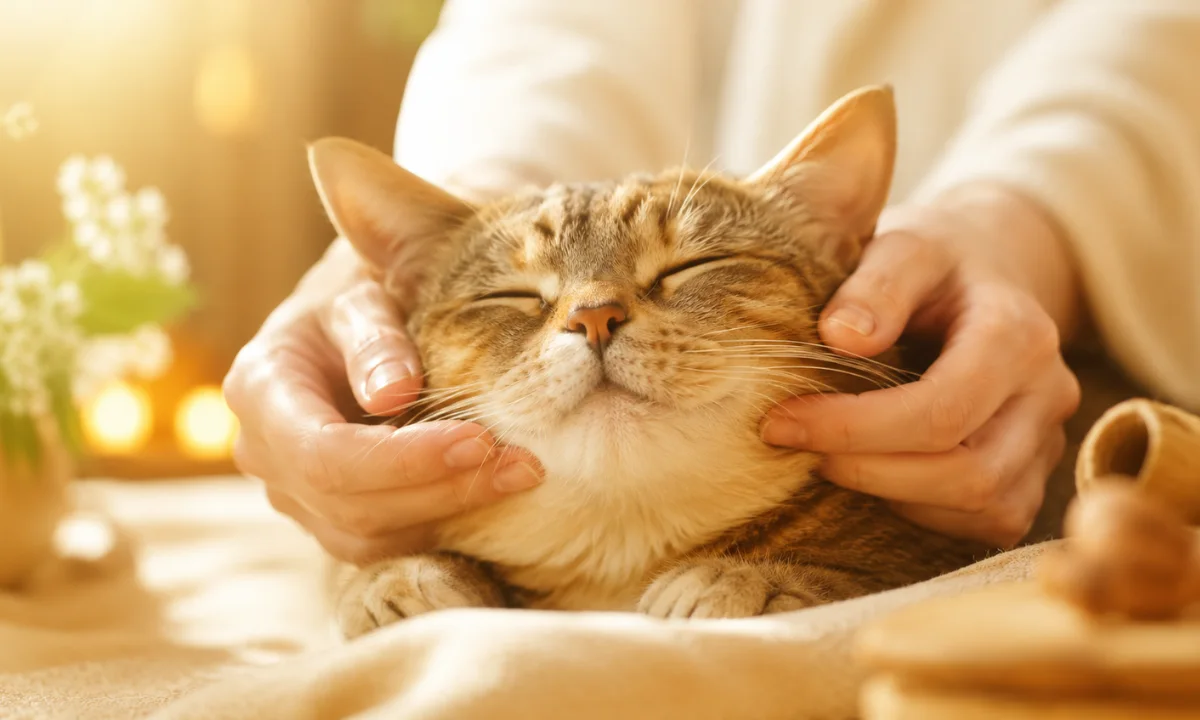

Your cat curls up, closes her eyes, and within seconds she’s completely out. It looks effortless. But for cats that are anxious, in pain, or just restless at night, deep sleep doesn’t always come that easily.
That’s where cat massage comes in. It’s a simple, hands-on practice that many pet owners are turning to as a natural treatment to help their cats relax, sleep better, and feel more at ease. And the good news is, you don’t need any special training to get started.
Cat massage is the act of using gentle, rhythmic touch to relieve tension in a cat’s muscles and calm the nervous system. It’s not the same as human massage therapy, but it works on similar principles. Regular sessions can reduce stress hormones, ease mild physical discomfort, and help a cat settle into a deeper, more restful sleep. It’s especially useful for cats that are seniors, recovering from illness, or prone to anxiety.
Why Cats Benefit from Massage
Cats are naturally good at hiding stress. You might not notice anything is wrong until your cat starts sleeping less, grooming excessively, or becoming withdrawn.
Touch is one of the most direct ways to reach a stressed or tense cat. When done correctly, massage can:
- Lower heart rate and breathing speed
- Relax tight muscles, especially around the neck and shoulders
- Stimulate circulation and lymphatic flow
- Improve the bond between you and your cat
- Help cats that suffer from sleep disruptions or nighttime restlessness
Cats that are massaged regularly often show calmer behavior throughout the day, not just at bedtime. It’s a low-effort routine with a real payoff.
The ASPCA highlights that chronic stress in cats can lead to serious health issues, including digestive problems, weakened immunity, and behavioral changes. Addressing stress early through gentle, consistent routines like massage can make a real difference in a cat’s overall health.
How to Give Your Cat a Relaxing Massage
You don’t need any tools or oils. Just your hands, a quiet space, and a cat that’s already feeling calm.
Set the Right Setting
Pick a time when your cat is relaxed, not hungry, and not mid-play. Early evening before bedtime works well. Dim the lights, reduce background noise, and let your cat settle into a comfortable spot first.
Basic Massage Techniques
Start slow. Always begin with light strokes before moving into any deeper pressure. Here’s a simple sequence to follow:
- Effleurage (long strokes): Run your palm slowly from the base of the neck down to the tail. This warms up the muscles and signals that touch is coming.
- Circular motions: Use your fingertips to make small circles along both sides of the spine. Never press directly on the spine itself.
- Ear and cheek rubs: Most cats love gentle pressure around the base of the ears and along the cheekbones. These areas are rich in scent glands and tend to be very responsive to touch.
- Paw holds: Gently hold each paw for a few seconds without squeezing. Some cats resist this at first, but it can become a soothing ritual with time.
Keep each session between 5 and 15 minutes. Stop if your cat shows any sign of discomfort, flicks her tail rapidly, or tries to move away. Always let the cat set the pace.
For a more structured approach to feline care routines, take a look at our guide on cat spa massage care which walks through professional-level techniques you can adapt at home.
The Connection Between Massage and Better Cat Sleep
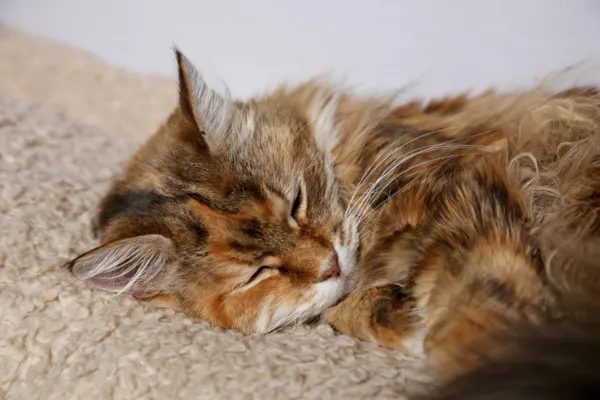
Cats sleep a lot, sometimes up to 16 hours a day. According to International Cat Care, a cat’s sleep patterns can vary based on age, health, and lifestyle. But not all sleep is equal. Light, interrupted sleep doesn’t give a cat the same recovery as deep, sustained rest.
Massage before bed helps trigger the body’s natural relaxation response. Muscle tension drops, cortisol levels ease, and the cat enters a calmer state that’s more conducive to deep sleep.
This is especially useful for:
- Senior cats with joint stiffness or arthritis-related discomfort
- Cats adjusting to a new home or routine
- Indoor-only cats with excess energy or anxiety
- Cats that vocalize or pace at night
National Geographic reports that cats are hardwired for deep, frequent sleep as part of their predatory biology. When that sleep is disrupted by stress or discomfort, it affects their energy, mood, and overall health. If your cat’s sleep patterns have changed noticeably, it’s worth checking in with a vet before assuming massage alone will solve the problem.
Signs the Massage Is Working
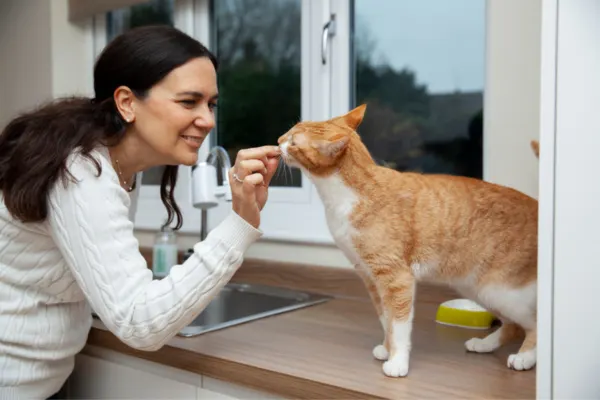
Cats are honest communicators. You’ll know a massage is helping when you see:
- Slow blinking or half-closed eyes
- Purring (a strong indicator of comfort and ease)
- A limp, relaxed body posture
- Kneading or “making biscuits”
- Falling asleep during or shortly after the session
Purring during a massage is usually a great sign. But purring can also happen when cats are stressed or in pain. Our article on why cats purr breaks down how to tell the difference.
When to Be Cautious
Massage isn’t right for every situation. Avoid massaging your cat if:
- She’s recently had surgery or has open wounds
- She cries out or flinches when touched in a specific area
- She has a known condition like bone fractures, skin infections, or tumors
- She seems unusually lethargic, not just relaxed
If you’re unsure about any physical symptoms, talk to your vet before starting a massage routine. It’s always better to get a professional opinion first.
For cats that need regular professional care and grooming, it’s also worth looking into coverage options. Our page on cat spa grooming insurance explains how some pet insurance plans can help offset the cost of wellness and grooming treatments.
Frequently Asked Questions
How often should I massage my cat?
Most cats do well with a short session 3 to 4 times a week. Daily massage is fine too, as long as your cat is willing. Let her response guide the frequency.
Can massage help my cat sleep through the night?
It can help, especially for cats that are restless or anxious at night. A pre-bedtime session helps lower stress and ease muscle tension, which makes it easier for your cat to settle into deeper sleep.
What if my cat doesn’t like being touched?
Start very slowly. Try brief, light strokes on areas your cat already tolerates, like the top of the head or behind the ears. Never force it. Over time, many cats that resist touch will warm up to gentle massage if it’s introduced gradually.
Is cat massage the same as physical therapy?
No. Home cat massage is a relaxation and bonding practice. Physical therapy or animal massage therapy for medical conditions should only be done by a trained professional or under vet guidance.
Can I use oils or lotions during the massage?
Avoid it. Many essential oils are toxic to cats, including lavender, tea tree, and eucalyptus. Stick to dry hands only. If you want to add a calming element, a warm room and a quiet environment are safer options.
Does purring mean my cat is enjoying the massage?
Usually yes, but not always. Purring during relaxed, loose body posture is a good sign. Purring combined with a tense body or flat ears may mean discomfort. Watch the whole body, not just the sound.
Final Thoughts
Cat massage is one of the simplest things you can do to improve your cat’s quality of rest and daily mood. It costs nothing, takes very little time, and the benefits go both ways. Many cat owners find it just as calming for themselves as it is for their pets.
Start with 5 minutes before bedtime. Use slow, light strokes. Let your cat lead. Over a few weeks, you’ll likely notice a calmer, more settled cat that sleeps more soundly and wakes up in a better mood.
And if your cat needs more than home care, whether that’s professional grooming, a medical check-up, or a proper spa treatment, there are options out there for every budget and lifestyle.
