





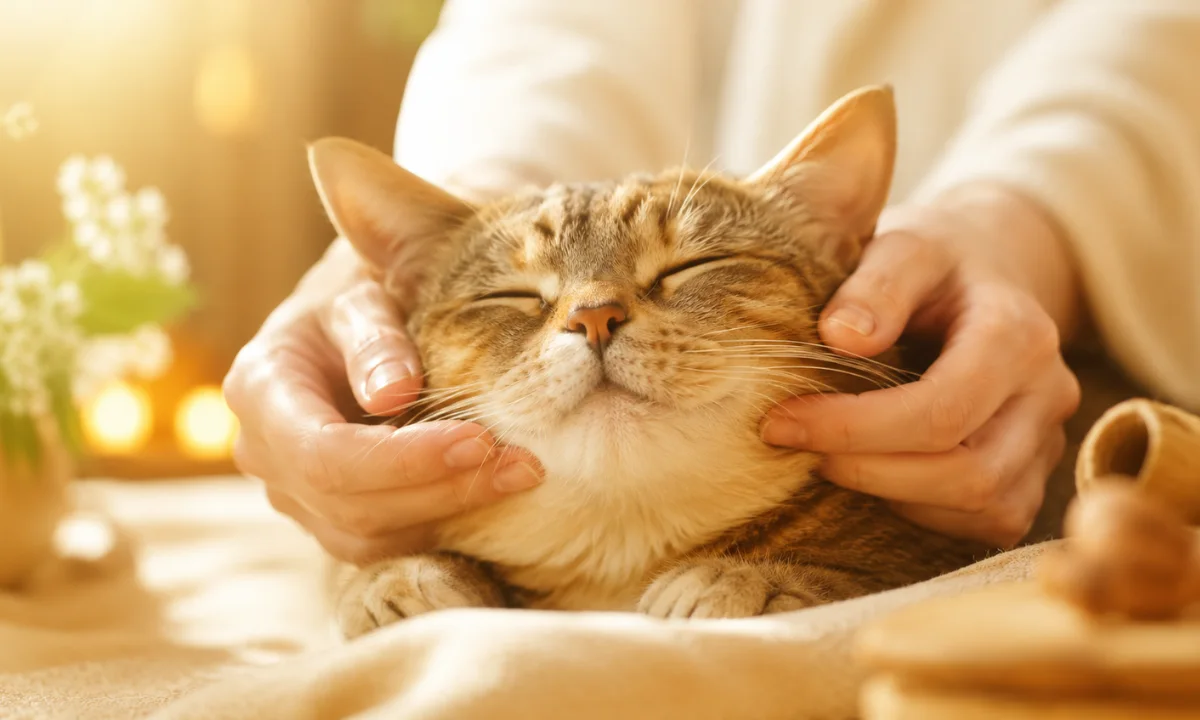

Cats might seem like self-sufficient creatures, but beneath all that grooming and napping is a body that holds tension, stress, and the subtle wear of daily life. More cat owners are discovering that intentional touch through massage and spa-style care can meaningfully improve their cat’s quality of life. It’s not about luxury. It’s about knowing your cat better and giving them the kind of care that keeps them comfortable, calm, and healthy for years.
Cat spa massage care refers to a set of gentle, hands-on wellness practices designed to support a cat’s physical and emotional health. These include therapeutic massage, coat conditioning, ear cleaning, paw care, and stress-reduction techniques. When done regularly and correctly, these treatments help reduce muscle tension, improve circulation, support lymphatic drainage, and deepen the bond between cat and owner. It’s an extension of everyday care, not a replacement for veterinary attention.
Why Cats Benefit from Massage and Spa Treatments
Cats carry stress in their bodies just as humans do. Indoor cats especially can develop tension from limited movement, environmental stressors, or underlying health conditions. Senior cats often deal with stiff joints and sore muscles that regular veterinary visits alone don’t address. Dogs get the same treatment on a different schedule, which we cover in dog spa treatments.
Massage works by stimulating blood flow and releasing muscle tightness. Over time, it can:
- Reduce anxiety in nervous or shy cats
- Ease discomfort in arthritic or aging cats
- Help detect unusual lumps, swelling, or skin changes early
- Improve coat quality through better circulation
- Strengthen the human-animal bond through consistent, calm touch
A cat that is regularly handled and touched is also easier to examine at the vet, a practical benefit that’s easy to overlook.
Core Elements of a Cat Spa Routine
A complete cat spa routine goes beyond a quick brush. It covers massage, coat care, paw health, and ear hygiene, each one supporting a different aspect of your cat’s overall wellness. Here is what each element involves and how to do it right.
Gentle Full-Body Massage
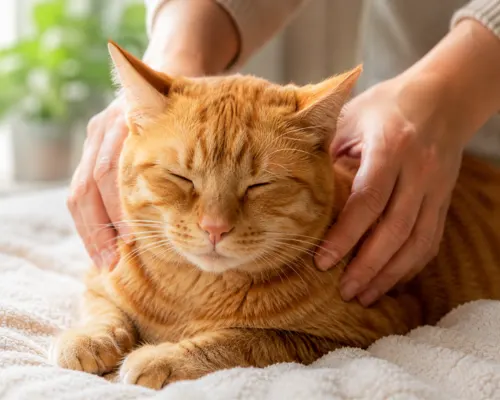
Start with slow, confident strokes along your cat’s back and sides. Cats respond well to steady pressure, not light tickling, which can feel irritating. Work from the neck toward the tail, then gently knead the shoulders and the base of the spine.
Avoid the belly unless your cat actively invites it. Focus on areas where cats tend to hold tension: the jaw, the base of the skull, and the upper back near the shoulder blades.
Keep sessions short, five to ten minutes is enough, especially when starting out. Watch your cat’s body language. Slow blinking, relaxed posture, and soft purring are signs they’re comfortable. Flicking tail or tensed muscles mean it’s time to stop.
Coat and Skin Care
Regular brushing is foundational. It removes dead fur, reduces hairballs, and distributes natural skin oils across the coat. Long-haired breeds may need daily brushing; short-haired cats usually do well with two to three sessions per week.
Some cats benefit from occasional moisturizing treatments for dry skin, particularly in low-humidity environments or during winter months. Always use products specifically formulated for cats, as human skincare products including many oils can be toxic.
Paw and Nail Care
Paw pads can dry and crack, especially on cats that spend time outdoors or on rough surfaces. A gentle paw massage with cat-safe balm keeps pads soft and supple.
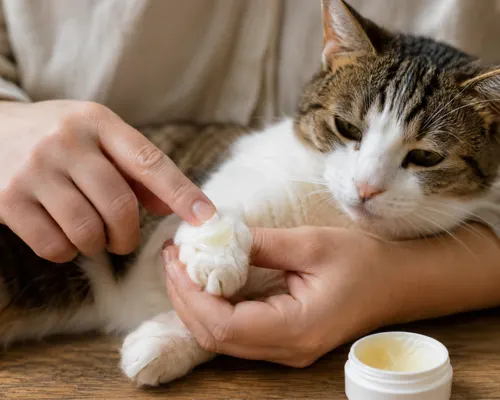
Nail trimming is an essential part of feline wellness. Overgrown nails can curl into the paw pad and cause pain or infection. Trim every two to four weeks using proper cat nail clippers, and reward calm behavior with a treat afterward.
Ear Cleaning
Healthy cat ears are pale pink, odor-free, and clean. A gentle wipe with a cotton ball and vet-approved ear solution every few weeks helps prevent wax buildup and early signs of infection.
Never insert anything into the ear canal. If you notice dark discharge, a strong odor, or your cat pawing at their ears, consult a veterinarian, as these are signs of infection or mites, not something a home spa routine can treat.
Creating a Calm Environment for Spa Sessions
The environment matters as much as the technique. Choose a quiet room free of loud noises and sudden movement. A warm, soft surface like a folded towel or a low table covered with a blanket puts most cats at ease.
Timing also matters. Attempt massage after a meal when your cat is naturally relaxed, or after play when they’re ready to wind down. Never force a session. Cats that associate spa care with positive, calm experiences will begin to seek it out on their own.
Soft instrumental music or white noise can help reduce ambient stress for sensitive cats. Some owners find that diluted lavender in a diffuser helps set a calming tone, though it’s wise to consult your vet before using any essential oils around cats, as many are harmful to felines.
Nutrition Supports What Massage Starts
Wellness isn’t just about touch. A cat’s coat condition, energy levels, and joint health are all connected to what they eat. Cats with nutritional gaps often show it through dull fur, low energy, or stiffness, all things spa care alone can’t fix.
Understanding your cat’s dietary needs at every life stage is essential. A well-balanced diet supports the same circulatory and skin health that massage helps maintain. For a detailed breakdown of what cats need at different ages, this cat feeding guide by age from Petnicki is a practical resource worth bookmarking.
When to Involve a Professional
Home massage and spa care are valuable, but they have limits. A certified animal massage therapist can address chronic pain, post-surgical recovery, or mobility issues in ways that casual home practice cannot.
If your cat has a chronic condition, ask your vet whether professional therapeutic massage might be appropriate alongside their regular treatment plan.
Frequently Asked Questions
How often should I massage my cat?
Three to four times per week is a reasonable goal for most cats. Even short five-minute sessions deliver benefits when done consistently.
My cat doesn’t like being touched. Can I still try massage?
Start with areas your cat already tolerates, usually the head, cheeks, and back of the neck. Build trust gradually over weeks before attempting more involved massage. Some cats warm up significantly with patient, low-pressure exposure.
Are there any cats who shouldn’t receive massage?
Yes. Cats with open wounds, active skin infections, recent surgery, or undiagnosed lumps should not be massaged without veterinary clearance. When in doubt, ask your vet first.
What’s the difference between grooming and cat massage?
Grooming focuses on coat maintenance, brushing, trimming, cleaning. Massage targets muscle tissue, circulation, and nervous system relaxation. Both are valuable and complement each other well.
Can massage help an anxious cat?
It can, yes. Consistent, gentle touch activates the parasympathetic nervous system, which promotes calm. It won’t replace behavioral therapy for severely anxious cats, but it’s a meaningful supportive tool.
Do cats actually enjoy spa-style treatments?
Many do, particularly when introduced slowly and on their terms. Cats that are regularly handled from a young age tend to be more receptive. Older cats can also learn to enjoy it, patience is the key. If you are unsure when your cat counts as older, the cat years to human years chart has the age bands.
Closing Thoughts
Cat spa massage care isn’t a trend, it’s a logical extension of attentive ownership. When you take the time to learn how your cat holds their body, where they carry tension, and what kind of touch they respond to, you become a better caregiver. You also catch health changes earlier, reduce anxiety in your pet, and build a calmer relationship overall.
The treatments don’t need to be elaborate. Consistent, gentle, informed touch paired with good nutrition and regular veterinary care is what genuinely supports a happier, healthier cat.
