





Most cat owners focus on feeding, litter box hygiene, and annual vet visits. That’s a solid foundation. But the world of feline wellness has expanded significantly. From professional grooming sessions to therapeutic massage and coat conditioning treatments, cats are now receiving the kind of dedicated care that was once reserved for show animals. And with that shift comes an important question: does your pet insurance actually cover any of it?
Cat spa and grooming care is not just about aesthetics. It is a legitimate part of keeping a cat healthy, comfortable, and stress-free, especially for long-haired breeds, senior cats, and those with skin or mobility conditions. Not sure when a cat counts as senior? The cat age chart lays out the life stages.
What Is Cat Spa and Grooming Wellness Care?
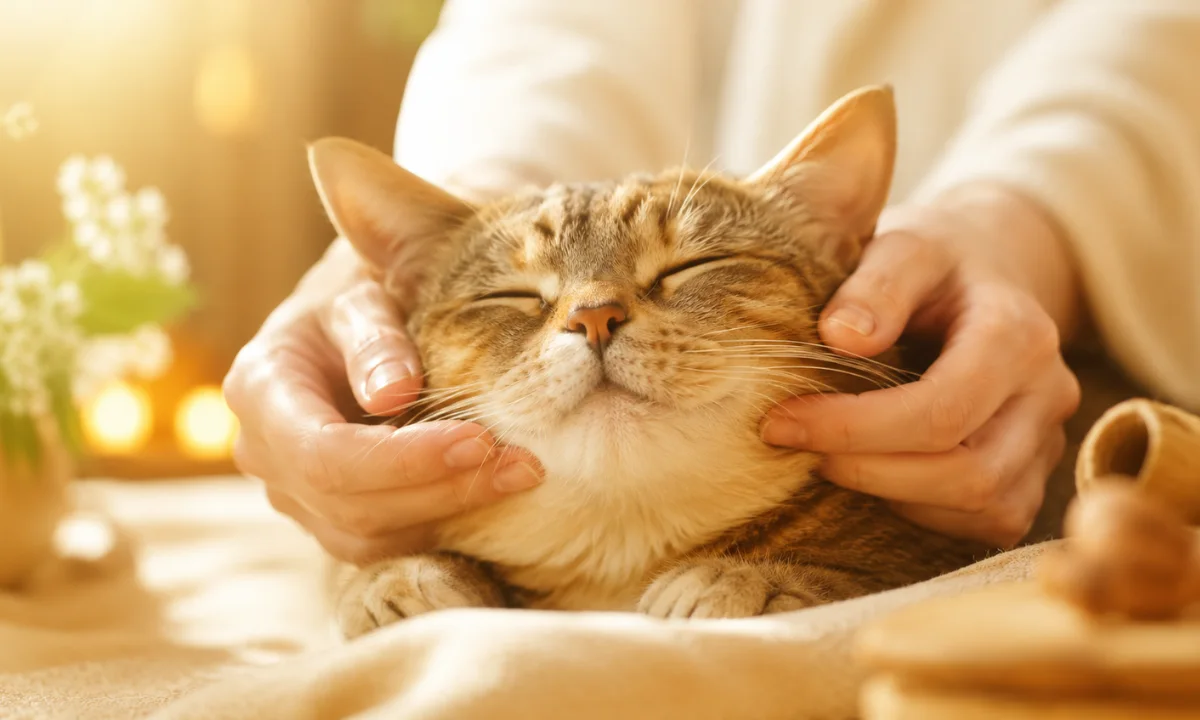
Cat grooming and spa care refers to a range of professional services designed to maintain a cat’s physical health and comfort beyond routine home brushing. This includes professional bathing, blow-drying, dematting, nail trimming, ear cleaning, anal gland expression, and therapeutic treatments like massage, aromatherapy, and hydrotherapy. These services are typically provided by certified feline groomers or veterinary wellness clinics. While some cats tolerate grooming easily, others require sedation-free calming techniques that trained professionals are equipped to handle.
Why Cats Actually Benefit from Professional Grooming
Cats are known for self-grooming, but that does not mean they never need help. Several situations make professional grooming not just helpful but necessary:
- Long or double coats (Maine Coon, Persian, Ragdoll) that mat faster than a cat can maintain
- Arthritis or obesity that limits a cat’s ability to reach certain areas
- Skin conditions like seborrhea, ringworm, or flea allergies requiring medicated baths
- Senior cats that lose grooming efficiency as they age
- Post-surgical recovery that requires keeping wounds clean and coat manageable
Regular grooming also allows professionals to spot early signs of skin infections, lumps, parasites, or dental issues. A spa session can quietly double as a wellness check.
Does Pet Insurance Cover Cat Grooming and Spa Treatments?
Most standard pet insurance policies do not cover routine grooming as a standalone service. It falls under general maintenance rather than medical necessity. However, coverage becomes possible under specific circumstances.
When Grooming May Be Covered
- Medicated baths prescribed by a vet for a diagnosed skin condition
- Dematting under sedation when mats are severe enough to cause pain or skin damage
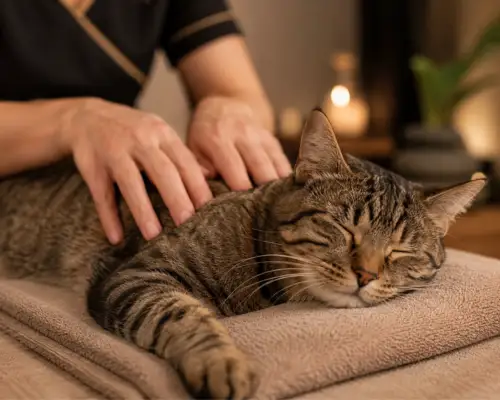
- Therapeutic massage included in a rehabilitation plan for a cat recovering from surgery or injury
- Hydrotherapy as part of post-orthopedic treatment
The key phrase here is medical necessity. If a vet documents that a grooming-related treatment is part of a treatment plan, many comprehensive policies, especially those with wellness riders, will partially reimburse those costs.
What Wellness Plans Typically Cover
Some insurers offer separate wellness add-ons that include a fixed annual allowance for preventive and maintenance care. These might cover:
- Annual grooming visits (up to a capped amount)
- Nail trims at veterinary offices
- Dental cleanings
- Flea and parasite prevention
If you are evaluating a policy, look specifically for terms like preventive care rider, wellness plan, or routine care coverage, not just the base accident and illness plan.
Choosing the Right Insurance Plan for a Grooming-Focused Cat
If spa and grooming services are a regular part of your cat’s routine, here is what to prioritize when comparing pet insurance options.
1. Wellness Add-Ons Confirm whether the insurer offers a separate wellness plan and what it explicitly includes. Some providers cap grooming at $50 to $75 per year. Others bundle it within a broader $200 to $300 annual preventive care allowance.
2. Reimbursement Model Some plans reimburse a percentage of the actual bill. Others pay a set benefit amount. For higher-end grooming services, actual-cost reimbursement tends to be more valuable.
3. Pre-Existing Condition Clauses If your cat has a skin condition or chronic coat issue that makes grooming medically necessary, check whether the plan covers conditions that existed before enrollment.
4. Vet vs. Non-Vet Grooming Coverage Most plans that cover grooming require it to be performed at or prescribed by a licensed veterinary practice. Independent grooming salons, even very professional ones, may not qualify.
For a deeper look at what a full feline wellness experience involves, from calming techniques to coat care routines, the cat spa massage and wellness guide at Petnicki breaks it down clearly.
What Cat Breeds Benefit Most from Spa Services
Certain breeds have coats or temperaments that make professional grooming a near-requirement rather than a luxury.
| Breed | Common Grooming Need |
|---|---|
| Persian | Daily brushing, frequent professional dematting |
| Maine Coon | Seasonal deshedding, tangle prevention |
| Sphynx | Skin fold cleaning, weekly baths |
| Scottish Fold | Ear cleaning, gentle coat maintenance |
| Birman | Silky coat needs regular conditioning treatments |
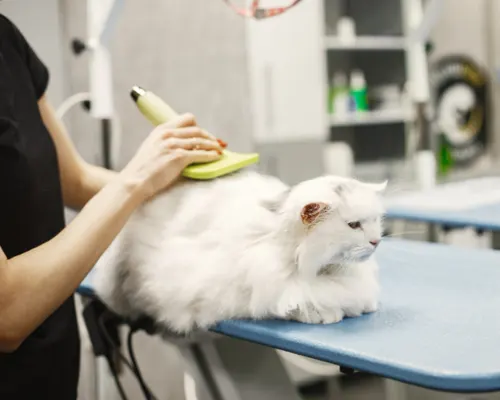
Cornell University’s College of Veterinary Medicine notes that older and long-haired cats especially benefit from regular professional grooming, as brushing removes loose hairs and supports healthy coat circulation. Their guide on caring for older cats covers grooming as a key part of feline wellness at every life stage.
The Role of Massage and Therapeutic Treatments
Therapeutic massage for cats is increasingly used in veterinary rehabilitation settings to support real recovery outcomes. Certified practitioners use it to:
- Reduce muscle tension after orthopedic surgery
- Improve circulation in older or sedentary cats
- Lower anxiety in cats with stress-related conditions
- Support lymphatic drainage in cats recovering from illness
When performed by a certified animal massage therapist or veterinary rehabilitation specialist, these sessions can sometimes be included in a broader wellness or rehabilitation insurance claim. Always get documentation from your vet linking the massage to a medical condition or recovery plan.
Frequently Asked Questions
Does basic pet insurance cover grooming?
No. Standard accident and illness policies do not cover routine grooming. You need a wellness rider or preventive care add-on for any grooming-related reimbursement.
Can I claim a medicated bath on pet insurance?
Yes, if a licensed vet prescribes the medicated bath as part of a treatment plan for a diagnosed skin condition, it may qualify under accident and illness coverage or a wellness plan. Always keep the prescription and receipt.
Is cat massage covered by insurance?
Only when it is prescribed as part of a veterinary rehabilitation plan, not as a standalone wellness service from an independent provider.
How often do cats need professional grooming?
It depends on the breed and coat type. Short-haired cats may need professional grooming once or twice a year. Long-haired breeds often benefit from monthly appointments to prevent matting.
Are Sphynx cats more expensive to insure because of grooming needs?
Not necessarily based on grooming alone, but insurers may factor breed-specific health risks into premiums. Sphynx cats are prone to certain cardiac and skin conditions, which can affect overall policy cost.
What is the average cost of cat grooming, and is it worth insuring?
A basic professional grooming session ranges from $50 to $150. For cats requiring frequent or specialized grooming, a wellness add-on that reimburses even $100 to $200 annually can offset costs meaningfully over time.
Conclusion
Cat grooming and spa wellness care has moved well beyond basic brushing. It is now a legitimate part of feline health maintenance for many breeds and life stages. While standard pet insurance policies will not cover routine grooming, the right wellness plan or preventive care rider can make a real difference for cats that need regular professional attention. If you have a long-haired breed, a senior cat, or a feline with a chronic skin or mobility condition, it is worth reviewing your current policy closely and asking your insurer specifically about grooming-related coverage. Knowing what your plan includes before you need it is the simplest way to make sure your cat’s care never comes with a financial surprise.
