

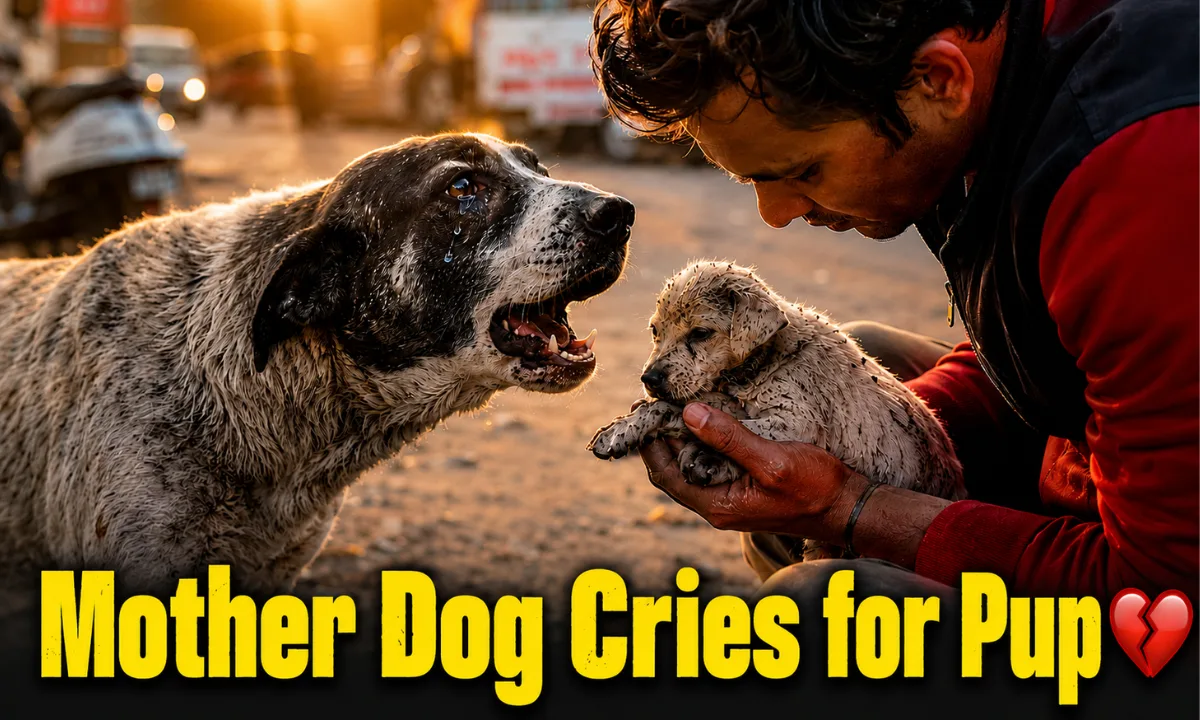




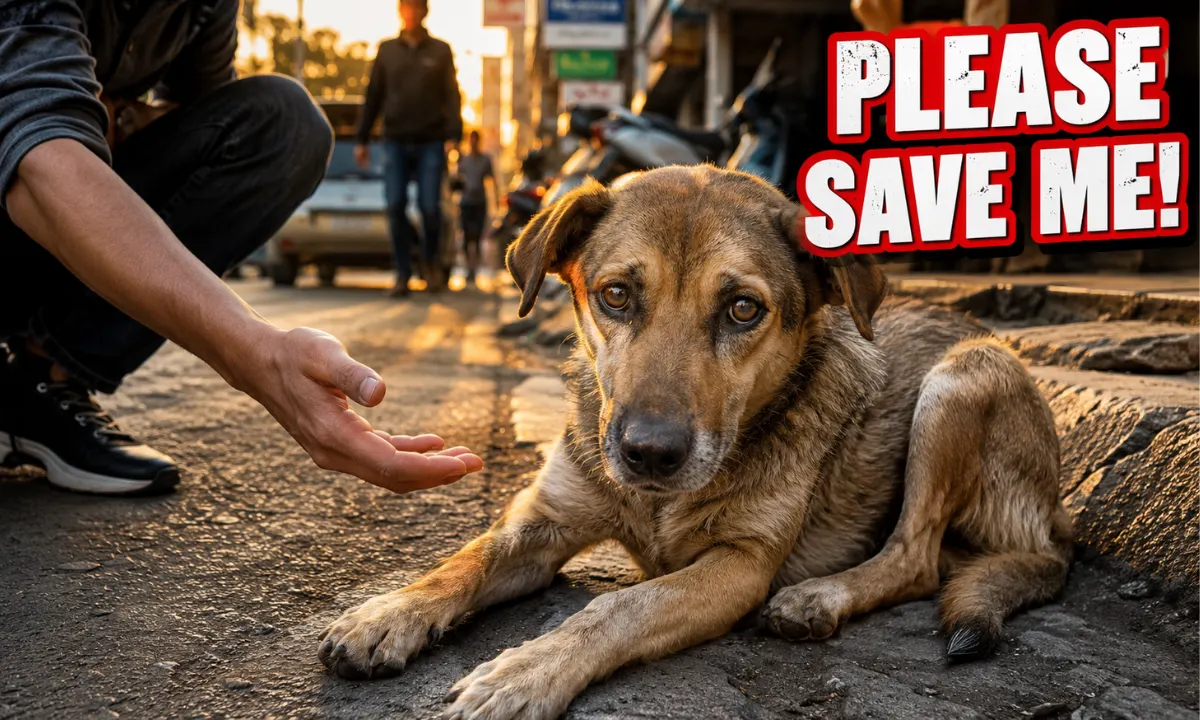
Some dogs show up at a shelter looking like they’ve given up. Matted fur, ribs showing, eyes that won’t quite meet yours. Then someone steps in, and the whole picture shifts.
This is the story of one rescue dog whose innocent face became the reason strangers reached into their wallets. Her recovery wasn’t luck. It came from donations, a dedicated rescue team, and medical treatment that costs more than most people expect.
When people talk about donations changing a rescue dog’s life, they mean something specific. A stray or surrendered dog often needs care a shelter can’t cover on its own. Donations close that gap. They pay for bloodwork, surgery, medication, and the weeks of recovery that follow. Without that funding, dogs in rough shape rarely make it to adoption day.
How She Ended Up Needing Help
Dogs like her usually arrive at a shelter or rescue group in one of two ways. They’re found as strays, or they’re surrendered by an owner who can’t keep up with their care.
Either way, the signs of neglect tend to look similar:
- Severe weight loss or visible ribs and hip bones
- Untreated wounds, sores, or skin infections
- Matted, dirty fur hiding injuries underneath
- Dehydration and low energy
- Fear or flinching around people
A dog in this state needs more than a warm bed. She needs a vet, fast.
Rescuers often say the finding is the easy part. The hard part comes next: stabilizing her, figuring out what’s wrong, and paying for all of it before her condition gets worse.
Emergency Treatment Saved Her
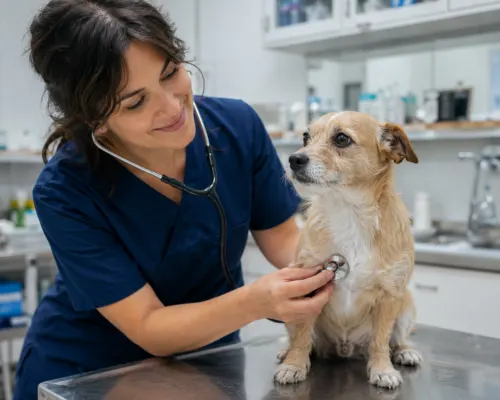
When a dog comes in with open wounds or infection, timing matters. A vet team has to clean the area, check for deeper damage, and start antibiotics before things get worse.
If you’re caring for a dog with a fresh injury, this guide on emergency wound care for dogs walks through what proper first response looks like.
For a dog found in poor condition, treatment usually includes:
- A full physical exam and bloodwork
- Wound cleaning and bandaging
- Pain management
- Parasite and infection testing
- A nutrition plan to rebuild lost weight
None of this is cheap. A single emergency visit can run into hundreds of dollars before any follow-up care even starts.
Why the Costs Add Up Fast
Treatment for a neglected or injured dog isn’t a one-time expense. It’s a series of visits.
Diagnostic tests come first. Then, if surgery is needed, that’s a separate cost. After surgery, the dog needs follow-up checks, medication refills, and sometimes physical rehab. Each step adds to the bill.
This is exactly where rescue groups lean on the public for help.
How Donations Made Her Recovery Possible
A rescue with limited funds can’t always say yes to every dog that needs treatment. Donations change that math.
When someone donates to a rescue, that money often goes straight toward vet bills for a specific dog. Some groups even let people sponsor one animal’s treatment from start to finish, so donors can watch the dog they funded get better.
Organizations like We Are The Cure show how this works in practice. Public donations fund real medical treatment for animals who would otherwise be turned away.
For this dog, donations covered her wound care, her bloodwork, and the weeks of monitoring that followed. Strangers who saw her photo online decided her story was worth the cost of her care.
That’s the part people don’t always see. A donation isn’t just a number on a page. It’s a bag of fluids, a round of antibiotics, or a night of monitoring that keeps a dog alive long enough to heal.
From Critical Condition to Full Recovery
Healing takes time. A dog that arrives malnourished and injured doesn’t bounce back overnight.
The first few days usually focus on stabilizing the dog. Fluids, pain control, and rest come before anything else. Once a dog is stable, the rescue team shifts to longer-term recovery: weight gain, wound healing, and rebuilding trust in people.
If you want to understand what a faster recovery timeline can look like with the right care, this article on how emergency treatment helps dogs heal fast breaks down the stages involved.
Within a few weeks, most dogs in this situation start to show real change:
- Steadier weight gain
- Wounds closing and fur growing back
- More energy and curiosity
- Less flinching, more tail wags
By the time she was ready for adoption, she looked like a different dog. Not because of magic, but because someone paid for the care she needed.
A Second Chance Many Dogs Need
This story isn’t rare. Plenty of dogs, including very young puppies, end up in the same situation. Abandoned, hurt, and in need of fast medical help before they can even be considered for adoption.
If you’re looking into how rescues handle these cases from the very start, this piece on abandoned puppy rescue and emergency treatment covers what that early intervention usually involves.
Every dog’s situation is a little different, but the pattern repeats: find the dog, stabilize the dog, treat the dog, then find the dog a home.
What This Story Teaches About Helping Rescue Dogs
Adoption and donation are two sides of the same coin. One pays for the care. The other gives the dog a place to land once she’s healed.
Stories like the one shared in Susan and Buddy’s adoption journey show how this connection works both ways. The dog gets a home. The person gets something back too.
Neither side of that exchange happens without the medical work that comes first. A dog can’t be adopted out healthy until someone has paid to make her healthy. That’s the quiet link between every donation and every adoption story that follows it.
How You Can Help
You don’t need to adopt to make a difference. There are smaller ways to support dogs going through the same thing.
- Donate to a rescue or shelter you trust
- Ask if you can sponsor one dog’s treatment
- Share a rescue dog’s story so more people see it
- Foster a recovering dog while she heals
- Volunteer at a local shelter or transport group
Even a small donation adds up when enough people give.
Frequently Asked Questions
How do donations help rescue dogs get treatment?
Donations cover vet bills the rescue can’t pay alone, including exams, surgery, medication, and follow-up care. Many groups apply donated funds directly to a specific dog’s treatment plan.
What kind of medical care do rescued dogs often need?
It depends on the dog, but common needs include wound care, parasite treatment, vaccinations, dental work, and nutrition support for dogs that are underweight.
How can I tell if a rescue charity uses donations responsibly?
Look for clear updates on the dogs they help, transparent spending information, and a willingness to answer questions about where donations go.
Can I sponsor a specific dog’s treatment?
Many rescues offer this option. Ask directly if you can fund one dog’s care from intake through recovery.
What should I do if I find an injured stray dog?
Keep your distance if the dog seems scared, and call a local shelter, rescue group, or animal control for help. Avoid handling a wound yourself unless you’re trained to do it safely.
How long does it take for a rescue dog to recover from neglect?
Physical healing can take a few weeks. Emotional recovery, especially trust in people, often takes longer and depends on the individual dog.
If you ever notice signs of illness or injury in your own dog, talk to your vet before starting any treatment at home.
The Takeaway
This dog’s story didn’t change because of one dramatic moment. It changed because people decided to donate, a rescue team acted fast, and proper treatment was available when she needed it most.
Her innocent face is what got people to look. Donations are what got her better. Together, they gave her the second chance every dog like her deserves.
