
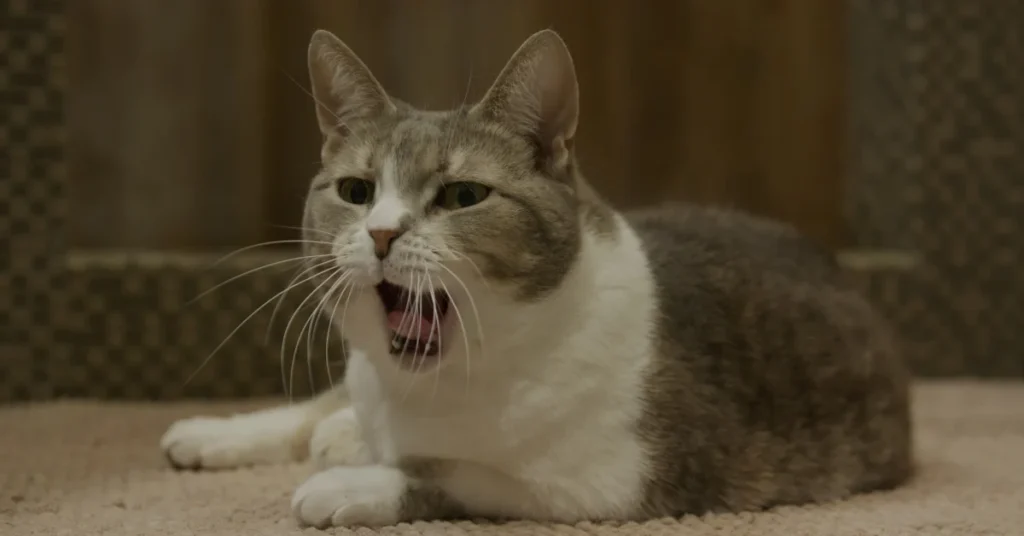

Cats are not like dogs. They do not pant to cool down after a walk or breathe heavily just because they are excited. When a cat breathes fast or works visibly hard to take in air, something is almost always wrong. The question is whether it is minor and temporary, or serious enough to need a vet right now.
This article covers what normal cat breathing looks like, what causes heavy or rapid breathing, which signs are genuine emergencies, and exactly what to do when you notice something is off.
What Normal Cat Breathing Looks Like
A healthy adult cat at rest breathes between 20 and 30 times per minute. One complete inhale and exhale together count as one breath.
To count your cat’s breathing rate, watch the rise and fall of their chest or belly for 30 seconds and multiply by two. A sleeping cat may breathe slightly slower, around 15 to 20 times per minute. Brief increases after play or in hot weather are normal and usually settle within a few minutes.
What is not normal is fast, labored, or noisy breathing while your cat is resting calmly. If that is what you are seeing, keep reading.
What Heavy Breathing in Cats Looks Like
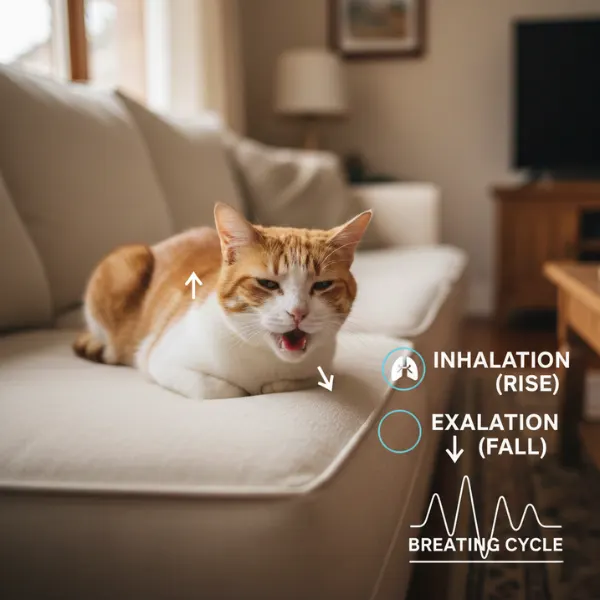
Heavy breathing is not one single thing. It shows up in different ways and each pattern points to a different underlying issue.
Tachypnea is rapid, shallow breathing above 40 breaths per minute while at rest. The sides move quickly but the breaths look small and insufficient.
Dyspnea is labored or difficult breathing. A cat with dyspnea may stretch their neck out, breathe with their mouth open, or use their belly muscles to push air in and out. Their body is working hard for every breath.
Open-mouth breathing or panting in a cat is almost always abnormal. If it lasts more than a couple of minutes outside of very intense play, treat it as a warning sign.
Noisy breathing like wheezing, crackling, or a rattling sound can point to fluid in the lungs, feline asthma, or a partial blockage in the airway.
Common Causes of Heavy Breathing in Cats
Heavy breathing in cats has many possible causes. Some are minor. Others need urgent care.
Stress and Anxiety
Stress is one of the most frequent triggers of rapid breathing in cats. Car rides, vet visits, a new pet in the house, or sudden loud noises can all push a cat’s breathing rate up significantly. In most cases it settles once the stressor is gone.
Respiratory Infections
Upper respiratory infections block nasal passages and force cats to breathe through their mouth. Infected cats may also sneeze frequently, have discharge from the eyes or nose, and seem lethargic. Mild infections are treatable with veterinary care, but left unmanaged they can progress into pneumonia.
If your cat has been sneezing alongside the breathing changes, read our article on why your cat keeps sneezing to understand what the combination of symptoms can mean.
Feline Asthma
Feline asthma affects between 1 and 5 percent of cats and causes sudden episodes of wheezing, coughing, and labored breathing. Common triggers include cigarette smoke, scented candles, dusty litter, and household cleaning products. Cornell University’s College of Veterinary Medicine has a detailed breakdown of feline asthma symptoms, triggers, and treatment options that is worth reading if asthma is suspected.
Heart Disease
Heart disease is particularly common in older cats and certain breeds including Maine Coons, Ragdolls, and British Shorthairs. The most frequently diagnosed feline heart condition is hypertrophic cardiomyopathy, where the heart muscle thickens and pumps blood inefficiently. If you are shopping for one of the affected breeds, our Maine Coon buying guide covers the health screening a responsible breeder should be able to show you. When the heart is not working properly, fluid builds up in or around the lungs, making breathing difficult and labored. Cornell’s Feline Health Center covers hypertrophic cardiomyopathy in cats in detail, including which breeds carry the highest risk.
Pain
Cats in pain breathe faster. This can come from urinary blockages, internal injuries, severe dental disease, or digestive problems. Because cats hide pain extremely well, rapid breathing is sometimes the only visible clue that something is wrong.
Heat Stroke
Cats can overheat when left in a hot car, a poorly ventilated room, or outside in direct sun during a heat wave. Signs include panting, drooling, and rapid breathing. Heat stroke in cats can become fatal quickly and is a medical emergency.
Anemia
When blood cannot carry enough oxygen, the body tries to compensate by breathing faster. Anemia in cats can be caused by parasites, blood loss, or chronic illness. Pale, white, or greyish gums alongside heavy breathing are a key warning sign.
Emergency Warning Signs: Act Immediately
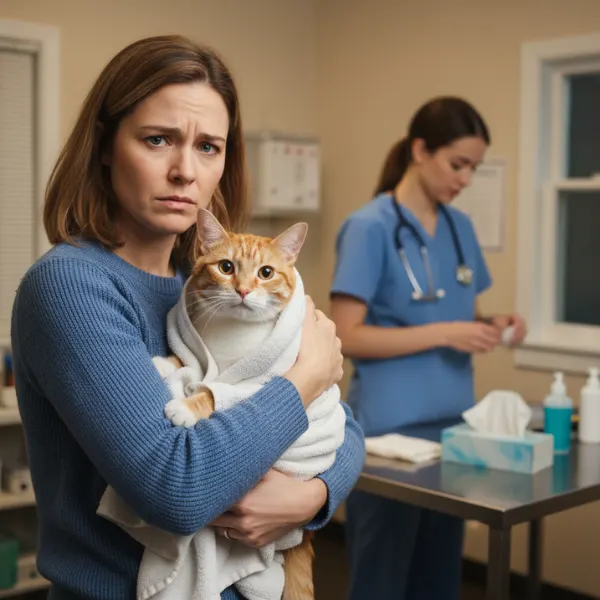
Some breathing problems are life-threatening. Do not wait to see if these symptoms improve on their own:
- Open-mouth breathing while at rest
- Blue, grey, or white gums or tongue
- Breathing rate above 60 breaths per minute
- Neck stretched forward with elbows pointing away from the body
- Gasping or choking sounds
- Collapse or inability to stand
- Extreme weakness combined with any breathing change
If your cat shows any of these signs, call your nearest emergency vet clinic right now. Have someone else drive while you keep the cat calm in a carrier.
What to Do When Your Cat Is Breathing Heavily
Stay calm. Your cat picks up on your emotional state and panic makes their breathing worse. Then work through these steps.
Count the breaths. Watch the chest or belly for 30 seconds and multiply by two. Write it down.
Look for other symptoms. Check gum color, posture, whether your cat is alert or unresponsive, and if there are any sounds with each breath.
Record a short video. Breathing problems can resolve before you reach the vet. A video helps your vet see exactly what was happening and often leads to faster, more accurate diagnosis.
Reduce environmental stress. Move other pets away, lower noise levels, dim the lights if possible, and give your cat a quiet familiar space to settle.
Call your vet or emergency clinic. If breathing is labored, any emergency signs are present, or breathing does not return to normal within 10 minutes, call right away.
How to Monitor Your Cat’s Breathing at Home
Regular monitoring gives you a baseline so you can recognize changes early:
- Count and record your cat’s resting breathing rate once a week
- Note any environmental triggers like new cleaning products, smoke, or stressful events
- Track when breathing episodes happen and how long they last
- Record any abnormal episodes on your phone
Cats with diagnosed conditions like asthma or heart disease should have their breathing rate checked every morning before they get up and move around.
Prevention: Reducing the Risk of Breathing Problems

You cannot prevent every health problem, but these steps meaningfully reduce risk:
- Keep your home free of cigarette smoke, strong perfumes, scented candles, and dusty litter
- Use a HEPA air filter to reduce airborne allergens
- Keep your cat at a healthy weight since excess weight puts strain on the heart and lungs
- Schedule annual vet checkups and twice-yearly visits for cats over seven
- Stay current on vaccinations to prevent respiratory infections
- Feed an age-appropriate, balanced diet that supports heart, lung, and immune health
If fleas are a concern in your household, treating them promptly matters for overall health too. Our guide on getting rid of fleas on cats covers everything from safe treatments to preventing reinfestation.
Frequently Asked Questions
Why is my cat breathing fast while sleeping?
Brief rapid breathing during deep REM sleep is normal and usually lasts only a few seconds. If fast breathing is consistent throughout sleep or happens regularly at rest, count the rate. Contact your vet if it stays above 30 breaths per minute.
Is heavy breathing in cats always an emergency?
Not always. Mild, temporary fast breathing after play or stress is normal and should resolve within minutes. Heavy breathing at rest, open-mouth breathing, or any of the emergency signs listed above should be treated as urgent.
What does open-mouth breathing in a cat mean?
It almost always signals distress. Cats do not pant to regulate temperature the way dogs do. Open-mouth breathing at rest means your cat is struggling to get enough air and needs veterinary attention right away.
Can anxiety cause heavy breathing in cats?
Yes. Stress and anxiety trigger rapid, shallow breathing. It usually resolves once the trigger is removed. If your cat is frequently anxious, speak with your vet about long-term management options including environmental changes and possible medication.
How do I know if my cat is breathing too fast?
Count breaths for 30 seconds at rest and multiply by two. More than 30 breaths per minute consistently is worth monitoring. More than 40 at rest warrants a call to your vet.
Can a poor diet contribute to breathing problems?
Indirectly, yes. Poor diet leads to obesity which puts extra strain on the heart and lungs. It also weakens immune function, making cats more vulnerable to respiratory infections. Our article on why your cat is throwing up food touches on how digestive health and overall wellbeing are closely connected.
Should I give my cat water if they are breathing fast?
Do not force water during respiratory distress. Focus on keeping your cat calm and getting to a vet. If heat is the suspected cause and your cat is alert and stable, move them somewhere cool and let them drink on their own terms.
Final Thoughts
Heavy breathing in a cat is not something to check on later. It can be as minor as stress from a car ride, or it can be the first visible sign of something like heart disease, fluid in the lungs, or a severe infection. The difference between a good outcome and a serious one often comes down to how quickly you act.
Know your cat’s normal breathing rate. Learn the emergency signs. Check in regularly, especially as your cat gets older. And when something does not seem right, call your vet. A quick call costs nothing. Waiting too long can cost everything.