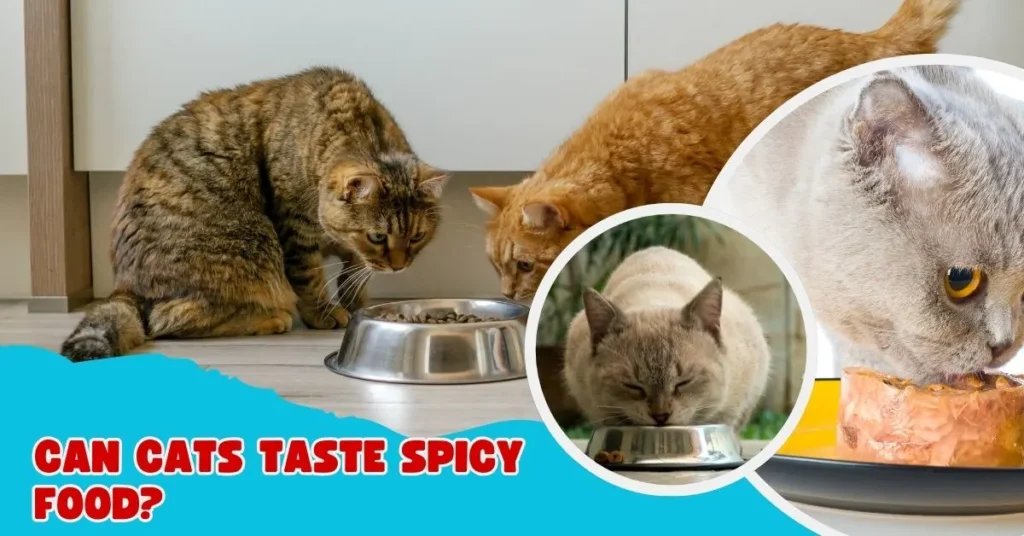


Cats cannot taste sweetness. They are the best-known example of a mammal that lost the ability entirely, because the gene that builds one half of the sweet receptor is broken in every cat studied, from house cats to tigers. Sugar registers as nothing at all: not bland, not unpleasant, simply absent.
That single missing receptor explains a surprising amount about how cats eat, what they beg for, and why the treat you think is irresistible gets a blank stare.
The Broken Gene
A working sweet receptor needs two proteins, built by the genes Tas1r2 and Tas1r3. Cats have a functional Tas1r3 and a Tas1r2 that stopped working long ago; the sequence is still in the genome but carries deletions that prevent it from producing a usable protein, making it what geneticists call a pseudogene.
The finding came out of a 2005 study in PLOS Genetics, which traced cats’ documented indifference to sugar directly to that pseudogene. The same defect turned up across the cat family, which dates the loss to a shared ancestor rather than to domestication.
The evolutionary logic is tidy. Sweetness evolved as a signal for carbohydrate energy in fruit and plants, and an obligate carnivore that gets everything it needs from meat has no use for that signal; a sense nobody uses tends to decay, and in the cat lineage it did exactly that, leaving behind a stretch of genetic code that reads like an instruction manual for a machine the animal no longer owns.
How Many Taste Buds Does a Cat Have?
A cat has roughly 470 taste buds, against about 1,700 in a dog and around 9,000 in a human, which makes the feline palate one of the least sensitive among common household mammals.
A cat’s palate is not built for nuance. It is built for a narrow set of decisions about whether a piece of meat is fresh enough to be worth eating, and for that job a few hundred well-placed receptors are plenty; the richness we get from food is a luxury of omnivores who need to evaluate a far wider range of things before swallowing them.
The buds sit mostly on the tip, sides, and back of the tongue, and not on the rough middle; those backward-facing barbs a cat drags across your hand are papillae built for grooming and stripping meat from bone, and they do no tasting at all.
What Cats Can Taste
- Bitter: the sharpest of the four, and the reason liquid medication ends in foam and betrayal. Bitter detection protects carnivores from spoiled tissue and toxic plants.
- Sour: well developed, and useful for judging whether meat has turned.
- Salty: present but muted, since a meat diet supplies sodium without the animal needing to seek it.
- Umami: the savory taste of amino acids, and the one cats care about most. This is the flavor of meat, and it drives feline appetite the way sweetness drives ours.
Cats also detect specific nucleotides, compounds found in fresh animal tissue that break down as meat ages. In practical terms a cat can taste freshness, which is a stranger and more useful ability than tasting sugar.
Then Why Does My Cat Lick Ice Cream?
Because of the fat and the dairy protein, never the sugar. Cats chasing ice cream, whipped cream, frosting, or yogurt are responding to the rich, greasy mouthfeel, and mouthfeel is texture rather than taste. The same cat will ignore a sugar cube completely.
Owners misread this constantly. A cat that appears to love dessert is not proving it has a sweet tooth. It is proving that cream is animal fat.
Smell Does Most of the Work
With so few taste buds, cats lean on their nose, which carries roughly 200 million scent receptors against a human’s 5 million. A cat evaluates food by smell first and decides whether to eat before its tongue is involved.
This is why a cat with a blocked nose stops eating, why warming refrigerated food often restarts a picky eater, and why an unwell cat that cannot smell through congestion will refuse meals it normally loves. Appetite in cats is a nose problem far more often than a taste problem.
Sweet Foods That Still Hurt Cats
Not tasting sugar does not make sugary food safe, because cats will eat things for texture and smell that their tongue never evaluated.
Chocolate is the clear danger: theobromine is toxic to cats, and dark chocolate carries the most. The ASPCA’s people-foods list also flags grapes and raisins, common in sweet baking. Xylitol, the sweetener that causes dangerous blood-sugar crashes in dogs, is far less studied in cats, which is an argument for keeping it away rather than a reassurance.
Plain sugar itself is not acutely toxic. It is just empty calories in an animal that gains weight easily and metabolizes carbohydrates poorly, which makes routine sweet treats a slow problem rather than a fast one.
Taste, Aging, and the Picky Cat
Both taste and smell dull with age, and a senior cat that has grown fussy is often experiencing weaker signals rather than developing an attitude. Dental disease, which is common in older cats, adds pain to the equation and changes food preferences fast.
Practical responses: warm the food slightly to release aroma, switch to stronger-smelling wet food, and get the teeth checked before assuming the problem is stubbornness.
A sudden change in what a cat will eat is worth a vet visit, not a new flavor.
FAQ: Cat Taste
Can cats taste sweet things at all?
No. Cats lack a functional sweet receptor because the Tas1r2 gene is a pseudogene, a defect shared across the entire cat family. Sugar produces no taste sensation for them whatsoever.
Do cats have taste buds?
Yes, about 470 of them, compared with roughly 1,700 in dogs and 9,000 in humans. They are concentrated at the tip, sides, and back of the tongue, and they detect bitter, sour, salty, and umami.
What flavors can cats actually detect?
Bitter, sour, salty, and umami, plus nucleotides that signal how fresh meat is. Umami matters most, which is why savory meat flavors drive feline appetite while sweet and starchy foods do nothing.
Why is my cat such a picky eater?
Usually smell rather than taste, since cats evaluate food with roughly 200 million scent receptors and only 470 taste buds. Congestion, cold food, dental pain, and age-related decline all suppress appetite before flavor is ever the issue.