


Seeing your dog shake out of nowhere is scary. You’re not overreacting. Most owners feel that same jolt of worry the second it happens.
Here’s the good part. Most cases have a clear cause, and many aren’t emergencies. This guide covers why dogs shake all of a sudden, how to tell harmless trembling from a real emergency, and what to do next.
Quick answer: Sudden shaking in dogs can come from something harmless, like cold, excitement, or stress, or from a health issue such as pain, low blood sugar, poisoning, or a seizure. The cause often shows up in other clues, like appetite, energy, and behavior. Watch your dog closely and call your vet if the shaking doesn’t stop or gets worse.
Normal Reasons Dogs Shake (Not Always a Problem)
Not every shake is a red flag. Dogs use trembling for a few harmless reasons.
- Excitement. Some dogs shake all over when you walk in the door or grab the leash. It usually stops once they settle.
- Cold. Small dogs and short-coated breeds lose body heat fast. Shivering is their way of warming up.
- Shaking off stress or water. A full-body shake after a bath or a tense moment is a dog’s natural reset button.
- Old age. Senior dogs sometimes develop mild leg tremors from muscle fatigue or early arthritis.
If your dog seems otherwise normal, alert, eating, and moving fine, the shaking is often nothing serious. Keep watching for changes over the next hour or two.
When Sudden Shaking Points to a Health Problem
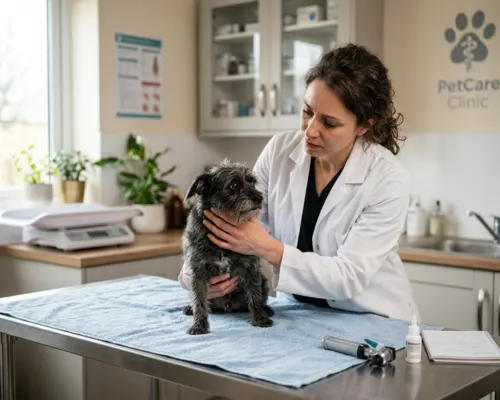
Shaking becomes more concerning when it shows up with other symptoms or doesn’t stop. Here are the most common medical causes.
Pain or Injury
Dogs in pain often tremble, especially with conditions like pancreatitis, back pain, or a hidden injury. Watch for limping, whining, or sensitivity when touched.
A dog in pain may also stop eating. If that happens alongside the shaking, our guide on why your dog might not be eating can help you spot other warning signs to track.
Anxiety and Fear
Thunder, fireworks, vet visits, and separation from you can all trigger trembling. You’ll usually see pacing, panting, drooling, or hiding alongside the shaking.
This type of shaking calms down once the trigger is gone. A quiet, familiar space can help your dog settle faster.
Low Blood Sugar (Hypoglycemia)
This is more common in toy breed puppies, small senior dogs, and diabetic dogs. Along with shaking, you might notice weakness, stumbling, or sudden sleepiness. As WebMD notes, low blood sugar isn’t common, but it’s most likely to affect young and small-breed dogs.
Hypoglycemia can turn serious fast. Treat it as a same-day vet matter, not a wait-and-see one.
Generalized Tremor Syndrome (GTS)
Also called shaker syndrome, this condition causes whole-body tremors that worsen with excitement and ease at rest. It’s most common in small white-coated breeds like Maltese and West Highland White Terriers, though any dog can develop it. As PetMD explains, dogs with this condition develop rhythmic tremors that can affect the whole body or just the head, while acting normal otherwise. A vet visit still rules out other causes first.
Poisoning or Toxin Exposure
Chocolate, xylitol (found in sugar-free gum), certain plants, and some human medications can all cause tremors in dogs. Shaking from poisoning often comes with vomiting, drooling, or disorientation.
If vomiting shows up alongside the shaking, take a look at our article on dog vomiting yellow foam to understand what that combination might mean. Suspected poisoning is always an emergency. Call your vet right away and bring the packaging of whatever your dog may have eaten.
Seizures
A seizure looks different from regular shaking. Dogs may lose awareness, fall over, paddle their legs, or drool heavily. Some dogs act strange or restless right before one starts.
A single short seizure isn’t always a crisis, but it still needs a vet follow-up. Repeated seizures or one lasting more than a few minutes is an emergency.
Other Illnesses
Kidney disease, Addison’s disease, ear infections, and infections like canine distemper can all cause shaking along with other symptoms such as low energy or appetite changes.
In unspayed female dogs, sudden weakness and shaking can also point to a uterine infection. Our guide on early signs of pyometra walks through what to watch for if your dog hasn’t been spayed.
Tremor, Shivering, or Seizure? How to Tell the Difference
These three can look similar at a glance, but there are clear differences.

| Sign | Shivering or Tremor | Seizure |
|---|---|---|
| Awareness | Alert and aware of you | Often unaware or unconscious |
| Movement | Can usually walk or move normally | Paddling, stiffening, or collapse |
| Response to you | Responds to your voice or touch | Doesn’t respond during the episode |
| Duration | Comes and goes, often minutes | Usually under 2 to 3 minutes |
| After episode | Returns to normal quickly | May seem confused or tired afterward |
Context matters most here. Excitement, fear, low blood sugar, old age, and pain are some of the most common everyday causes of shaking in dogs, so look at the full picture, not just the shaking itself.
What to Do Right Now If Your Dog Is Shaking
- Stay calm. Your dog can pick up on your stress.
- Don’t restrain a shaking or seizing dog. Just keep them away from stairs, furniture edges, or sharp objects.
- Check for other signs: vomiting, limping, confusion, or pale gums.
- If cold seems like the cause, wrap your dog in a warm blanket.
- Note the start time and how long it lasts. A short video helps your vet a lot.
- Call your vet to describe exactly what you’re seeing, even if you’re not sure it’s an emergency.
When to Call the Vet Immediately
Some signs mean you shouldn’t wait. Call your vet or an emergency clinic if you notice:
- Shaking along with vomiting or diarrhea
- Loss of consciousness, collapse, or limpness
- Shaking that lasts more than a few minutes or keeps coming back
- Known or suspected exposure to a toxin
- Pale or bluish gums, weakness, or confusion
- A visible injury or signs of severe pain
How Vets Figure Out the Cause
Your vet starts with a physical exam and questions about timing and triggers. From there, bloodwork or a urinalysis can check organ function and blood sugar.
A suspected neurological cause may call for imaging or a specialist referral. A video of the episode is one of the most useful things you can bring to the appointment.
Helping Prevent Future Shaking Episodes
You can’t prevent every cause, but a few habits lower the risk.
- Keep up with annual wellness exams and bloodwork.
- Store chocolate, medications, and toxic plants out of reach.
- Give anxious dogs a quiet retreat space during storms or loud events.
- Keep small or thin-coated dogs warm in cold weather.
- Watch senior dogs for signs of joint pain and treat it early.
FAQ
Is it normal for my dog to shake right after waking up? A quick shake-off after sleep is usually normal, especially if your dog seems alert and active afterward. Frequent shaking after rest is worth mentioning to your vet.
Can stress alone make a dog shake that hard? Yes. Fear and anxiety can cause full-body trembling, even without any physical illness involved.
Should I worry if my puppy starts shaking suddenly? Puppies, especially toy breeds, are more prone to low blood sugar. Sudden shaking in a puppy deserves a same-day call to your vet.
Will my dog’s shaking go away on its own? Mild shaking from cold or excitement often resolves on its own within minutes. Shaking tied to an illness usually won’t improve without treatment.
Why does my senior dog shake when standing up? This is often muscle weakness or arthritis pain in older dogs. A vet can check for joint issues and recommend pain relief if needed.
Can certain foods or treats cause tremors in dogs? Yes. Items like chocolate, xylitol, grapes, and certain mushrooms can all trigger tremors or worse. Keep these well out of reach.
The Bottom Line
Sudden shaking in dogs has a wide range of causes, from a quick chill to a real medical emergency. The other symptoms your dog shows, and how long the shaking lasts, are your best clues.
When in doubt, a phone call to your vet costs you nothing but a few minutes. It’s the fastest way to know whether you’re dealing with something minor or something that needs care right away.
If you’re noticing other unusual symptoms alongside the shaking, browse more dog health and behavior guides on Petnicki to get a clearer picture of what your dog might be going through.