
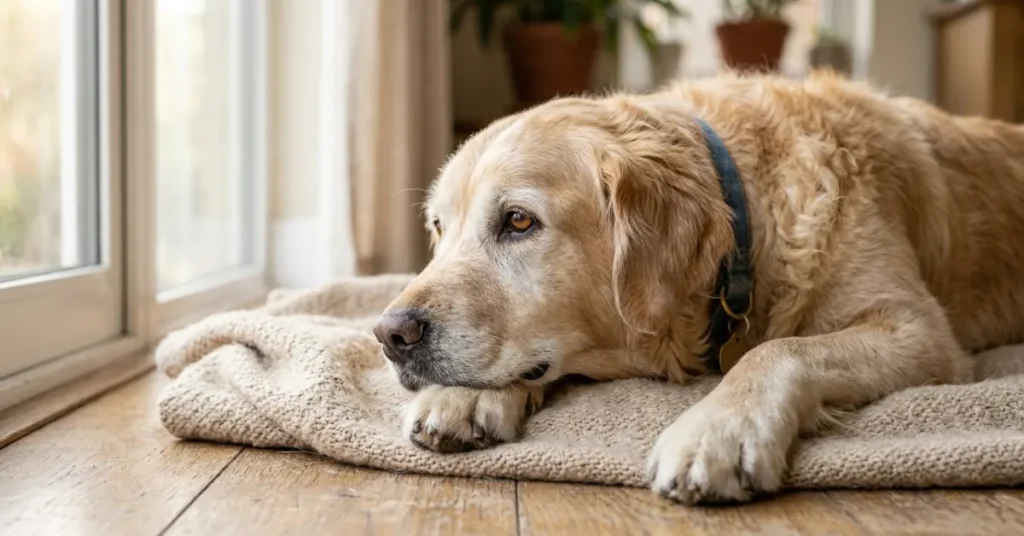

It’s scary to watch your dog slow down and wonder what it means. You’re not alone in trying to figure out if this is just normal aging or something more serious.
This guide walks you through the real signs your dog is dying, from the first subtle changes to what happens in the final hours. You’ll also find practical ways to keep your dog comfortable at every stage.
We’ll cover behavior shifts, physical symptoms, how to tell a dying dog from a sick one, and when to call your vet.
Signs your dog is dying include reduced appetite, extreme tiredness, loss of interest in family or play, irregular breathing, incontinence, and a drop in body temperature. These changes can build slowly over weeks or show up within days. If you notice several signs together, talk to your vet about comfort care and end-of-life options.
Early Signs Your Dog Is Dying
Early signs are often subtle. They build up over time, so it helps to know what to watch for.
Withdrawal and Behavior Changes
A dog who once greeted you at the door may start staying in another room. They might stop responding the way they used to.
This withdrawal isn’t your dog rejecting you. It’s often a natural response as their energy and senses decline.
Some dogs do the opposite and become clingier, wanting to stay close to you. Both reactions are common near the end of life.
Increased Sleep and Low Energy
Older and sick dogs sleep more than they used to. A little extra rest is normal with age.
But when sleep turns into constant lethargy, even after light activity, it can point to declining organ function or chronic pain.
If your dog used to perk up for a walk and now barely lifts their head, that shift is worth a vet visit. If sudden trembling shows up along with the tiredness, our guide on why dogs shake all of a sudden explains when shaking points to something more serious.
Loss of Interest in Food or Water
Many dying dogs lose interest in eating before anything else changes. They may sniff their bowl and walk away, or only accept a favorite treat.
This often happens because slowing organ function reduces hunger and thirst. Lower water intake can lead to dehydration, which tends to make every other symptom worse.
Physical Signs Your Dog Is Dying
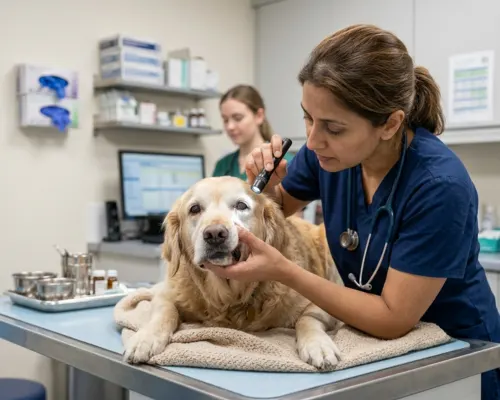
As the body declines, physical signs usually become more obvious than behavior alone.
Weight Loss and Muscle Loss
Rapid or unexplained weight loss is common in dogs nearing the end of life. You might notice their spine or hip bones more easily, or their coat looking duller.
Muscle wasting can happen even if your dog is still eating, because the body struggles to absorb nutrients properly at this stage.
Mobility Problems
Trouble standing, climbing stairs, or walking short distances often points to joint pain, muscle loss, or nerve decline.
A dog that once jumped onto the couch may now hesitate at a single step. Non-slip mats and ramps can help, but ongoing mobility loss is a sign to discuss comfort care with your vet.
Incontinence
Loss of bladder or bowel control is common as muscles weaken. This isn’t a behavior problem. It’s usually a sign the body is shutting down certain functions.
Washable pads, frequent bedding changes, and gentle cleaning can keep your dog comfortable and reduce skin irritation.
Changes in Body Temperature
A dying dog’s paws, ears, or nose may feel cooler than normal as circulation slows. PetMD notes that near death, breathing falters, body temperature drops, and the extremities often feel cool to the touch.
Signs Your Dog Is Actively Dying
These signs usually show up in the final hours to days, once the body is shutting down.
Irregular or Labored Breathing
Breathing may turn shallow, rapid, or have long pauses between breaths. Some dogs develop a rattling sound from fluid building up in the airway.
This pattern, sometimes called agonal breathing, is hard to watch but is part of the natural dying process.
Pale or Bluish Gums
As circulation weakens, gums can turn pale, gray, or bluish from a lack of oxygen. Cold limbs paired with pale gums often mean the end is close, sometimes within minutes to hours.
Confusion and Restlessness
Some dogs pace, stare blankly, or seem lost in their own home. Others go unusually still and stop responding to sound or touch.
Keep your voice calm and your movements slow. Familiar smells and a quiet room can ease this confusion.
Dying or Just Sick? How to Tell the Difference
A sick dog can show many of the same signs and still recover with treatment. A vet visit matters before assuming the worst.
Signs that point more toward decline rather than a treatable illness include:
- Several symptoms appearing together, not just one
- No improvement after a few days of vet care
- Steady decline despite treatment
- More bad days than good ones, based on your dog’s normal personality
A vet can run bloodwork, check organ function, and help you understand whether you’re dealing with a manageable condition or true end-of-life decline.
How to Comfort a Dying Dog
Your dog’s comfort matters more than anything else at this stage.
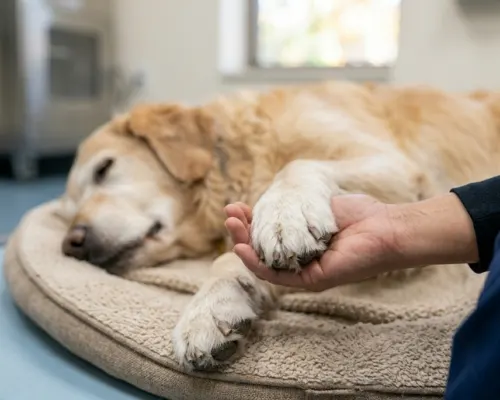
- Keep their bed soft, warm, and easy to reach without stairs or jumping.
- Offer food and water nearby, but never force them to eat or drink.
- Keep the environment calm and quiet, away from loud noise or chaos.
- Stay close. Your presence and calm voice mean more than you might think.
- Ask your vet about pain relief if your dog seems uncomfortable.
If cost is a worry during this stage, looking into what dog insurance typically costs per month ahead of time can help you plan for vet visits and end-of-life care.
When to Call Your Veterinarian
Contact your vet right away if your dog shows labored breathing, collapse, repeated vomiting, or pain that medication isn’t controlling.
Your vet can also walk you through palliative care, hospice support, or humane euthanasia. The American Veterinary Medical Association notes that vets have a range of palliative and euthanasia options that help owners choose compassionately and support a pet’s quality of life, including a peaceful death when appropriate.
There’s no shame in asking for guidance here. This decision is one of the hardest parts of loving a pet, and you don’t have to make it alone.
FAQ
How long does the dying process take in dogs? It varies widely. Some dogs decline over weeks with chronic illness, while others show final signs within hours or days. Your vet can give you a better idea based on your dog’s specific condition.
Do dogs know when they are dying? Dogs likely don’t understand death as a concept, but their senses pick up on internal changes, which is why behavior often shifts as the body declines.
Should I let my dog die naturally at home? Natural death can happen, but it isn’t always peaceful and can involve labored breathing or distress. Many vets recommend discussing humane euthanasia to prevent unnecessary suffering.
Is it normal for a dying dog to stop eating completely? Yes. Appetite loss is one of the most common signs as organ function slows. Never force-feed a dog that refuses food, since this can cause choking or discomfort.
Can a dog recover after showing these signs? Some signs overlap with treatable illnesses, so recovery is possible in certain cases. A full vet exam is the only way to know for sure.
What should I do right after my dog passes? Stay calm, and contact your vet or a pet cremation service for next steps. It’s normal to see brief muscle twitching or release of urine right after death.
A Calm, Clear Takeaway
Recognizing the signs your dog is dying won’t make this easier, but it can help you respond with steadiness instead of fear.
Watch for changes in appetite, energy, mobility, and breathing, and don’t wait to call your vet if several signs show up together.
For more ways to support your dog through every life stage, our complete pet care guide covers everyday health and comfort tips worth bookmarking.Share