







A dog that can’t move its back legs still wags its tail the moment someone walks through the door. That’s usually the first thing rescue volunteers notice. The legs may have stopped working, but everything else about that dog is still very much alive. That expression is why donation appeals work at all, a dynamic we look at in the dog face that raises money.
Stories about paralyzed rescue dogs circulate often, and people naturally want to know what happens once one of these animals is pulled off the street or surrendered by an owner who can no longer manage the care involved. This article covers what causes paralysis in dogs, how recovery actually unfolds, and what it takes to give one of these animals a real shot at a comfortable life.
Paralysis in a dog means the signal between the brain and certain muscles has been cut off or badly disrupted, usually due to damage somewhere along the spinal cord or nerves. Depending on where that damage sits, a dog might lose use of just the back legs or, less commonly, all four limbs. The most frequent causes include slipped discs, traffic accidents, infections, and tumors pressing on the spine. None of this automatically means a shortened life, and many paralyzed dogs go on to live for years with the right support.
How Rescue Dogs End Up Paralyzed
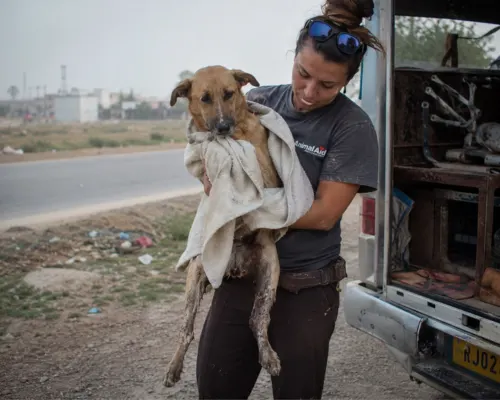
Shelters and rescue groups tend to see the same handful of causes repeat over and over.
- Being hit by a car or another type of blunt-force trauma
- Intervertebral disc disease, especially in long-backed breeds like Dachshunds and Corgis
- Spinal infections, abscesses, or tumors pressing on the spinal cord
- Birth defects that affect spinal development or nerve function
- Untreated injuries that worsen gradually without care
A large number of these dogs arrive through situations similar to abandoned puppies who need emergency treatment, found alone and already in distress. By the time a rescue group steps in, the spine has often been compressed for hours or even days, which is part of why early intervention matters so much. The longer a dog goes without proper diagnosis, the higher the chance of permanent nerve damage.
Recognizing the Warning Signs
A dog doesn’t need to be fully paralyzed for something to be seriously wrong. Early signs are often subtle and easy to miss.
- Dragging one or both back legs while walking
- Knuckling over on the paws instead of stepping normally
- Sudden loss of bladder or bowel control
- Wobbly, uncoordinated movement or swaying
- Yelping or stiffening when the back is touched
- Sudden collapse with no obvious cause
Catching these signs early changes the outlook considerably, especially with conditions like IVDD, where the window for effective treatment can close fast.
Diagnosis and Treatment Options
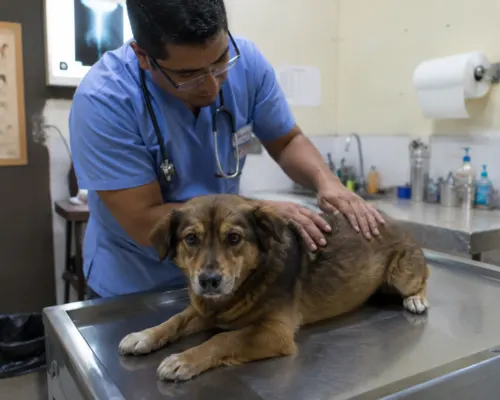
A vet exam for a suspected paralysis case usually starts with a full neurological assessment. The vet checks reflexes, pain response, and how the dog reacts when its paws are touched, pinched, or repositioned.
Imaging comes next. X-rays can rule out fractures, but an MRI gives a much clearer picture of soft tissue and nerve involvement. According to PetMD, nerves can regenerate after injury, though the process is slow, often around an inch per month, and the outcome depends heavily on exactly where the damage occurred.
Treatment generally falls into one of three categories:
- Mild cases: strict crate rest, anti-inflammatory medication, and pain control
- Moderate cases: physical therapy, hydrotherapy, and acupuncture alongside medication
- Severe cases: surgery to relieve pressure on the spinal cord before permanent damage sets in
This is also a good point to bring up scheduling regular wellness checkups and looking into pet insurance, since spinal issues caught early, before full paralysis develops, often have far better outcomes and lower treatment costs overall.
What the First Few Weeks Look Like
The early recovery period sets the tone for everything that follows. Most dogs go through a short hospital stay for diagnostics, pain management, and in some cases surgery.
Once home, strict rest is usually required, sometimes for several weeks. This means crate confinement, no jumping, and limited movement even if the dog seems eager to get up and move around.
This phase tests patience more than anything else. A dog that wants to run around with a healing spine can undo weeks of progress in a single bad jump off the couch. Caregivers often have to manage the dog’s energy levels carefully, sometimes with light sedation or calming routines recommended by the vet.
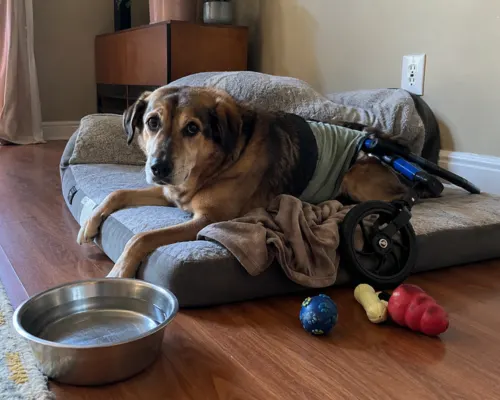
Daily Care for a Paralyzed Dog at Home
Once the initial recovery period passes, daily routines settle into a rhythm that becomes second nature fairly quickly.
- Bladder expression two to three times a day for dogs who can’t urinate on their own
- Soft, padded bedding to prevent pressure sores on hips and elbows
- Regular position changes for dogs who can’t shift their own weight
- Cleaning the hindquarters after bathroom breaks to prevent skin infections
- Daily paw and skin checks, since dragging limbs can cause wounds that go unnoticed
None of this is complicated once it becomes routine, but it does require consistency. Skipping bladder expression for even a day can lead to a urinary tract infection that sets recovery back by weeks.
Emotional Recovery and Building Trust
Dogs tend to adjust to physical limitations faster than most people expect. What usually takes longer is rebuilding trust, particularly for dogs that were abandoned or injured through neglect.
Patience matters more than anything here. A dog that flinches at sudden movement during the first week is often the same dog leaning into someone’s lap by week four.
Volunteers often describe a turning point, a single moment where the dog stops bracing for something bad and starts expecting something good instead. That shift tends to happen well before the physical recovery is complete, and it’s usually the moment that convinces a foster home to make things permanent.
Living an Active Life with Mobility Aids
A wheelchair cart changes everything for a dog with permanent hind-leg paralysis. Most dogs figure out how to use one within a day or two, and many are running within a week.
- Custom-fit carts allow normal walks, play, and exploring outdoors
- Swimming and hydrotherapy build muscle without straining joints
- Slings and harnesses help with stairs or uneven ground
- Traction socks or toe grips reduce slipping on hard floors
Canine physical therapy has grown into a recognized part of veterinary care, adapting techniques from human rehabilitation to help dogs regain strength, manage pain, and improve overall mobility. For paralyzed dogs, a structured rehab plan combined with the right equipment is often what separates a dog that adapts well from one that struggles.
A paralyzed dog with a properly fitted cart can still chase a ball, greet visitors at the door, and go on regular neighborhood walks. The limitation ends up being mostly logistical rather than emotional.
Donate for Rescue Recovery Care: How You Can Help
Rehabilitation for a paralyzed dog isn’t cheap. Surgery alone can run into the thousands, and that’s before factoring in mobility carts, ongoing therapy, and long-term medication.
Looking at typical emergency vet costs makes it clear why donations matter so much in cases like this. A single spinal surgery can exceed what most small rescue groups have available at any given time.
Donations to rescue organizations typically go toward:
- Emergency diagnostics, including X-rays and MRIs
- Surgery and post-operative care
- Mobility carts and ongoing physical therapy sessions
- Long-term medication and follow-up vet visits
Even small, recurring donations add up. A rescue that can cover one MRI without weeks of fundraising can start treatment days earlier, and that head start often makes a real difference in how much function a dog eventually regains.
Frequently Asked Questions
Can a paralyzed dog still live a happy life?
Yes. With mobility aids, a consistent hygiene routine, and a few adjustments around the house, paralyzed dogs play, socialize, and bond just as deeply as any other dog.
How often does a paralyzed dog’s bladder need to be expressed?
Most dogs need manual bladder expression two to three times a day. A vet or rehab specialist can demonstrate the correct technique for owners.
Do paralyzed dogs feel pain in their back legs?
It depends on the cause and severity. Some dogs retain sensation while others don’t, and a vet can test for deep pain response to determine this.
Can a paralyzed dog regain movement over time?
In some cases, yes, particularly when the spinal cord wasn’t fully severed. Nerve regeneration is slow, so improvement can take several months to show.
What does long-term care for a paralyzed dog typically involve?
Ongoing costs usually include medication, rehab sessions, supportive bedding, mobility equipment, and periodic vet checkups to monitor progress.
Which breeds are most prone to paralysis?
Long-backed breeds like Dachshunds, Corgis, and Basset Hounds face higher risk due to IVDD, though trauma or infection can affect any breed.
Is a paralyzed dog harder to introduce to a household with other pets?
Not usually. Most paralyzed dogs adjust their behavior naturally and other pets tend to follow their lead within a short time.
Final Thoughts
Paralysis changes how a dog moves, not who that dog is. Dogs that come through rescue with spinal injuries or birth defects still greet people the same way, still play, and still settle into new homes with the same enthusiasm as any other rescue dog.
Recovery takes time, money, and patience, and that’s exactly where donations make the biggest difference. A rescue that has the resources to act quickly on diagnostics and treatment gives a paralyzed dog the best possible start. The rest, as countless rescue stories show, the dog tends to handle on its own.
