
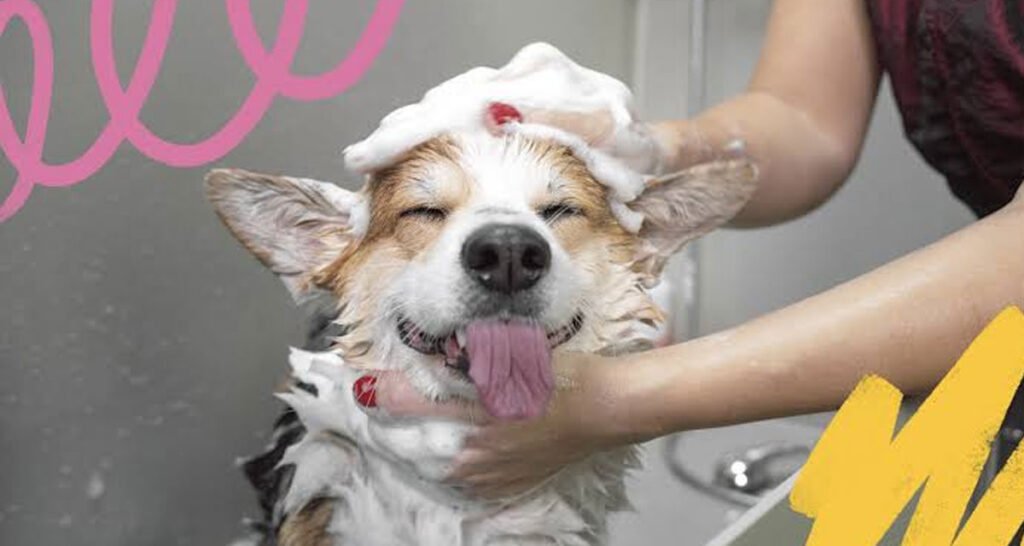

Dog grooming is easier to manage when it is treated as a regular part of care rather than an occasional emergency. As you coordinate dog training daycare and boarding with everyday responsibilities, a simple grooming plan can help keep your dog comfortable without creating last-minute expenses or stressful appointments. A routine also makes it easier to divide grooming into manageable tasks instead of trying to brush, bathe, trim nails, and check ears all in one sitting.
The best routine is not identical for every dog. A short-haired dog that spends most days indoors may need different care than a curly-coated dog who hikes, swims, or collects mud in every puddle. Build the plan around the individual dog, then adjust it when seasons, health, or lifestyle changes call for it. Puppies may need extra practice with handling, while senior dogs may need slower sessions, softer surfaces, and more breaks if standing or bending is uncomfortable.
Why a Grooming Routine Matters
Grooming is about more than a neat appearance. Brushing, bathing, nail care, and routine checks can help you notice tangles, debris, irritated skin, or changes that deserve attention. Waiting until a coat is heavily matted can make the process longer and more uncomfortable for the dog. Regular handling also gives dogs practice with being touched around their paws, ears, face, and body. This familiarity can be useful beyond grooming because it may make routine wellness checks and veterinary examinations less unfamiliar. A few minutes of calm observation during grooming can also help you learn what your dog’s normal coat, skin, paws, and ears look like.
How to Build a Grooming Plan
Start by identifying your dog’s coat type, whether it is short, long, curly, wiry, silky, or double-coated. Then list the tasks your dog needs, such as brushing, bathing, nail trims, ear checks, dental care, and haircuts. Consider outdoor activity, swimming, muddy play, and the dog’s comfort level. Put repeat tasks on a calendar so grooming happens before a small issue becomes a bigger one. It can help to use a simple checklist for each session: inspect the coat, check the paws, examine the ears from the outside, and note whether any area appears sensitive. Keep track of the products and tools that work well so replacing supplies or preparing for an appointment is easier.
Rather than copying another dog’s schedule, use your own dog’s coat condition as a guide. Some dogs benefit from brief brushing several times a week, while others need more frequent attention to prevent tangles. A dog that regularly swims, walks through tall grass, or wears a harness may need more frequent checks around the chest, underarms, feet, and collar area. If you are unsure which tools suit the coat, a professional groomer or veterinarian can help you narrow the choices.
Home Care Tasks That Matter
Brushing
Use a brush or comb suited to your dog’s coat, and keep sessions brief enough that your dog can stay relaxed. Brushing removes loose hair and helps you find small mats before they tighten. Work gently in sections, especially behind the ears, under the collar, around the legs, and near the tail. For longer or thicker coats, part the hair in small layers so you can check closer to the skin rather than brushing only the surface. Avoid pulling through a knot with force. If a tangle is tight, close to the skin, or seems painful, stop and ask a groomer for help.
Nail Care, Bathing, and Ear Checks
Overgrown nails can interfere with comfortable movement, so begin with calm paw handling before introducing clippers or a grinder. Bathe dogs with dog-safe products, provide secure footing, and dry the coat thoroughly. Check ears without pushing objects into the ear canal. Pain, odor, discharge, frequent head shaking, or repeated scratching are reasons to contact a veterinarian. Use lukewarm water and rinse shampoo thoroughly, since leftover product can irritate sensitive skin. A nonslip mat in the tub or bathing area can help a dog feel more secure, especially if the floor is slick.
For nail care, introduce the sound and sight of the chosen tool separately before attempting a trim. You may begin by touching one paw, rewarding your dog, and stopping there. Very small, successful steps are often more useful than trying to complete every nail at once. If you accidentally nick a nail or your dog becomes frightened, remain calm, end the session if needed, and make the next practice session easier.
When Professional Grooming Makes Sense
Professional grooming can be especially useful for complex trims, dense double coats, difficult nails, and tangles that cannot be worked through comfortably. It can also be a practical option for busy households. Mobile grooming may offer convenience for some dogs, while a salon may suit others. Before booking, ask exactly what is included, whether there are extra fees for coat condition or handling needs, and how long the appointment may take. Be upfront about your dog’s previous grooming experiences, mobility limitations, sensitivity to dryers, or history of fear around handling. That information gives the groomer a better chance to plan a safer, more comfortable visit.
Ways to Reduce Grooming Stress
Use Cooperative Care
Cooperative care means gradually teaching a dog to participate in handling, with rewards and predictable steps. Cornell’s guidance on gradual exposure and positive reinforcement encourages owners to introduce tools slowly, practice when the dog is relaxed, and stop before stress builds. Let your dog investigate the brush, towel, clippers, or bathtub before expecting a full grooming session. Pair each step with something your dog enjoys, such as a small treat, praise, or a brief break. The goal is not to finish a complete groom immediately; it is to build a history of calm, successful experiences.
Watch for Early Stress Signals
- Lip licking or yawning when the dog is not tired
- Freezing, leaning away, or pulling a paw back
- Heavy panting without recent physical activity
- Attempts to hide, escape, or avoid the grooming area
Pause when these signals appear. Forcing a dog through a long session can make future grooming more difficult. Give the dog space, return to an easier step later, and consider whether the tool, surface, noise, temperature, or amount of handling is contributing to the discomfort. Repeated fear, snapping, or panic is a reason to seek individualized help from a veterinarian, qualified trainer, or groomer experienced with nervous dogs.
How to Plan a Grooming Budget
Instead of relying on one fixed price, estimate the full year of care. Include routine grooming visits, brushes and combs, shampoo, towels, nail tools, dental products, and seasonal needs such as additional cleaning after wet weather or outdoor activities. Keep a small reserve for extra coat work, special handling, or veterinary guidance. Consider replacing worn tools as part of the budget, since dull, damaged, or poorly suited equipment can make at-home work harder. If professional grooming is part of the plan, ask whether the business charges separately for de-shedding, coat trimming, nail grinding, teeth brushing, or mat removal.
Annual grooming budget = routine appointments + home-care supplies + seasonal needs + emergency cushion.
How to Choose a Groomer
Ask whether the groomer has experience with your dog’s coat type, age, size, and temperament. Look for clear communication, clean equipment, safe surfaces, and a thoughtful approach to nervous or senior dogs. Confirm what the quoted price includes, how the business handles cancellations and late arrivals, and whether extra services carry added charges. You can also ask how dogs are monitored during drying, whether breaks are available, and how the groomer communicates if they find matting, skin concerns, or a task the dog cannot tolerate safely. A good fit should involve realistic expectations rather than promises to force a difficult service to completion.
Seasonal Grooming Changes
Spring and summer can bring shedding, swimming, dirt, and more frequent coat checks. Fall and winter can mean wet paws, road salt, ice, mud, and dry indoor air. Check paw pads after walks, dry dogs after bathing or swimming, and continue brushing throughout the year. Shaving a double-coated dog is not a universal solution, so discuss major coat changes with a qualified groomer or veterinarian. During periods of heavier shedding, more frequent short brushing sessions may be easier on both the dog and the household than waiting until loose fur has built up. After walks in winter conditions, gently inspect between the toes and around the paw pads for debris.
Warning Signs That Need Extra Care
Seek professional or veterinary guidance if grooming suddenly causes flinching, whining, snapping, or guarding of a body area. Other concerns include severe matting, bleeding or cracked nails, limping, strong ear odor, swelling, sores, unusual bumps, sudden hair loss, or visible skin irritation. Do not try to push through a task that appears painful or unsafe. Sudden changes are especially important to note if your dog previously accepted grooming comfortably. Take a clear photo of any visible change in skin or coat when practical, and note when you first noticed it, so you can provide useful information to the veterinarian or groomer.
Final Checklist
- Choose tools that match your dog’s coat and needs.
- Keep sessions short, calm, and predictable.
- Use rewards and stop before stress escalates.
- Schedule routine care instead of waiting for visible problems.
- Ask professional groomers about services and pricing in advance.
- Get veterinary help when grooming reveals pain or possible illness.
A good grooming routine does not need to be complicated. It should be steady, comfortable, and tailored to the dog in front of you. Small home-care habits, realistic budgeting, and the right professional support can make grooming safer and more manageable for everyone. When in doubt, choose the gentler option: work in shorter sessions, avoid painful pulling or forcing, and ask for help before a minor grooming concern becomes a larger problem.