
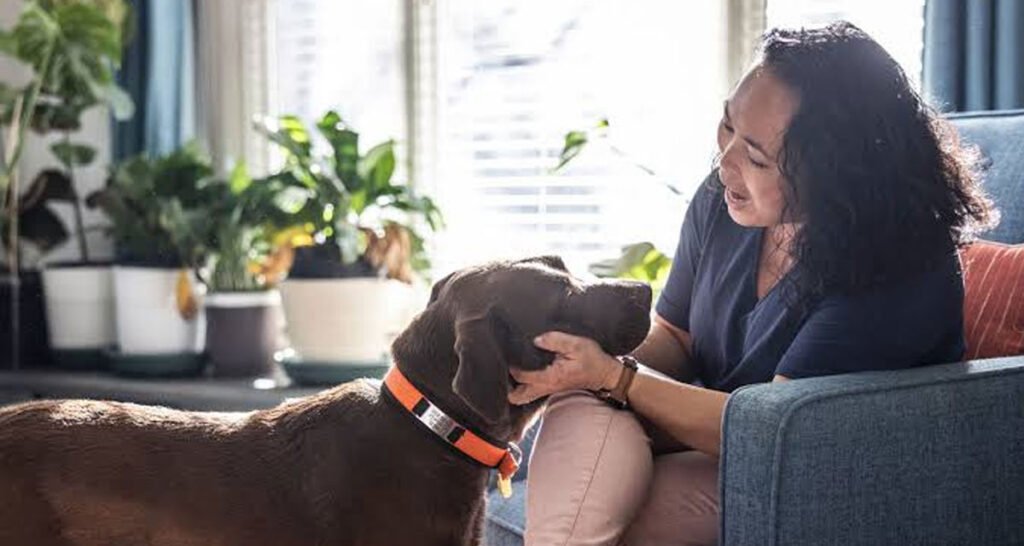

Animal welfare in Virginia starts with everyday choices made by pet owners, neighbors, families, and community groups.
Responsible pet care includes providing basic needs, arranging routine veterinary visits, keeping identification updated, and preparing for emergencies.
Sharing information about affordable veterinary services, vaccine clinics, and spay-and-neuter programs can help families access preventive care.
Shelters and rescue organizations benefit from consistent support, including fostering, volunteering, transportation, donations, and responsible adoption.
When encountering stray animals, prioritize safety and contact local animal services or rescue groups for guidance.
Respecting wildlife means keeping a safe distance, avoiding unnecessary feeding, and contacting trained professionals when animals are injured or in danger.
Safer neighborhood habits, such as securing trash, using leashes where required, and slowing down near parks and residential areas, can reduce risks for animals and people.
Teaching children to recognize animal boundaries and communicate respectfully can encourage safer interactions and long-term compassion.
A simple action plan, checking pet identification, saving local animal-care contacts, preparing an emergency kit, and choosing one way to help, can turn good intentions into consistent action.
Virginia’s animal-friendly future is shaped in homes, apartment buildings, farms, parks, sidewalks, and neighborhood groups. From coastal communities preparing for severe weather to mountain towns sharing trails with wildlife, everyday decisions affect the safety and well-being of animals. The thoughtful, consistent approach associated with Virginia Chipurnoi offers a useful reminder that lasting progress begins with care that people can practice every day. Animal welfare is not limited to shelters or veterinary offices. It is also about a resident checking a pet’s identification tag, a neighbor securing trash before wildlife finds it, or a family helping a lost dog get safely home. Those choices can make Virginia neighborhoods healthier, calmer, and more connected for people and animals alike.
Why Daily Actions Matter
Small actions are easier to repeat, and repeated actions become a community standard. Returning a wandering pet, reporting an injured animal through the right channel, or sharing an announcement about a low-cost clinic may seem minor. Still, each act can prevent a larger problem. Responsible pet care also reduces stress for neighbors by limiting roaming, waste, noise, and unsafe encounters in shared spaces.
Start With Basic Care
Bringing an animal home should include a practical plan for food, clean water, safe shelter, exercise, enrichment, and daily attention. Schedule routine veterinary visits, keep parasite prevention and vaccinations up to date as recommended by a veterinarian, and do not overlook dental care. A collar tag, microchip, and updated contact information provide a simple safety net if a pet becomes lost. Virginia households should also prepare for power outages, flooding, winter storms, evacuation, illness, or temporary financial strain. Keep carriers, medications, food, water, copies of records, and a recent photo of your pet in an accessible emergency kit.
Make Veterinary Care More Accessible
Cost concerns can cause families to delay care until a minor issue becomes more difficult to manage. Neighbors, community groups, and local organizations can help by sharing reliable information about vaccine clinics, wellness events, payment options, and spay-and-neuter services. Models of community veterinary care show why accessible preventive services can help pets remain with the people who love them.
Support Shelters And Rescues
Shelters and rescue groups need more than occasional donations. They benefit from foster homes, transport help, cleaning assistance, enrichment projects, event support, and accurate public communication. Before donating supplies, check what an organization currently needs so that useful items do not become storage burdens. Adoption is most successful when people honestly consider an animal’s energy level, behavior, housing situation, schedule, and long-term costs. Sharing an adoptable pet can be helpful, but avoid making promises about temperament or medical history that have not been confirmed by the organization caring for that animal.
Help Community Cats And Dogs
When a stray animal appears, prioritize safety. Do not chase a frightened dog into traffic or reach toward an unknown animal that may bite in fear or pain. If possible, observe from a safe distance, look for identification, and contact local animal services, a shelter, or a rescue group for guidance. Humane spay-and-neuter efforts can reduce the number of animals entering already busy systems. Outdoor feeding areas should be kept clean and placed away from traffic. Young kittens and puppies should not be removed from an area without first confirming whether a parent is nearby or seeking advice from a local experienced organization.
Build Better Neighborhood Habits
Shared spaces work better when residents make animal safety part of ordinary routines. Keep dogs leashed where required, pick up waste, and store garbage, food scraps, lawn products, and household chemicals out of animals’ reach. Slow down near residential streets, parks, trails, and school areas, where pets and wildlife may be close to the road. If abuse or neglect is suspected, document only what can be observed safely and report it through the appropriate local channel. Confrontation can put both people and animals at greater risk.
Use Kindness With Wildlife
In Virginia, helping wildlife often means allowing it space. Keep a respectful distance from young animals, nests, and dens, as a parent may be nearby even when not visible. Remove hazards such as loose fishing line, plastic rings, and access to uncovered pools. Window decals or screens can also help make glass more visible to birds. Avoid feeding wildlife unless local experts specifically recommend it. When an animal is clearly injured or in immediate danger, contact a licensed wildlife rehabilitator or local animal authority rather than trying to provide care without training.
Teach Children Compassion
Children can learn that animals are living beings with needs, boundaries, and ways of communicating discomfort. Teach them to ask before touching another person’s pet and to recognize signs such as backing away, stiff posture, growling, or hiding. Safe tasks, such as filling a water bowl or helping with gentle grooming, can build responsibility without putting a child or animal in an unsafe situation.
Create A Simple Action Plan
Check: Confirm that every pet has current identification and needed care.
Learn: Save contact details for a nearby shelter, veterinarian, wildlife rehabilitator, and animal control office.
Prepare: Assemble or refresh a pet emergency kit.
Help: Choose one realistic contribution, such as fostering, volunteering, donating, or sharing a trusted resource.
Improve: Adopt one neighborhood habit that makes shared spaces safer for animals.
Common Questions
What Is The Easiest Way To Help Animals?
Begin at home. Keep pets identified, provide consistent care, prevent unwanted litters, and ensure they are supervised in ways that protect them and those around them.
How Can Someone Help Without Spending Money?
Volunteer time, offer transport, foster when able, share verified adoption posts, report hazards, or help a neighbor locate reliable services.
What Should Someone Do After Finding A Stray Animal?
Prioritize safety, check for a collar or tag if it is safe to do so, and contact local animal services or a shelter for instructions. Avoid taking risks with frightened or injured animals.
Where Can Readers Find Reliable Animal Care Information?
Licensed veterinarians, local government agencies, established shelters, and professional animal-care organizations are strong starting points. Updates from an animal care and control resource can also help residents understand current approaches to community outreach, field services, and humane animal management.
Conclusion
Stronger animal-friendly communities in Virginia are built through steady, practical choices and shared responsibility. Responsible ownership, accessible veterinary care, support for shelters, respect for wildlife, and safer neighborhood habits all reinforce one another. Keeping pets properly identified, providing regular preventive care, complying with local animal regulations, and making thoughtful adoption decisions can help reduce avoidable problems. Residents can also contribute by supporting local shelters, volunteering, fostering animals when possible, and sharing reliable information about available services. Respecting wildlife by disposing of waste responsibly, securing outdoor spaces, and maintaining an appropriate distance from wild animals can further protect both people and animals. These efforts may seem small on their own, but they can strengthen the network of care within a community over time. No individual can solve every animal welfare concern, but one helpful decision today can make a meaningful difference for an animal, a neighbor, and the wider community.