





Most dog owners know the feeling – your pet is restless, anxious, or just can’t seem to settle down. Whether it’s separation anxiety, overstimulation from the environment, or just the natural energy of an active breed, finding ways to help your dog truly relax is a real challenge. That’s where sleep-inducing dog spa treatments come in.
These aren’t just pampering sessions. When done right, canine spa therapies target the nervous system, reduce cortisol levels, and create the kind of deep, physical calm that leads to genuine rest. Think of it as a reset button for your dog’s body and mind.
A sleep-inducing dog spa combines specialized grooming, sensory therapies, and calming techniques designed to reduce stress and promote relaxation in dogs. These treatments often include hydrotherapy, aromatherapy, massage, and warm water soaks – all tailored to a dog’s size, temperament, and health needs. Unlike a standard grooming visit, the goal isn’t just a clean coat – it’s a genuinely calmer, more settled dog.
Why Dogs Benefit from Spa-Style Relaxation Therapies
Dogs experience stress just like people do. Loud environments, routine changes, social anxiety around other animals, and even boredom can all trigger heightened nervous system activity. Chronic stress in dogs has been linked to digestive problems, weakened immunity, destructive behavior, and poor sleep quality.
Spa treatments offer a non-pharmaceutical way to address this. They work by stimulating the parasympathetic nervous system – the “rest and digest” mode – which counteracts the fight-or-flight response. The result is a dog that’s noticeably calmer, sleeps more soundly, and shows fewer signs of anxiety over time.
The Most Effective Sleep-Inducing Treatments for Dogs
Here are the treatments that actually work when it comes to calming your dog and helping them sleep better.
Warm Water Hydrotherapy
Warm water immersion is one of the most powerful calming tools available for dogs. The buoyancy reduces joint pressure, which is especially helpful for older dogs or those with arthritis. The warmth relaxes muscle tension throughout the body and slows the heart rate naturally.
Many spas offer:
- Warm whirlpool soaks
- Underwater treadmill sessions for low-impact movement
- Therapeutic swim sessions in temperature-controlled pools
Even ten minutes in a warm, calm water environment can noticeably shift a dog’s stress level.
Canine Massage Therapy
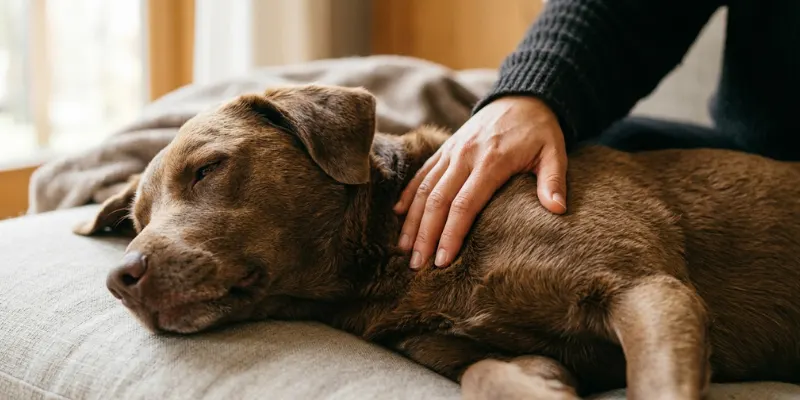
Massage isn’t a luxury for dogs – it’s a genuine therapeutic tool. Slow, rhythmic strokes along the neck, shoulders, and spine activate pressure receptors that signal the brain to release serotonin and oxytocin. These are the same hormones responsible for feelings of safety and contentment.
A trained canine massage therapist will typically:
- Use effleurage (long gliding strokes) to calm the nervous system
- Apply gentle compression to tight muscle groups
- Focus on the base of the skull, ears, and hindquarters – common stress-holding areas
Dogs that receive regular massage often show reduced anxiety in new situations and sleep significantly longer after sessions.
Aromatherapy for Dogs
Scent is one of the most direct pathways to a dog’s nervous system. Certain essential oils – when properly diluted and diffused (never applied directly to skin) – have a measurable calming effect on dogs.
Commonly used calming scents include:
- Lavender – studied for its sedative properties in both humans and dogs
- Chamomile – reduces nervousness and agitation
- Frankincense – promotes grounding and stillness
It’s important to work with a spa that understands canine-safe aromatherapy. Dogs have an olfactory system roughly 40 times more sensitive than humans, so concentration matters enormously. According to the ASPCA, some essential oils are toxic to pets – always confirm safety before any aromatic treatment.
Deshedding and Coat Treatments
A thorough deshedding treatment isn’t just cosmetic. The extended, methodical brushing and conditioning process mimics social grooming behavior that dogs use to bond and relax with each other. Many dogs enter a near-trance state during a quality deshedding session.
Warm conditioning masks applied to the coat also add a layer of sensory comfort – the gentle heat and the rhythmic application are deeply soothing, particularly for dogs that enjoy physical contact.
Sound Therapy and Quiet Environments
Noise is one of the most overlooked stressors for dogs. A good canine spa controls the acoustic environment carefully – low lighting, soft background music (often species-specific music designed for dogs), and minimal sudden sounds.
Some facilities even offer:
- Private treatment rooms to eliminate social stressors
- White noise machines during post-treatment rest periods
- Harp or classical music specifically composed for canine nervous systems
The combination of physical treatment and a calm sensory environment dramatically increases the depth of relaxation dogs experience.
How to Prepare Your Dog for a Spa Visit
First-time spa visits can actually be stimulating rather than calming if your dog is already anxious. A little preparation goes a long way:
- Start with shorter visits – a brief bath and massage before committing to a full treatment package
- Bring a familiar scent – a worn t-shirt or their favorite blanket can help dogs feel secure in a new environment
- Avoid feeding right before water treatments – particularly hydrotherapy, which involves movement
- Choose off-peak hours – fewer dogs and quieter staff activity creates a calmer atmosphere
- Communicate your dog’s history – let the spa know about anxiety triggers, past traumas, or health conditions
Building a consistent routine with the same therapist also helps. Dogs respond strongly to familiar people, and the trust that develops over multiple visits deepens the relaxation response.
What to Expect After a Dog Spa Treatment
Most dogs are noticeably quieter after a session – they’ll sleep longer, eat more calmly, and show reduced reactivity to environmental triggers for 24 to 48 hours. With regular visits, these effects tend to compound. Dogs that receive consistent spa care often show lasting reductions in baseline anxiety.
If you’re building a broader wellness plan for your pet, it’s worth reading through a comprehensive pet care guide for healthy, happy pets – covering nutrition, exercise, and preventive care alongside relaxation therapies gives you the full picture.
Some dogs may be mildly tired or slightly stiff after hydrotherapy, particularly if it involves therapeutic movement. This is normal and typically resolves within a few hours.
FAQs: Dog Spa Treatments and Canine Relaxation
How often should I bring my dog to a spa for relaxation treatments?
For dogs with moderate anxiety, once or twice a month is a good starting point. Dogs with chronic stress or older dogs dealing with joint discomfort may benefit from weekly hydrotherapy or massage sessions. Work with your vet to find the right frequency for your dog’s specific needs.
Are dog spa treatments safe for puppies?
Most gentle treatments – light massage, calm environments, coat conditioning – are safe for puppies over 12 weeks. Hydrotherapy and full aromatherapy sessions are better suited for adult dogs. Always confirm with your veterinarian before introducing puppies to any new therapy.
Can spa treatments replace anxiety medication for dogs?
Spa therapies are a valuable complementary tool, not a replacement for veterinary-prescribed medication in dogs with severe anxiety disorders. For mild to moderate anxiety, many owners find that regular treatments significantly reduce or eliminate the need for medication – but that decision should always be made in consultation with a vet.
What breeds benefit most from sleep-inducing spa treatments?
High-energy breeds (Border Collies, Jack Russell Terriers, Vizslas) and anxious breeds (German Shepherds, Chihuahuas, rescue dogs with trauma histories) tend to show the most dramatic improvements. That said, virtually any dog can benefit – even naturally calm dogs sleep more deeply and recover from stress faster with regular treatment.
How do I find a qualified canine spa or massage therapist?
Look for therapists certified by recognized organizations such as the National Board of Certification for Animal Acupressure and Massage (NBCAAM) or the International Association of Animal Massage and Bodywork (IAAMB). Ask about their experience with your dog’s breed and any specific health concerns before booking.
Will my dog enjoy the experience right away?
Some dogs take to spa treatments immediately; others need a few sessions to settle in. Signs that your dog is relaxing include soft eyes, a lowered tail, slow blinking, yawning, and eventual lying down. If your dog seems distressed throughout a session, a good therapist will pause and reassess rather than push through.
Giving Your Dog the Rest They Deserve
Sleep is foundational to a dog’s physical health, emotional regulation, and overall happiness. When dogs don’t get enough quality rest, everything suffers – their behavior, their immune response, their ability to learn and bond.
Sleep-inducing spa treatments offer a thoughtful, evidence-supported path to deeper canine wellness. Whether it’s the muscle-melting warmth of hydrotherapy, the nervous-system reset of skilled massage, or simply the gift of a genuinely quiet, safe environment – these therapies meet dogs where they are and give them what they need most.
A calm dog is a happy dog. And a happy dog makes for a better life on both ends of the leash.
