
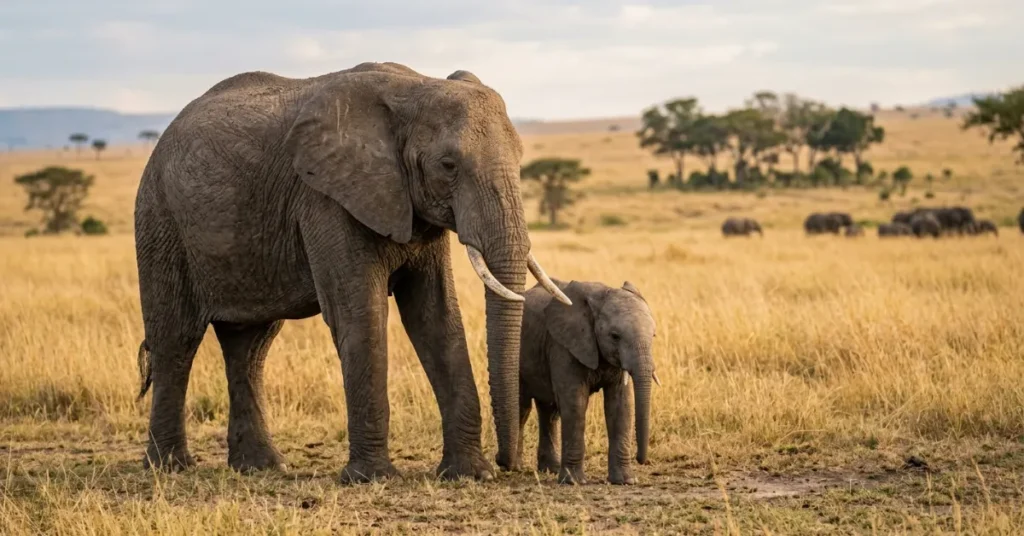

If you’ve watched elephant footage and wondered how something so massive once started out small, you’re not the only one. Most people guess a baby elephant is heavy, but the actual numbers still catch them off guard.
So, how much does a baby elephant weigh? This guide covers birth weight by species, why calves arrive so large, how fast they grow, and what shapes their size along the way.
Quick answer: A newborn elephant calf usually weighs between 200 and 260 pounds (90 to 120 kilograms) and stands close to three feet tall at the shoulder. African elephant calves tend to weigh a bit more than Asian elephant calves, though both rank among the heaviest newborns in the animal kingdom.
How Much Does a Baby Elephant Weigh at Birth?
Birth weight depends a little on species, sex, and the individual calf. Here’s what zoo records and wildlife research show:
- African elephant calves: usually 200 to 260 pounds (90 to 120 kg)
- Asian elephant calves: usually 150 to 250 pounds (68 to 113 kg), generally a touch lighter than African calves
- Male calves: often weigh slightly more than female calves at birth
- Height at birth: roughly 3 feet (1 meter) tall at the shoulder
To put that in perspective, a newborn elephant calf can already outweigh a full grown adult human. It’s one of the heaviest birth weights of any land mammal alive today.
Why Are Baby Elephants So Big at Birth?
A calf’s size starts long before it’s born. Elephants carry their young longer than any other mammal, with a pregnancy that runs close to 22 months, according to National Geographic. That long stretch gives the calf time to build a strong body and a brain that’s already well developed for survival.
This extended pregnancy also explains why calves can stand and start walking within hours of birth. Unlike many newborn mammals, baby elephants don’t get to stay helpless for long. Predators are a real risk on the savanna and in the forest, so the herd needs a calf that can keep up fast.
It’s also why elephants don’t have litters of babies the way dogs or pigs do. Carrying one calf this large takes everything a mother’s body has to give.
How Fast Do Baby Elephants Grow?
Weight Gain in the First Weeks
Calves nurse often in their early weeks, sometimes many times an hour, and pack on weight steadily from day one. Mothers and other female herd members, sometimes called allomothers, keep newborns close and well fed during this stage.
Growth isn’t perfectly even. A calf’s exact weight gain depends on how much milk is available, the mother’s health, and the individual animal.
Weight by One Year
By their first birthday, most calves weigh several times more than they did at birth. Growth slows after infancy, but elephants keep adding size for years, since they don’t reach full adult height and weight until well into their teens.
What Do Baby Elephant Calves Eat?
Milk is the main food source for the first couple of years of life. Calves nurse with their mouths at first, since their trunks are still too short and uncoordinated to help with feeding.
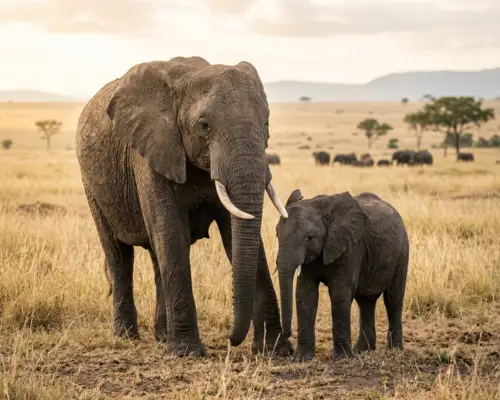
Weaning happens slowly. Calves start sampling grass, leaves, and bark around six months old, but many keep nursing on and off until they’re two to four years old, sometimes longer.
If you’re curious how feeding and growth tracking work for animals closer to home, our pet weight management guide covers the basics of monitoring a healthy weight curve, which applies across plenty of species, not just elephants.
Baby Elephant Behavior in the First Months
Calves are born straight into a tight social structure. Female herd members gather around a newborn within minutes, touching it gently with their trunks and helping guide it to its feet.
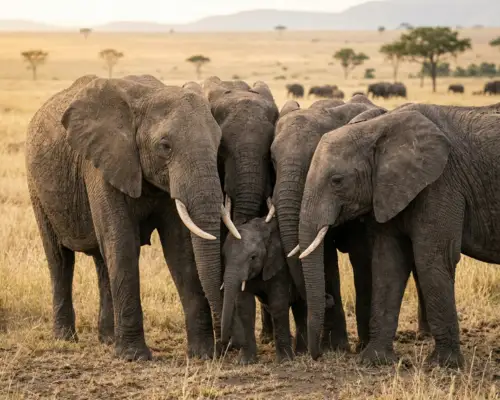
That bond runs deeper than safety. Elephants recognize each other by sound, scent, and touch, and some researchers believe they use distinct calls that work a bit like individual names within the herd. You can read more about how elephants identify one another in our piece on elephant names.
A calf stays within trunk’s reach of its mother for the first few years. During that time, it learns how to forage, how to use mud and dust to care for its skin, and how to read the herd’s body language.
What Affects a Baby Elephant’s Birth Weight?
A few factors can push a calf’s birth weight higher or lower:
- Species: African elephants are generally a bit heavier at birth than Asian elephants.
- Sex: Male calves often weigh slightly more than females.
- Mother’s age and health: Younger or first-time mothers sometimes have smaller calves.
- Twins: Rare, but when they happen, each calf is usually lighter than a single calf would be.
None of these differences signal a problem. Elephant calves have a fairly wide healthy weight range, much like puppies or human babies do.
How Does a Baby Elephant’s Weight Compare to Other Animals?
A newborn elephant calf already outweighs an adult human, and it’s far heavier than most other newborn land mammals, including giraffes, hippos, and rhinos.
That single fact says a lot about where elephants stand among the planet’s most remarkable animals. If big, unusual creatures interest you, our list of the coolest animals on Earth is worth a look.
According to the World Wildlife Fund, African and Asian elephants differ in more than a dozen physical traits, and birth size is one of the clearest.
FAQ: Baby Elephant Weight and Care
Baby Elephant Weight and Care – Baby elephants, also called calves, typically weigh between 200 and 300 pounds (90–136 kg) at birth, depending on the species. During their first years, they grow rapidly with the help of their mother’s nutrient-rich milk and constant protection. Proper care includes regular feeding, social interaction within the herd, access to water, and a safe environment that supports healthy growth and development. This guide explores baby elephant weight, growth milestones, and essential care facts.
How much does a baby elephant weigh in kilograms?
Most newborn calves weigh between 90 and 120 kilograms, or about 200 to 260 pounds.
Do baby elephants weigh more than human babies?
Yes, by a wide margin. An elephant calf can weigh well over 20 times more than an average human newborn.
How long do baby elephants nurse?
Most nurse for at least two years, and some keep nursing on and off until they’re four or older.
Can baby elephants walk right after birth?
Yes. Calves usually stand within an hour of birth and start walking soon after, though they stay close to their mother.
Do male and female calves weigh the same at birth?
Not exactly. Male calves tend to weigh a little more than female calves, though both fall within a similar overall range.
What should I do if I’m worried about an animal’s weight or growth?
For pets in your care, a vet can check whether their weight and growth are on track. Wild elephant calves are best left to wildlife professionals and conservation groups to monitor.
The Bottom Line
A baby elephant typically weighs 200 to 260 pounds at birth and stands about three feet tall. Asian elephant calves usually weigh a bit less than African elephant calves, though both are among the heaviest newborns in the animal kingdom.
That size comes from a long pregnancy, rich milk, and a tight-knit herd that protects and teaches the calf from its very first hours. If you want to keep learning about how different animals grow and stay healthy, browse more guides on petnicki.com.
Note: if you’re caring for an animal at home and have concerns about its weight or growth, talk to a vet. This article covers wild elephant behavior and biology for general learning, not veterinary advice.