






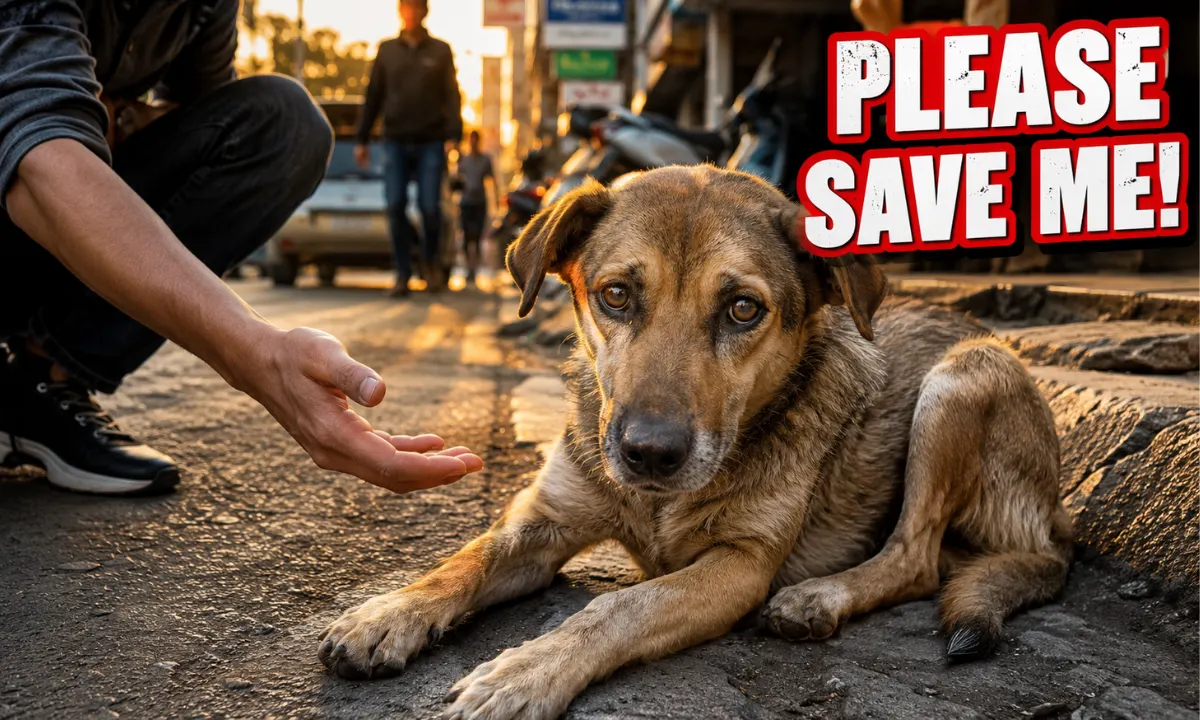
Nobody expects it. You’re going about your day, and then your dog is bleeding and you don’t know how bad it is or what to do first. That panic is real, and it hits fast. It is the same shape of panic described in this account of a stray dog collapsing in the street.
This is what happened with one gentle dog who came in with a wound serious enough to need emergency care. He made it through. But the outcome could’ve gone the other way if the owner had waited even a little longer.
Emergency wound treatment in dogs means stopping the bleeding, stabilizing the animal, cleaning out the damage, and closing it up properly. Depending on how bad it is, that could mean stitches, surgical drains, IV fluids, antibiotics, or days of hospital care. It’s not a quick fix. It’s a process.
What Counts as a Severe Wound in Dogs
Some cuts look scary but aren’t. Others look minor and turn out to be serious. The tricky part is knowing which is which.
These signs mean you need to move fast:
- Bleeding that keeps going after 5 to 10 minutes of pressure
- A wound that’s deep, gaping, or shows muscle underneath
- Any bite wound from another animal, even a small one
- Wounds on the neck, chest, or belly
- A dog that suddenly goes quiet, shaky, or limp after getting hurt
Bite wounds are the sneaky ones. The hole on the outside is small. The damage underneath isn’t. Bacteria get pushed deep into the tissue and infection sets in fast. If your dog got bitten, the vet visit isn’t something to think about. Just go.
How Emergency Wound Care Works
It doesn’t start with stitches. A lot of people think the vet just cleans it up and closes it, but there’s a whole sequence that has to happen first. Rushing that process is how infections start and wounds fail to heal.
The First Response
Before anything else, the vet checks whether the dog is stable. Heart rate, breathing, blood pressure, how alert the dog is. All of that comes first.
If the dog lost a lot of blood, IV fluids start right away. Pain medication goes in early too. A dog in pain doesn’t stay still, and movement tears wounds open more.
Cleaning and Closing the Wound
Once the dog is stable, the real work begins. The wound gets flushed out thoroughly, not just wiped down. Dead tissue, debris, and bacteria all have to come out. That irrigation step matters more than most people realize.
After that, the vet makes a call. Some wounds get closed right away. Others, especially punctures and bites, get left open for a bit. Close them too early and you’re sealing bacteria inside. That’s how you end up with an abscess.
When the wound is ready, it gets stitched or stapled. Some cases need a drain placed under the skin to stop fluid from building up.
Post-Treatment Care
After closure, antibiotics are almost always part of the plan. Pain management continues at home too, usually for several days.
Some dogs go home the same day. Others stay overnight or longer, depending on what happened. The vet team keeps watching for infection signs, checks that drainage is happening right, and makes sure the dog is eating before they clear discharge.
At home, it’s e-collar, rest, limited movement, and regular wound checks. Follow-up visits handle suture removal or drain pulls. It’s not glamorous but it works.
Emergency Vet Bills and Why Pet Insurance Actually Matters Here
Here’s the part no one loves to talk about. Emergency vet care is expensive. A severe wound case can run from a few hundred dollars on the low end to several thousand when surgery and hospitalization are involved.
That’s not a small number. And it usually comes at the worst possible time, when you’re already stressed and not thinking clearly.
A lot of owners don’t have that cash sitting around. Some put it on a credit card. Some have to make really hard choices about treatment options. That’s the reality of emergency care without a financial backup plan.
This is exactly where pet insurance makes a direct difference. Not as some abstract future benefit, but right there, when the vet hands you an estimate for a dog who needs surgery and overnight monitoring. Owners with pet insurance for dogs that covers accidents can approve treatment without the mental math. Owners without it are stuck doing the math anyway, usually in a waiting room, usually crying.
Accident and illness pet insurance plans typically cover emergency visits, surgery, hospitalization, and follow-up care. The exact coverage depends on the plan, but most reputable policies will handle a significant portion of a wound treatment bill.
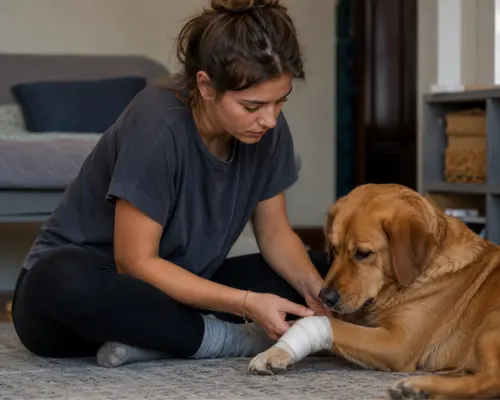
If you haven’t looked into it yet, check what dog insurance costs per month before assuming it’s out of budget. Most plans cost less per month than a single vet visit co-pay. The catch is you have to sign up before the injury happens. Pre-existing conditions and recent incidents are not covered.
Some insurance plans also cover routine wellness care alongside emergencies. If you want both, it’s worth understanding what dog vet visit insurance and wellness coverage actually includes before choosing a plan.
Why Gentle Dogs Still Get Hurt
There’s this idea that a calm, easy-going dog is somehow less likely to get injured. It’s not true.
A gentle dog still runs through a yard with sharp fencing. Still gets jumped by a neighbor’s dog. Still steps on something during a morning walk. Still gets hit by a car because a leash slipped.
The bigger risk with calm dogs is that they don’t make a fuss. They sit quietly with a wound that’s getting worse. They don’t whine or act dramatic. So the owner doesn’t notice right away.
Check your dog after every outdoor session. Run your hands along their body. Feel for anything wet, warm, or matted. Don’t just assume a gentle dog would tell you if something was wrong.
Preventing Severe Wounds When You Can
You can’t prevent everything. But you can reduce the chances.
- Walk through your yard every few weeks and look for sharp edges, broken wire, or exposed nails
- Keep your dog on a leash around dogs you don’t know well
- Supervise dog-to-dog play even between familiar animals
- Check paws, legs, and belly after hikes or time in tall grass
- Keep fur trimmed around paws so small wounds don’t stay hidden under matting
If you catch something early, it’s usually cheaper and simpler to treat. A small clean cut handled the same day is very different from a wound that sat for 24 hours.
How Pet Insurance Changes the Way You Handle an Emergency
There’s a pattern vets see all the time. An owner comes in with a hurt dog. The vet explains what needs to happen. The owner asks how much it costs before they ask if the dog will be okay.
That’s not a character flaw. That’s what happens when you don’t have a plan.
The advantages of pet insurance aren’t just financial. They change how you think in a crisis. Owners with coverage make faster decisions. They agree to the recommended treatment instead of asking what the cheaper version looks like. That speed often directly affects the outcome.
Insurance also removes a specific kind of guilt that comes with choosing a lesser treatment because of cost. Nobody should have to feel that way about their dog.
If you own a larger or more active breed, looking at something like Siberian Husky pet insurance gives you a realistic picture of what breed-specific coverage costs and what it actually pays out. Bigger dogs, more active lifestyles, and certain breed health profiles all affect pricing and plan options.
FAQ
What should I do if my dog has a severe wound and I can’t get to a vet immediately?
Press a clean cloth firmly against the wound and hold it there. If it soaks through, don’t lift it. Add more cloth on top and keep pressing. Keep your dog as still and calm as possible, wrap them in a blanket if they’re shaking, and get to an emergency vet clinic as fast as you can.
How do I know if a dog bite wound needs emergency treatment?
Every bite wound from another animal needs a vet visit. Even a small puncture. Teeth push bacteria deep into tissue and the surface heals over while infection builds underneath. Don’t judge a bite wound by how it looks on the outside.
Can I clean my dog’s wound at home before going to the vet?
You can rinse it with clean water to remove obvious dirt. That’s about it. Skip the hydrogen peroxide and alcohol, both damage tissue and actually slow healing. Then get to the vet. Home cleaning isn’t a substitute for proper wound irrigation.
How long does recovery from a severe wound take?
Minor cuts can heal in a week or two. Deeper wounds that needed surgery, drains, or had infection involved can take four to six weeks or more. Your vet will give you a timeline based on what they actually saw inside the wound.
Will my dog need anesthesia for wound treatment?
Most serious wound treatments require sedation or full anesthesia. The vet needs the dog completely still to clean and close properly, and the dog needs to be pain-free during the process. It’s standard and necessary.
Is pet insurance worth it for emergency situations like this?
If you’ve ever looked at an emergency vet estimate and felt your stomach drop, yes. Serious wound care can cost thousands of dollars. Insurance that covers accidents means you’re making decisions based on what’s best for your dog, not just what you can afford right now.
Taking Care of the Dog in Front of You
This gentle dog made it because his owner didn’t wait. They didn’t Google symptoms for an hour. They picked the dog up and drove.
The vet team did the rest. But none of that works if the dog doesn’t get there in time.
Learn what a serious wound looks like. Know where the nearest emergency vet clinic is before you need it. And seriously consider pet insurance now, not after something happens. It won’t undo a bad situation, but it means you won’t have to choose between your dog’s health and your bank account when you’re already in one.
