






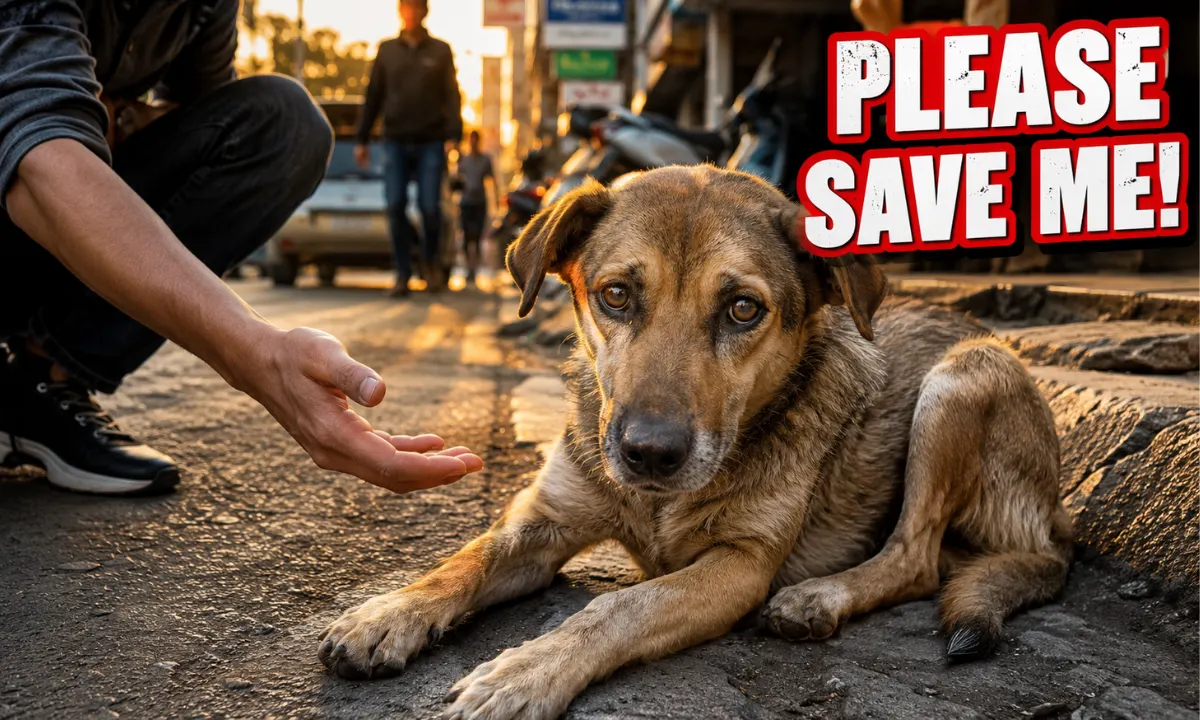
There’s a particular kind of dog that goes through something awful and still wags its tail at every stranger who walks by. That’s the dog this story is about. A severe wound, the kind that could have gone very badly, healed because the treatment came fast enough.
It’s worth talking about why, not just because it’s a nice story. A wound like this either gets caught early, or it doesn’t, and that single difference shapes everything after.
What Makes a Wound “Severe”
So what makes a wound “severe”? Basically, any injury that’s gone past the surface. Deep cuts, punctures, bite wounds, or a smaller cut left alone too long and starting to break down. These aren’t wounds you handle with a cotton ball at home.
A vet needs to look underneath to check how far the damage goes and whether it needs stitches, a drain, or antibiotics. A wound that looks minor on day one can turn into a real infection by day two or three if nobody’s paying attention.
How Wounds Like This Usually Happen
There’s no single cause. Some dogs get hit by cars. Others snag themselves on a fence, get into a fight, or wander somewhere they shouldn’t while no one’s watching.
Why Strays Are More at Risk
Strays have it worse, honestly. A dog with no one checking on it daily can carry an injury for days before anyone even notices something’s wrong. We’ve covered a similar case in our story about an abandoned puppy’s emergency rescue and treatment, where exactly that kind of delay almost changed the outcome.
Common Causes
A few of the more common culprits:
- Fights with other animals
- Vehicle accidents
- Sharp edges, glass, fencing, that kind of thing
- A small cut that got infected because it was never cleaned
- Pressure sores in dogs kept chained or confined too long
Knowing When It’s an Emergency
Recognizing the warning signs early can save a dog’s life. If a dog is bleeding heavily and it won’t stop, that’s an emergency, full stop. According to VCA Animal Hospitals’ overview of common emergencies in dogs, bite and fight wounds need immediate veterinary attention whenever a lot of blood has been lost or bleeding won’t stop with direct pressure.
Red Flags Worth Taking Seriously
- Bone, muscle, or tissue you can actually see
- Swelling, heat, or a smell coming from the area
- A limp, or refusing to put weight on a leg at all
- Acting unusually tired, shaky, or skipping meals
- A wound that looks worse today than it did a couple days ago
If even one of these shows up, don’t wait it out. A day of “let’s see how it looks tomorrow” is sometimes the difference between a quick fix and a much bigger problem.
What Treatment Actually Looks Like
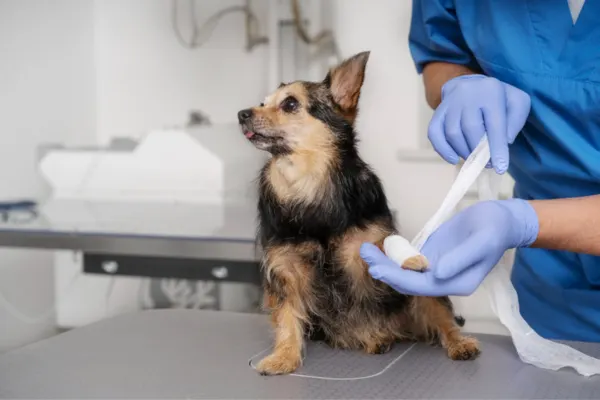
Once a dog gets to the vet, the process is methodical. If there’s shock or heavy blood loss, the vet stabilizes that first. Then comes cleaning, which is more involved than people expect. Dirt, dead tissue, and bacteria all need to come out before healing can start.
What Treatment Might Include
Depending on depth, treatment might include stitches or staples, a drain if fluid is building up, sedation and pain control during cleaning, and antibiotics to keep infection from setting in. Nothing exotic about it, just consistency and speed.
Why Every Day Without Treatment Matters
Bacteria don’t wait around. They multiply fast, especially somewhere warm and exposed like an open wound. A few days without care, and what started as a localized problem can turn into something that spreads through the bloodstream.
This is exactly why strays and abandoned dogs so often show up at shelters worse off than they need to be. Nobody found them in time, simple as that. When someone steps in quickly, the outcome usually flips in the dog’s favor.
Getting Through Recovery
Healing isn’t a one-visit fix. Most dogs go back so the vet can check progress and swap bandages.
What Owners Are Usually Told to Do
Owners are generally told to keep the area clean and dry, watch for new swelling or discharge, stop the dog from licking at it, keep activity low, and finish out any medication completely, even once things look fine.

The cone is never anyone’s favorite part, but it does exactly what it’s supposed to do. It keeps the wound protected while everything underneath does the work of healing.
What It Costs, and Why Insurance Comes Up
Emergency wound care isn’t cheap. The bill depends on depth, whether surgery’s involved, and how long the dog needs monitoring. Add in sedation, imaging, stitches, and medication, and the number climbs fast. If you want a clearer picture of what to expect, our breakdown of emergency vet costs in the USA walks through typical price ranges by procedure.
Where Pet Insurance Fits In
This is where pet insurance tends to come up. A policy covering accidents and emergency treatment can ease the financial pressure when something like this happens out of nowhere. Without it, owners are often stuck deciding, mid-crisis, whether they can afford care right then. Our guide on vet visits, insurance, and wellness coverage for dogs is a good next read if you’re weighing options before anything happens.
Looking into coverage before anything happens, rather than after, gives owners more room to act fast when it counts.
Lowering the Odds of This Happening
No one can prevent every accident, but a few habits cut down the risk. Keep dogs leashed or supervised outside. Fix fencing before it becomes a hazard, not after. Keep dogs separated if they don’t get along. And run your hands over your dog every so often. Small cuts are easy to miss until they aren’t small anymore.
It takes a few minutes and can save a lot of trouble down the line.
Frequently Asked Questions
How do I know if my dog’s wound needs a vet instead of home care?
If it’s deep, won’t stop bleeding, or shows swelling and a smell, get to a vet. Surface scrapes can often be handled at home, but anything beyond that needs a professional look.
Can I clean the wound myself before getting to the vet?
A gentle saline rinse and a loose covering to slow bleeding is fine. Skip the alcohol or hydrogen peroxide, since both can damage healthy tissue.
How long does healing usually take?
Most wounds heal in two to four weeks with proper care. Deeper injuries or anything needing surgery can take longer than that.
Will antibiotics be necessary?
Often, yes, especially if the wound is deep or already showing signs of infection. It really comes down to what the vet sees when they look at it.
Is it normal for a dog to seem withdrawn after something like this?
Yes. Pain, stress, and lingering sedation can make a dog quieter than usual for a few days. If it drags on longer than expected, mention it to your vet.
How can I tell healing is actually going well?
Less swelling, cleaner-looking edges, and new pink tissue forming are all good signs. Ongoing redness, discharge, or smell mean it’s time to call the vet again.
The Takeaway
What this dog went through is a reminder that severe wounds are genuinely serious, but they’re also treatable when the timing is right. Fast treatment, careful aftercare, and an owner who’s paying attention can turn something frightening into a full recovery.
Pet insurance can make that timing easier too, since cost shouldn’t stand between a dog and the care it needs. Knowing the signs, and not waiting once you see them, is really where it starts.
