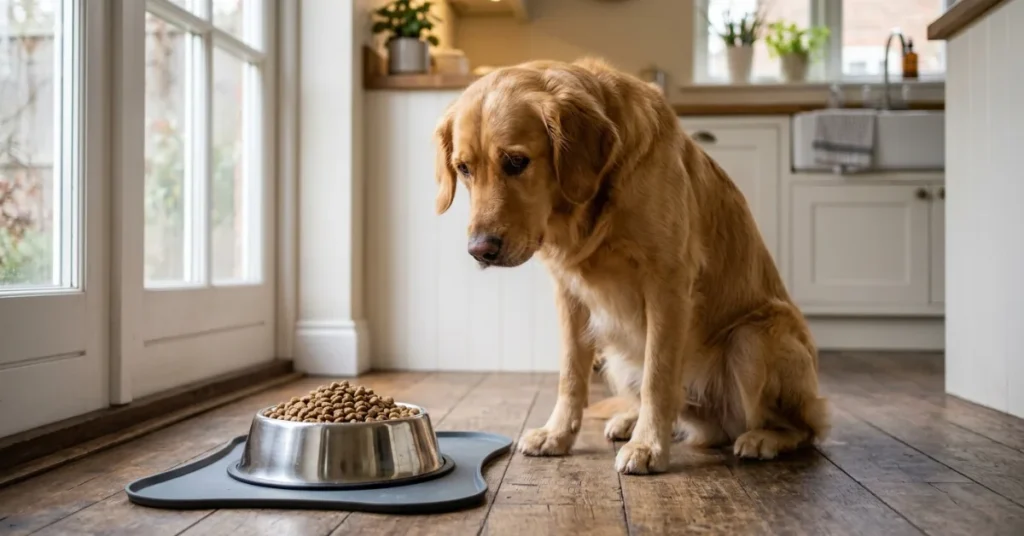

If your dog skipped a meal, you probably felt that quick knot of worry in your stomach. Dogs are creatures of habit, and a sudden loss of appetite almost always means something is off. The good news is that most cases are not emergencies. But some are, and knowing the difference matters.
In this article, you will learn the real reasons dogs stop eating, how to tell when it is serious, and what steps to take right now to help your dog feel better.
Quick Answer: A dog not eating can be caused by digestive upset, dental pain, stress, a new food, illness, or a change in routine. If your dog skips one meal but drinks water and acts normally, wait 24 hours. If your dog refuses food for more than 48 hours, shows vomiting, diarrhea, or lethargy, contact your vet right away.
Why Is My Dog Not Eating? The Most Common Causes
1. Stomach and Digestive Problems
This is the number one reason dogs stop eating. An upset stomach from eating something bad, constipation, gas, or a blockage from swallowing a foreign object can all kill a dog’s appetite fast.
Dogs with gastrointestinal issues often also show signs like:
- Dry heaving or vomiting
- Loose stools or no stools at all
- Bloating or a distended belly
- Licking lips repeatedly
A swallowed toy, sock, or bone fragment is a serious concern. If you suspect a blockage, do not wait. Go to the vet immediately.
2. Dental Pain
Many dog owners never consider this, but a cracked tooth, loose molar, or infected gum can make chewing extremely painful. Your dog is not being picky. It simply hurts to eat.
Watch for these signs of dental issues:
- Dropping food from the mouth
- Chewing only on one side
- Bad breath that is worse than usual
- Swelling around the jaw or cheek
Dogs rarely show pain openly. A refusal to eat is often the only clue that something is hurting in their mouth.
3. Stress and Anxiety
Dogs are sensitive animals. Any change in their environment can trigger stress-related appetite loss. This is more common than most people realize.
Common triggers include:
- Moving to a new home
- A new baby or pet in the house
- Loud construction or renovation noise
- A change in your work schedule
- The absence of a familiar person
The appetite usually returns once your dog adjusts. But if it goes on for more than two to three days, a vet visit is a good idea to rule out other causes.
4. A New or Changed Food
Switching foods too quickly is a very common mistake. A dog’s digestive system needs time to adjust. If you changed brands or flavors recently, that could be the reason your dog is refusing the bowl.

Also check:
- Is the food expired or spoiled?
- Does the bag smell normal?
- Did you switch from wet to dry food suddenly?
A gradual transition over 7 to 10 days, mixing old and new food, prevents most food-related appetite issues. You can also check which human foods are safe or unsafe for dogs to make sure nothing harmful has made its way into your dog’s diet.
5. Illness and Underlying Medical Conditions
Sometimes a dog stops eating because the body is fighting something serious. Conditions that commonly reduce appetite include:
- Kidney disease or liver problems
- Pancreatitis
- Parvovirus (especially in unvaccinated puppies)
- Cancer
- Heartworm disease
- Hormonal disorders like Addison’s disease or hypothyroidism
These conditions need professional diagnosis. You cannot identify them at home. If your dog is also losing weight, seems weak, or has other symptoms alongside not eating, see a vet without delay.
6. Pain From Joints or Injury
Some dogs stop eating because standing over a food bowl is painful. This is more common in older dogs with arthritis, hip dysplasia, or dogs recovering from an injury or surgery.
If your dog seems reluctant to lower its head to eat, try an elevated food bowl. Sometimes a small change like that brings the appetite back immediately.
7. Medications and Vaccines
Did your dog just start a new medication? Many common drugs list reduced appetite as a side effect. Recent vaccinations can also cause temporary appetite loss for 24 to 48 hours. This is normal and usually resolves on its own.
If appetite loss continues beyond 48 hours after a vaccine or new medication, call your vet to discuss alternatives.
8. Cognitive Decline in Senior Dogs
Older dogs sometimes experience cognitive dysfunction syndrome, which is similar to dementia in humans. They may forget to eat, lose interest in food, or seem confused at mealtimes.
If your senior dog seems disoriented, wanders aimlessly, or has a reduced appetite, it may be experiencing age-related cognitive changes. Consulting your veterinarian can help identify the cause and determine the best support options. For more information, read this senior dog care resource.
Puppies Not Eating: What Makes It Different
Puppies are more vulnerable than adult dogs. A puppy that skips even one meal deserves more attention.
Puppies can become hypoglycemic (low blood sugar) quickly when they stop eating. Signs of this include shaking, weakness, and confusion. This is a medical emergency.
Puppies are also at higher risk for parvovirus, a life-threatening disease. Vomiting, bloody diarrhea, and loss of appetite together in a puppy mean go to the emergency vet now.
Do not take a wait-and-see approach with a puppy that is not eating.
When to Call the Vet
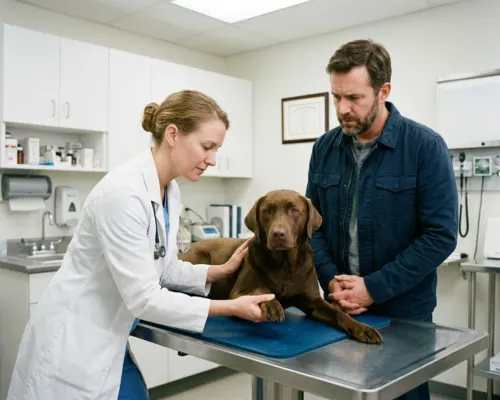
Here is a simple guide to help you decide:
Wait 24 hours if your dog:
- Skipped one meal but is drinking water
- Is acting normally, playing, and not showing other symptoms
- Recently had a vaccine
Call the vet within 24 hours if your dog:
- Has not eaten for more than 48 hours
- Is also vomiting or has diarrhea
- Is a puppy or senior dog
- Has a known health condition like diabetes
Go to the emergency vet immediately if your dog:
- Has a bloated or hard belly
- Is retching without vomiting anything
- Is extremely weak or cannot stand
- Appears to be in pain
Practical Tips to Get Your Dog Eating Again
Before you call the vet, you can try a few things at home for mild cases.
- Warm the food slightly. Heating food to body temperature releases more aroma and often makes it more appealing.
- Add low-sodium chicken broth. A small pour over dry kibble can encourage a picky eater.
- Try hand feeding. Sometimes dogs eat better when food comes directly from your hand.
- Remove distractions. Feed your dog in a calm, quiet space away from other pets.
- Check the bowl. Some dogs dislike metal bowls due to their reflection or smell. Try a ceramic or glass bowl.
- Stick to a feeding schedule. Free-feeding can reduce appetite. Set meal times and pick up the bowl after 20 minutes.
Avoid forcing your dog to eat or offering too many treats as a substitute for meals. This can reinforce picky behavior and make the problem worse over time.
FAQ: My Dog Is Not Eating
How long can a dog go without eating? A healthy adult dog can survive 3 to 5 days without food but should not be left to go that long without a vet evaluation. After 48 hours of not eating, contact your vet.
My dog is not eating but is drinking water. Should I worry? Drinking water is a good sign. It means your dog is not completely shut down. Monitor closely for 24 hours. If appetite does not return, call your vet.
My dog stopped eating after a new food. What should I do? Switch back to the previous food if possible. Then transition slowly over 7 to 10 days by mixing old and new food in gradual proportions.
Can stress cause a dog to stop eating completely? Yes. Stress and anxiety are leading causes of appetite loss in dogs. If a recent change in environment coincides with your dog not eating, this is likely the cause.
Is it normal for older dogs to eat less? Senior dogs often have slightly reduced appetites, but a sharp drop in food intake is not normal. It can signal dental pain, organ disease, or cognitive decline and should be checked by a vet.
Should I give my dog human food to get it eating again? Some plain human foods are safe as a short-term appetite stimulant, like boiled chicken or plain rice. However, many human foods are toxic to dogs. Always check what is safe before offering anything new.
Conclusion
A dog not eating is your dog’s way of telling you something is wrong. Most of the time it is minor, like a mild stomach upset or stress from a change at home. Other times it points to something that needs medical attention.
Pay attention to how long it has been, what other symptoms are present, and whether your dog is still drinking water. These three things will guide your next step.
When in doubt, call your vet. It is always better to check and find nothing serious than to wait and miss something important.