


If you’ve started looking at Maine Coon kittens for sale, you’ve probably noticed the prices are all over the place. Some breeders list kittens for $1,500, others ask for $6,000, and you’re left wondering what’s actually fair. This guide breaks down exactly what affects the price, what you should get in return, and what it really costs to keep one of these gentle giants once they’re home with you.
How Much Does a Maine Coon Cat Cost?
A Maine Coon kitten from a reputable, registered breeder in the U.S. typically falls between $1,500 and $6,000. Most pet-quality kittens, the standard colors without anything rare, land closer to $2,000 to $3,500. If you’re after a kitten with a rare coat color, blue eyes, or extra toes (polydactyl), expect that number to climb past $5,000. Rescue adoption is also an option, usually $100 to $400, though it’s worth knowing that true purebred Maine Coons rarely end up in shelters.
Maine Coon Kitten Price by Type
Not every Maine Coon is priced the same way. Breeders factor in pedigree, coat color, eye color, and whether breeding rights are included.
| Kitten Type | Price Range |
|---|---|
| Pet-quality (standard colors) | $1,500 – $3,500 |
| White with green/yellow eyes | $4,000 – $4,500 |
| White with blue eyes | $4,500 – $5,000 |
| Polydactyl (extra toes) | $4,000 – $5,500 |
| Blue-eyed (non-white coat) | $5,500 – $6,500 |
| Show/breeding rights | Add $1,500 – $2,500 |
Breeding rights are almost always sold separately, and most catteries include a spay or neuter contract since the kitten is intended for a pet home, not future breeding.
What Drives the Price of a Maine Coon?
A higher price tag doesn’t automatically mean a better kitten, and a lower one doesn’t always mean a bargain. What actually justifies the cost is where the kitten came from, what health testing was done, and a handful of physical traits that buyers tend to want most.
Breeder Reputation and Certification
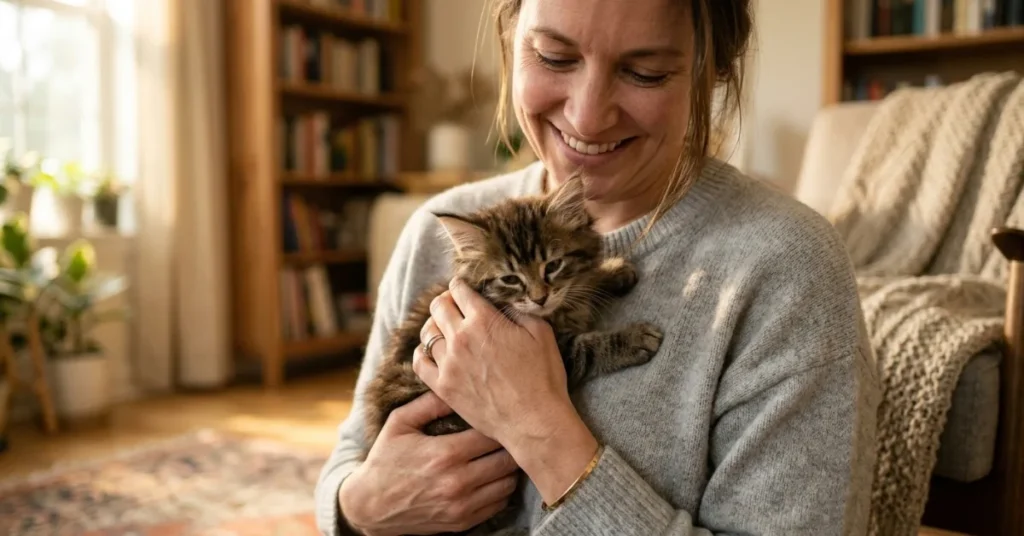
Catteries registered with TICA (The International Cat Association) or CFA (Cat Fanciers Association) tend to charge more, and there’s a reason for that. Getting registered isn’t just paperwork. It usually reflects years of careful breeding, proper socialization of kittens, and consistent health screening of the parent cats.
One test that matters more than most is DNA screening for Hypertrophic Cardiomyopathy. Cornell University’s Feline Health Center lists HCM as one of the most common heart conditions seen in cats, and Maine Coons are among the breeds most affected. Catching it early through genetic testing makes ongoing treatment and monitoring far more manageable, both for the cat and for your wallet. If a breeder skips this test, that’s not a small shortcut, it’s a major one.
Coat Color and Eye Color
Show Image
White Maine Coons with blue eyes sit at the top of the price scale, and it’s mostly about genetics. The blue-eye gene is uncommon on its own, and pairing it with a Maine Coon’s coat makes that combination rare enough that breeders price it accordingly. Blue eyes on any coat color other than white usually push the price above $5,500. On the other end, tabby, bicolor, and black Maine Coons tend to be the most affordable simply because those colors show up far more often in litters.
Pedigree and Bloodlines
European bloodlines, particularly those imported from Russia or Eastern Europe, generally cost more. These lines tend to produce cats with heavier bone structure, a fuller facial ruff, broader muzzles, and thicker double coats, which is exactly the look most premium U.S. catteries are working toward. Importing or breeding from these lines takes time and money, and that cost gets reflected in the kitten’s price.
A three-generation pedigree certificate isn’t impossible to fake, but it’s much harder than faking a basic registration paper. If a breeder can show documented lineage going back several generations, that’s a strong sign the kitten is what they say it is. Without that paperwork, you’re really just taking their word for it. For a wider look at how Maine Coons stack up against other breeds price-wise, this cat breed price guide covers more than 100 breeds side by side.
Location and Delivery
Where you live matters too. A kitten from a cattery in California or New York will usually cost more than an identical-quality kitten from a small breeder in the Midwest. Higher cost of living for the breeder tends to translate into higher prices across the board, even for kittens of the same quality and lineage.
On top of that, delivery adds to the final bill. Some breeders charge by the mile for ground transport, while others arrange “nanny flights,” where someone from the airline travels in the cabin with the kitten to make sure it’s safe and calm the whole way. Ground delivery is usually cheaper but takes longer, while nanny flights cost more but get the kitten to you faster and with less stress.
What Can You Expect with the Purchase Price?
A higher price from a reputable breeder usually comes with more than just the kitten itself. Here’s what’s typically included:
- Registration with TICA or CFA
- A vet-signed health certificate
- Vaccination and deworming records
- DNA health test results for both parents
- A health guarantee covering genetic conditions, usually 1 to 5 years
- Microchipping under the new owner’s registration
- A spay or neuter contract
Some breeders also send kittens home with a blanket or toy that carries the scent of their mother and littermates. It sounds like a small touch, but for a young Maine Coon adjusting to a new home, that familiar smell can genuinely help reduce stress during the first few days.
What Warning Signs Should You Look For When Buying a Maine Coon?
A low price isn’t always a deal, and sometimes it’s a warning. If someone is offering a Maine Coon for $500 to $800 with no health records, no registration paperwork, and no vet certificate, treat that as a red flag rather than a lucky find.
Watch out for these signs:
- No DNA test results for either parent
- Several kittens listed for sale at once, which can point to a kitten mill
- The seller won’t show you the breeding environment or do a video call
- Pressure to pay quickly with no written or verbal contract
- No health guarantee of any kind
Buying from an unverified seller increases the odds you’ll end up with a mixed-breed cat, or one with health issues that lead to repeated vet visits down the line. A breeder who’s confident in their cats won’t rush you, and they’ll usually be happy to answer every question you throw at them.
Annual Cost of Owning a Maine Coon
The purchase price is really just the entry fee. Maine Coons are big cats with bigger needs, so it helps to know what you’re budgeting for each year.
| Expense | Estimated Cost per Year |
|---|---|
| High-quality cat food | $600 – $1,200 |
| Routine vet visits | $300 – $600 |
| Pet insurance | $300 – $700 |
| Grooming tools and professional grooming | $100 – $300 |
| Litter | $200 – $400 |
| Toys | $100 – $200 |
| Scratchers and cat furniture | $50 – $150 |
| Total estimated cost per year | $1,650 – $3,550 |
One thing that surprises a lot of new owners is how dog-like Maine Coons can be. They’ll follow you from room to room, pick up tricks easily, and some genuinely enjoy a game of fetch. That activity level means they do better with a larger litter box and a sturdy scratching post built for their size. If keeping up with brushing two or three times a week feels like a lot, booking a cat spa session every so often is a practical way to handle de-shedding and nail trims without it becoming a wrestling match at home.
Pet Insurance for Maine Coons
Maine Coons are genetically predisposed to a couple of conditions worth taking seriously, mainly hip dysplasia and HCM. Both can lead to expensive ongoing treatment, which is exactly why pet insurance is worth considering for this breed specifically, not just as a nice-to-have.
Monthly premiums usually run between $25 and $60, depending on the plan, your location, and how old your cat was when you signed up. Insuring early, while your cat is still a kitten, almost always works out cheaper and avoids the pre-existing condition exclusions that come with insuring an older cat. Some breeders even include free coverage for the first 30 days, giving you a short window to shop around before committing. If you’re trying to figure out which provider actually offers the best value, this pet insurance buyer’s guide breaks down coverage options and pricing across the major U.S. companies.
Is It Better to Adopt or Buy From a Breeder?
Adopting a Maine Coon typically costs $100 to $400, but it’s worth setting expectations here. Purebred Maine Coons almost never end up in shelters, and most cats labeled “Maine Coon mix” are exactly that: mixes, usually without any health testing behind them.
If having a fully registered, health-tested Maine Coon matters to you, going through a reputable breeder is the more reliable route. But if you’re open to an adult cat that’s part Maine Coon and just needs a home, adoption is an affordable and meaningful way to go. Neither option is wrong, it really comes down to what you’re looking for.
Frequently Asked Questions
Why are Maine Coon cats so expensive?
A lot of it comes down to the breeder. Responsible breeding involves genetic health testing, regular vet checks, and years of experience, all of which cost money. Combine that with high demand and a relatively small pool of ethical Maine Coon breeders, and prices stay elevated.
Is a Maine Coon a good family pet?
Yes, generally. Maine Coons are known for being social and easygoing, which makes them a solid fit for households with kids and other pets. They tend to be playful without being overly demanding.
How big do Maine Coon cats get?
They’re the largest domestic cat breed. Males often weigh 13 to 18 pounds, with some topping 20, while females usually settle between 8 and 12 pounds. Most Maine Coons don’t reach full size until they’re 3 to 5 years old. For perspective, our cat years to human years chart shows what a 5-year-old cat is in human years.
What health problems are Maine Coons prone to?
HCM, spinal muscular atrophy, and hip dysplasia are the three most commonly associated with this breed. Buying from a breeder who DNA tests for these conditions lowers your risk significantly, but annual vet checkups remain important regardless.
How long do Maine Coons live?
With good care, 12 to 15 years on average. Indoor cats tend to live longer simply because they’re not exposed to traffic, predators, and other outdoor risks that can shorten a cat’s life.
How much grooming do Maine Coons require?
Plan on brushing 2 to 3 times a week. Their coat doesn’t mat as quickly as some long-haired breeds, but the length still means regular brushing is necessary to keep it healthy and tangle-free.
Closing Comments
Bringing a Maine Coon home means budgeting for two things: the upfront cost, somewhere between $1,500 and $6,000 depending on what you’re after, and the ongoing costs of food, vet care, insurance, and the occasional new toy. In exchange, you get a cat that bonds closely with its family and genuinely enjoys being part of the household.
The best way to avoid costly surprises is choosing a breeder who does things right from the start. A little extra spent upfront on a health-tested, properly registered kitten almost always saves money, and stress, down the road.