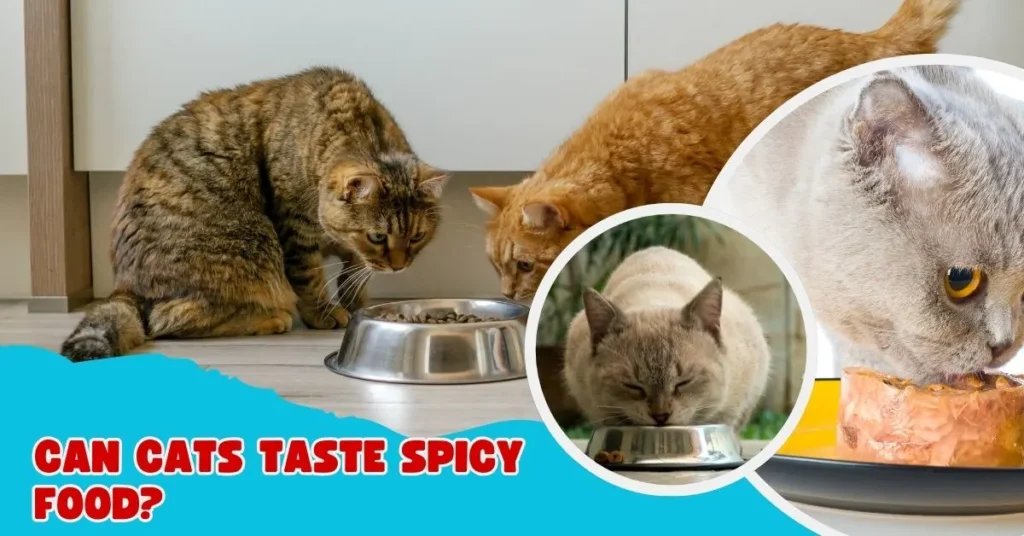


Cats cannot taste spicy food, because “spicy” is not a taste at all. Heat is a pain signal, not a flavor, and it travels through a receptor called TRPV1 that cats do possess, according to Martie Allen, a veterinary researcher. So a cat that steals a bite of curry does not experience the flavor you enjoy; it experiences a burning sensation with none of the payoff, and then it walks away offended.
The burn is uncomfortable but rarely the actual danger. What sends cats to the vet after a spicy meal is almost never the chili. It is the onion and garlic underneath it.
Spicy Is Not a Taste
Mammals detect five tastes: sweet, salty, sour, bitter, and umami. Spice is not on the list. Capsaicin, the compound that makes chilies hot, does not bind to a taste receptor; it binds to a heat-and-pain receptor in the mouth, throat, and skin. Your brain reports “hot” because the same receptor fires when you touch something genuinely scalding.
That receptor is TRPV1, and it is why the sensation is described as burning rather than tasting. Humans learn to enjoy the false alarm. Cats do not.
Do Cats Have Capsaicin Receptors?
Yes. Cats are mammals, and TRPV1 is standard mammalian equipment, so a cat exposed to capsaicin registers the same burning pain a human does. It just has no cultural framework that makes the pain fun.
The contrast that proves the mechanism is birds. Their version of TRPV1 does not respond to capsaicin at all, which is why chili-treated birdseed feeds cardinals happily while squirrels leave it alone. Capsaicin evolved as a defense against mammals chewing seeds, and birds, which swallow seeds whole and spread them, were left off the target list. Your cat is squarely on it. Dogs carry the same receptor but behave differently around heat, which we cover in can dogs taste spicy food.
What Happens When a Cat Eats Something Spicy
The reaction is fast and unmistakable. Watch for pawing at the mouth, excessive drooling, head shaking, backing away from the bowl, frantic water-seeking, and lip smacking. Some cats sneeze or squint if capsaicin oil gets near the eyes or nose.
A single lick of something mild usually ends there, with an annoyed cat and no lasting harm. Larger amounts move down the digestive tract and cause vomiting, diarrhea, and abdominal discomfort over the following hours, because a cat’s gut has no adaptation for irritant plant compounds.
The Real Danger Is Not the Heat
Here is the part most owners get backwards. Spicy human dishes are built on aromatics, and the ASPCA’s list of people foods to avoid puts onions and garlic near the top for cats: they damage red blood cells and can cause anemia, and cats are more sensitive to them than dogs.
Almost every spicy dish a cat could raid contains one or both. Curry, salsa, chili, stir fry, hot wings, spicy noodles. The capsaicin makes your cat uncomfortable for an hour; the onion powder in the same spoonful is the thing that can do real damage, and it does so quietly, over days.
Salt and fat are the third problem. Restaurant-grade sodium and grease in a small animal cause dehydration and, in rich foods, pancreatitis.
Common Spicy Foods, One by One
| Food | Verdict | Why |
|---|---|---|
| Jalapeño or chili pepper | Avoid | Burning pain, stomach upset; no nutritional reason to offer it |
| Curry | Avoid entirely | Onion and garlic base, not the spice, is the toxic part |
| Hot chips and spicy snacks | Avoid entirely | Capsaicin plus salt, onion powder, and garlic powder in one bite |
| Bell pepper (sweet, no heat) | Harmless in a nibble | No capsaicin; not useful food for an obligate carnivore either |
| Black pepper | Mild irritant | Different compound (piperine); causes sneezing more than pain |
Safe and Toxic Seasonings
Toxic, no amount is fine: onion, garlic, shallot, leek, chive, and any powdered form of them, which are more concentrated than fresh. Nutmeg and cocoa also belong on the never list.
Neutral in trace amounts, meaning a cat that licks a plate is fine: basil, parsley, rosemary, thyme, and small quantities of ginger. None of them benefit a cat, so there is no reason to add them deliberately; the point is that a stray leaf is not an emergency.
What to Do If Your Cat Ate Something Spicy
For a lick or a crumb of plain chili heat: offer fresh water, do not force it, and watch for an hour. Most cats sulk and recover.
Call a vet if the food contained onion or garlic in any form, if vomiting or diarrhea persists past a few hours, if your cat becomes lethargic, or if gums look pale, which points at the blood-cell damage that onion toxicity causes. Bring the packaging or recipe; the ingredient list matters more than the heat level. If refusing food continues beyond a day, our guide on appetite loss in pets covers when that becomes its own problem.
FAQ: Cats and Spicy Food
Can cats taste spicy food?
No. Spice is not a taste, it is a pain signal, and cats detect it through the TRPV1 receptor as burning rather than flavor. They register the discomfort without any of the sensation humans find pleasurable.
Can cats eat spicy food safely?
No, and the reason is usually the ingredients around the spice rather than the spice itself. Onion and garlic, standard in nearly every spicy dish, are toxic to cats even in powdered form.
Why does my cat seem to like spicy food?
Cats are drawn to the fat, salt, and meat in the dish, not the heat, and their sense of smell reaches the food long before the capsaicin does. A cat lunging at your curry is chasing the chicken, not the chili.
Is cat hot sauce a real deterrent?
Spraying capsaicin on furniture or plants to stop chewing works inconsistently and is unkind, since it causes genuine pain rather than mild dislike. Physical barriers and scent deterrents cats naturally avoid, like citrus, do the same job without hurting them.