
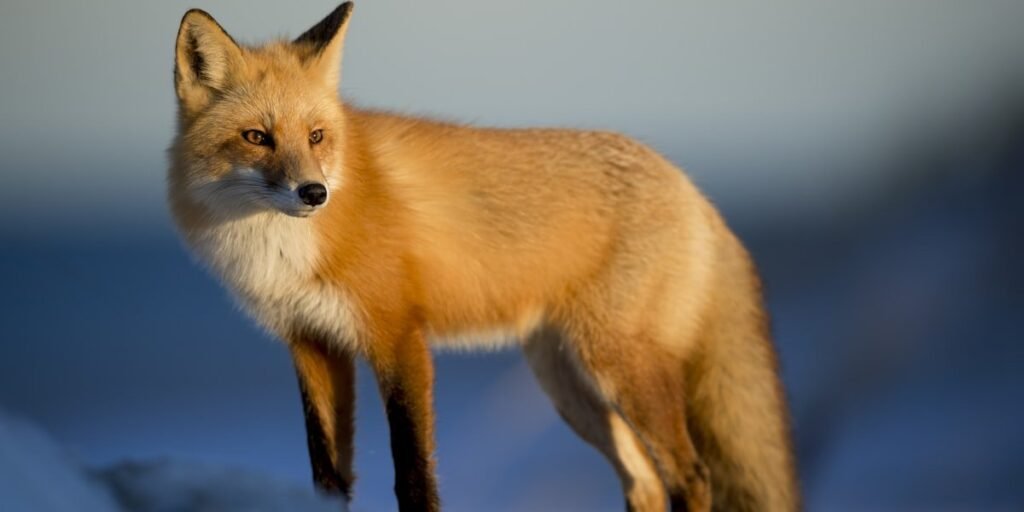

Foxes eat small mammals, birds, insects, earthworms, carrion, fruit, and whatever a human neighbourhood leaves unsecured. They are omnivores with a strong preference for meat, not obligate carnivores like cats, and that flexibility is the whole story of why a fox can live in a Nebraska prairie and a London back garden with equal success.
Mice and voles form the backbone of that diet and everything around them is opportunism. What shifts is the proportion, and it moves with the season, with the species of fox, and with how close the animal lives to people.
The Core Diet: Meat First, Then Everything Else
A wild fox spends most of its hunting time on rodents. Field mice and voles are small, abundant, and catchable by one animal working alone, which suits a predator that does not hunt in packs. The famous high pounce, front paws together, nose down, exists to break through grass or snow onto a mouse it heard but never saw.
Around that core sits everything a fox can catch or find:
- Small mammals: voles, mice, rats, young rabbits, squirrels, moles
- Birds and eggs: ground-nesting birds, pigeons in cities, poultry given the chance, which puts foxes in direct competition with the owls hunting the same fields
- Invertebrates: earthworms, beetles, crane flies, grasshoppers
- Amphibians and reptiles: frogs, lizards, the occasional snake
- Carrion: roadkill and winter-killed deer, taken without hesitation
- Plants: blackberries, apples, plums, grapes, grasses
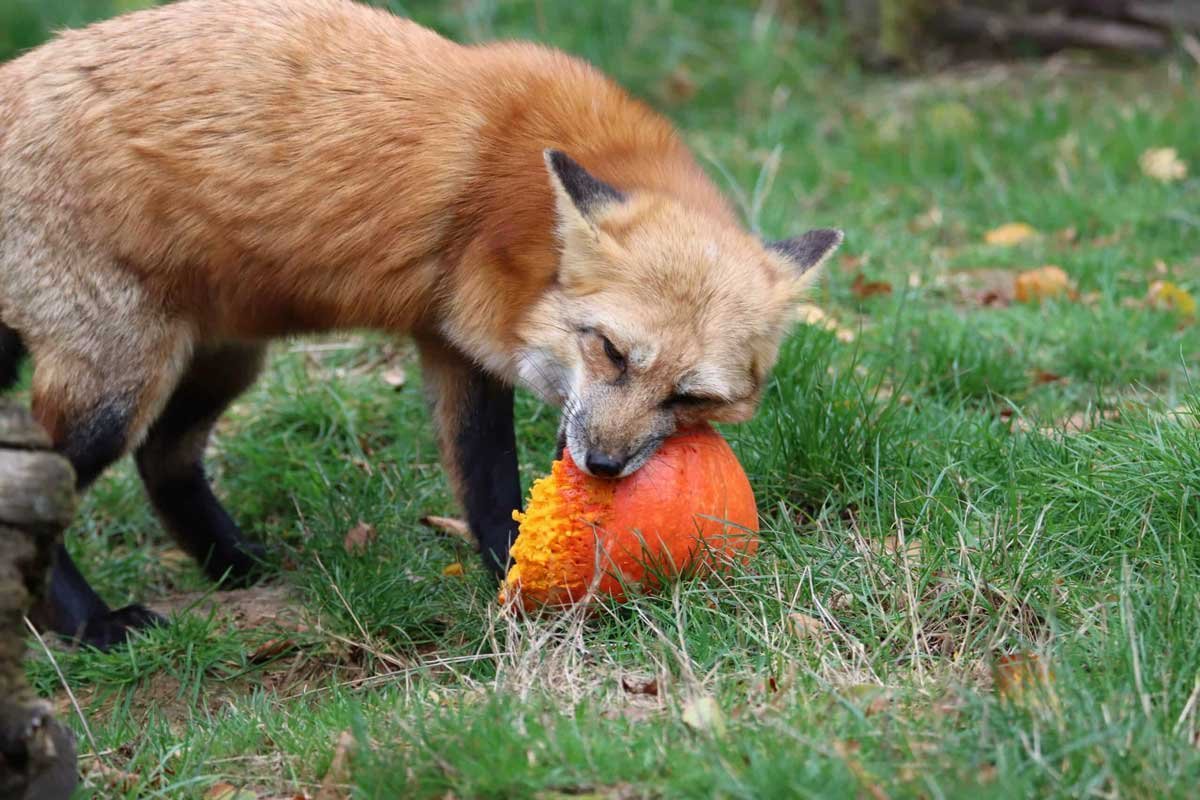
The plant fraction surprises people. In late summer a fox can be eating enough fruit that its droppings turn purple with berry skins. Adult red foxes span 4.9 to 30.9 pounds depending on subspecies and region, and an animal in that band fuelled purely by hunting would burn more than it gains on lean days. Fruit fills the gap.
Red, Arctic, and Fennec Foxes Eat Different Things
Almost every fox article describes the red fox and stops there. The genus is wider than that, and diet is where the species separate hardest.
Red foxes are the generalists described above, found across the northern hemisphere in nearly every habitat people occupy. Arctic foxes follow polar bears across sea ice to scavenge seal carcasses the bears abandon, and inland they live and die on lemming population cycles; in a lemming crash year, arctic fox litters fail outright. Fennec foxes, the desert species with the enormous ears, take much of their water from what they eat, working through insects, small rodents, and plant matter without a reliable water source.
Same family, three feeding strategies. When someone asks what foxes eat, the honest answer starts with which fox.
What Foxes Eat Season by Season
Fox diet rotates through the year instead of holding steady. Foxes eat whatever is peaking, so rodents and eggs dominate spring, insects and worms carry summer, autumn tips heavily toward fruit, and winter falls back on voles, carrion, and scavenging:
| Season | Diet leans toward | What drives it |
|---|---|---|
| Spring | Rodents, ground-nesting birds, eggs | Cubs need feeding; prey is breeding and exposed |
| Summer | Insects, earthworms, early fruit | Easy calories while rodent cover is thick |
| Autumn | Berries, apples, fallen fruit, caching | Fruit glut; surplus gets buried for later |
| Winter | Voles under snow, carrion, cached food, bins | Plants gone, hunting harder, scavenging pays |
Winter is where urban and rural foxes diverge sharply. A country fox listens for voles moving under snow and works roadkill. A city fox goes through refuse, takes food put out for other animals, and eats pet food left on doorsteps. Neither is starving in a well-provisioned town, which is why urban populations hold up through cold months that thin rural ones.
Caching: Why a Fox Buries Half of What You Give It
Foxes bury surplus food and come back for it. A fox that finds more than it can eat digs a shallow hole, drops the item in, and covers it with soil or snow using its nose. It then remembers the location well enough to retrieve it days later.
This behaviour explains a complaint that turns up constantly in gardens: neat conical holes appearing overnight in lawns and flower beds, sometimes in a neighbour’s garden two doors down. That is not digging for grubs. That is storage, and the food came from somewhere close by.
It also settles a practical question about feeding. Put out something a fox can carry, and it will carry it off and bury it, then return for more. Put out something it eats where it stands, and the transaction ends there.
What Do Baby Foxes Eat?
Fox cubs are born blind, deaf, and entirely dependent on their mother’s milk, much like puppies. They begin taking solid food at around four weeks old and are typically weaned by twelve weeks, at which point both parents bring prey back to the den.
The transition food is regurgitated or carried meat, torn small. Cubs that survive to autumn disperse and hunt independently, and their first solo months are the hungriest of their lives. A thin-looking young fox in September is a normal young fox in September.
If you find cubs alone, leave them. Vixens hunt for hours and cubs above ground with no adult in sight are being watched from cover more often than abandoned.
Do Foxes Eat Cats and Dogs?
Mostly no, and the arithmetic is the answer. A typical adult cat weighs close to what a fox weighs, and predators avoid fights with prey their own size. The Humane World for Animals guidance on foxes puts it plainly: an adult cat is almost the same size as a fox, and the animals at genuine risk are kittens and adult cats under five pounds.
Dogs face even less exposure. Most dogs are not at risk unless a fox perceives a threat to its cubs, though the same five-pound threshold applies to very small breeds left outside unsupervised.
Where foxes do cause loss is poultry. Chickens, ducks, and rabbits in outdoor hutches are prey-sized, contained, and unable to escape, which is a different situation from a cat that can climb a fence. Secure housing solves it; nothing else reliably does.
What Attracts Foxes to Your Yard
Four things, in rough order of pulling power: accessible food waste, pet food left outside, fallen fruit under trees, and a rodent population feeding on the first three. Compost heaps with cooked scraps, unsecured bins, and bird feeders that spill seed all qualify, since spilled seed breeds mice and mice bring foxes.
Shelter matters too. Decking, sheds, and dense shrubs give cover for a den site. The pattern is identical to the one that draws other urban scavengers, and if you have seen raccoons working the same bins, the fix for both is the same: remove the food, and the visits stop being worth the trip.
Should You Feed a Garden Fox?
Feeding a garden fox is not dangerous to the fox’s ability to hunt, but it does make the animal bolder around people, and boldness is what gets foxes into trouble. Opinion splits hardest here, and the people asking are rarely neutral:
“We’ve had this sweet fox visiting our garden for the last few days. A couple of times we gave her some raw dog food. Since then, she’s started coming by every morning and evening. Been reading that feeding foxes regularly can make them dependent on humans and affect their ability to hunt.”
– r/FoxesInLondon, May 2026 (462 upvotes)
The dependency fear is half right. A fox does not forget how to hunt because someone left out dog food; hunting is instinctive and it keeps doing it. What changes is boldness. A fox that associates humans with food approaches humans, and a bold fox is the one that ends up reported, trapped, or hit by a car on a road it would otherwise avoid.
If you feed anyway, the harm-reduction version looks like this:
- Small amounts, put down at the same time each evening, gone by morning
- Food it eats on the spot instead of items it can carry and bury
- Cooked or raw meat, tinned dog food, peanuts, fruit, cheese
- No hand-feeding, no touching, no encouraging it indoors
Keep chocolate, cooked bones, and heavily salted food away entirely. The same rules that make a wild raccoon a poor houseguest apply here, and anyone tempted further should read what keeping a wild animal actually involves before going down that road.
The RSPCA’s guidance on wild foxes lands in the same place: a fox in the garden is a neighbour, not a pet, and the kindest handling is the one that keeps it wary of people.
FAQ: Fox Diet
What food do foxes like the most?
Small rodents, especially voles and field mice, make up the largest share of a wild fox’s diet by choice. Given a spread of options in a garden, most foxes go for meat first, then eggs, then sweet fruit.
What do foxes eat in winter?
Voles hunted under snow, carrion, food cached during autumn, and refuse in built-up areas. Plant matter drops out of the diet almost entirely, so winter is the leanest and most scavenging-heavy part of a fox’s year.
Will a fox hurt a dog?
Very unlikely. Foxes avoid confrontation with animals their own size and will retreat from a dog in almost every encounter. The exception is a vixen defending cubs, and very small dogs under five pounds left outside alone.
What does it mean when a fox hangs around your house?
It has found food, shelter, or both. Repeat visits at a set time point to a food source on a schedule, often a bin, a compost heap, or someone nearby feeding it. Remove the source and the pattern breaks within days.
What do foxes drink?
Water from ponds, puddles, and garden bowls, plus moisture in the food itself. Desert species such as the fennec fox get most of their intake from prey and plants and can go long stretches without standing water.