
What Is the Best Pet Insurance Company? A Clear Guide for 2026
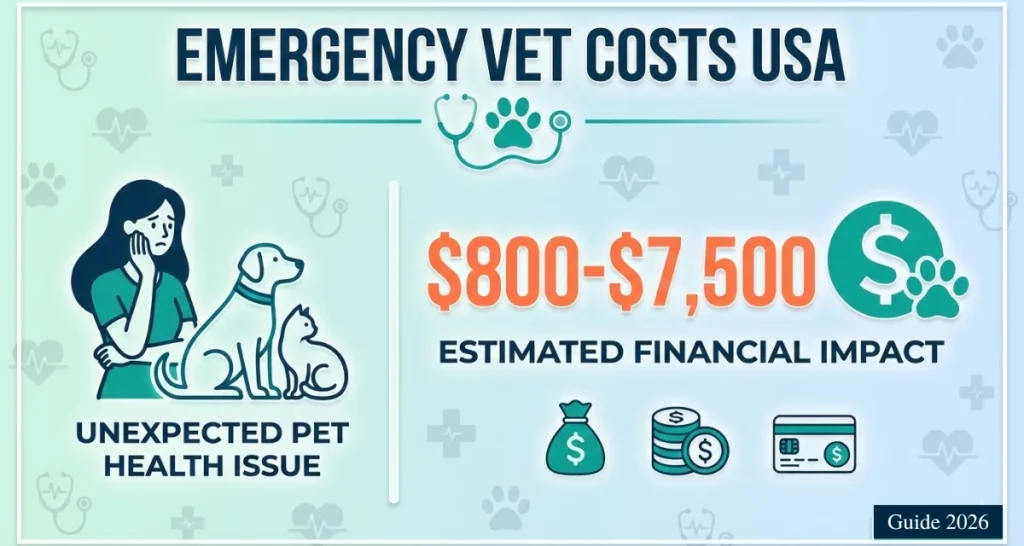
If you’ve ever faced a $3,000 vet bill after an accident or sudden illness, you know the stress of choosing between your pet’s health and your wallet. Many pet owners feel lost when comparing plans the options look similar on the surface but differ a lot in the details.
This guide breaks down the best pet insurance companies in 2026, what each one does well, and how to pick the right coverage for your dog or cat without overpaying or under-protecting.
Quick answer: The best pet insurance company depends on your pet’s age, breed, and your budget. Lemonade is the most affordable option for most dogs and cats, starting around $23/month. Trupanion is best if you want unlimited annual coverage with no payout cap. ASPCA Pet Health Insurance works well for owners who want flexibility across the U.S. and Canada with accident-only options available.
Why Pet Insurance Is Worth Thinking About Early
Most pet insurance policies don’t cover pre-existing conditions. This means if your dog gets hip dysplasia diagnosed before you buy coverage, that condition won’t be reimbursable going forward.
According to the ASPCA, routine vet costs for dogs average $700–$1,500 per year and emergency care can run much higher. Getting insured while your pet is young and healthy gives you the most protection and usually the lowest premiums.
Before diving into specific companies, it helps to understand what you’re actually comparing.
Key Terms You Need to Know Before Comparing Plans
Most people compare monthly costs and miss the details that matter most. Here’s what to look at first:
- Deductible The amount you pay out of pocket before the insurance kicks in. Usually $100–$500 per year.
- Reimbursement rate Most plans cover 80%–90% of your vet bill after the deductible.
- Annual benefit limit The maximum the insurer will pay in one year. This ranges from $5,000 to unlimited.
- Waiting period The days after purchase before coverage starts. Typically 14 days for illness, 2 days for accidents.
- Exclusions Conditions or treatments not covered (pre-existing conditions are almost always excluded).
Keeping your pet’s vaccinations current also matters for claims. Many insurers require proof of preventive care. You can check a detailed pet vaccination schedule for dogs, cats, rabbits, and birds to make sure your records are up to date before you apply.
The Best Pet Insurance Companies in 2026
Here’s an honest breakdown of the top providers, based on coverage quality, price, and claim experience.

Best OverallLemonade Pet Insurance
Lemonade offers the lowest average monthly premiums among major providers around $23/month for dogs and $17/month for cats. It covers accidents, illnesses, surgeries, cancer treatment, and more. Their app makes filing claims fast and straightforward. Annual benefit goes up to $20,000, which is higher than most competitors at this price point.
Best for: Pet owners on a budget who still want solid accident and illness coverage.
Best for No Payout LimitsTrupanion
Trupanion is the only major provider with an unlimited annual benefit. That means no cap on how much they’ll pay in a year. They also offer “Vet Direct Pay,” which means they pay your vet directly instead of reimbursing you later. Monthly costs are higher around $106 for dogs but if your pet develops a serious chronic condition, this coverage pays for itself.
Best for: Owners of breeds prone to expensive hereditary conditions, or anyone who wants maximum protection without worrying about annual caps.
Best for FlexibilityASPCA Pet Health Insurance
ASPCA has been insuring pets since 1997 and has processed over 2.2 million claims. You can use any licensed vet in the U.S. or Canada, and they offer accident-only plans for owners who want basic protection at a lower monthly cost. Average cost is around $39/month for dogs.
Best for: Owners who travel between the U.S. and Canada or want flexible plan options.
Best for Shrinking DeductiblesEmbrace Pet Insurance
Embrace has a standout feature called the “Healthy Pet Deductible.” Every year you don’t file a claim, your deductible drops by $50. Over time, this rewards healthy pets and responsible owners. They also cover exam fees and offer multi-pet discounts. Average cost runs around $52/month for dogs.
Best for: Owners with generally healthy pets who want to be rewarded for low claims over time.
Best for Hereditary ConditionsPumpkin Pet Insurance
Pumpkin covers hereditary and congenital conditions as standard not as an add-on. Dental illness is included too. There are no breed restrictions and no upper age limit, which makes this a solid choice for senior pets or purebreds that are prone to genetic health issues. Plans average around $54/month for dogs.
Best for: Purebred dogs and cats, senior pets, or anyone whose pet has a known breed-specific risk.
Best Multi-Pet OptionMetLife Pet Insurance
MetLife allows up to three pets under one deductible, which saves money for households with multiple animals. They also offer holistic therapy coverage, and certain expenses have virtually no waiting period. Average cost is around $45/month for dogs. MetLife’s backing from a major insurer adds financial stability.
Best for: Families with two or more pets who want to manage costs under one plan.
What the Competitor Reviews Miss
Most comparison sites show you prices and benefits side by side but skip over the practical side of actually using insurance. Here are a few things that matter in real life:
- Claim turnaround time Some companies pay back in 2–3 days via direct deposit. Others take 2–4 weeks. If cash flow matters, check this before buying.
- Vet network restrictions Most top plans let you see any licensed vet. A few require in-network providers. Make sure your regular vet qualifies.
- Chronic condition coverage If your pet develops diabetes or allergies, you want a plan that covers ongoing treatment indefinitely, not just the first diagnosis.
- Premium increases with age All insurers raise premiums as pets get older. Ask about rate history before committing long-term.
How to Choose the Right Plan for Your Pet

There’s no single best plan for everyone. Here’s a simple framework:
- If your pet is young and healthy and you want affordable coverage → Lemonade
- If your pet has a breed with known health risks → Pumpkin or Trupanion
- If you have multiple pets → MetLife
- If you want to avoid annual payout caps entirely → Trupanion
- If you travel between the U.S. and Canada → ASPCA
Also consider your own financial situation. A higher deductible means lower monthly premiums, but you’ll pay more upfront when a claim happens. If you have a solid emergency fund, a $500 deductible makes sense. If not, a $100–$250 deductible gives you more predictable out-of-pocket costs.
Frequently Asked Questions
Is pet insurance worth it for healthy pets?
Yes. Even healthy pets can have accidents. A single emergency surgery can cost $3,000–$8,000. Pet insurance is most valuable when something unexpected happens, not when your pet is sick regularly.
Does pet insurance cover pre-existing conditions?
Generally, no. Most plans exclude conditions your pet was diagnosed with before the policy started. AKC Pet Insurance is one exception after 365 days of continuous coverage, they may cover some curable pre-existing conditions.
What’s the difference between accident-only and full coverage?
Accident-only plans cover injuries like broken bones or lacerations. Full (accident and illness) plans also cover diseases, infections, cancer, and hereditary conditions. Accident-only plans cost less but leave gaps for common health issues.
Can I use any vet with pet insurance?
Most plans including Lemonade, ASPCA, and Trupanion let you use any licensed veterinarian in the U.S. Some also cover Canadian vets. Always confirm before enrolling.
How long does it take to get reimbursed after a claim?
It varies. Some companies like Fetch pay back approved claims in as little as 2 days via direct deposit. Others take 1–3 weeks. Trupanion’s Vet Direct Pay skips reimbursement altogether by paying the clinic directly.
What age can I enroll my pet?
Most insurers accept pets as young as 8 weeks old. Upper age limits vary some plans stop enrolling pets after age 14, while others like Pumpkin have no upper age limit. Enrolling early locks in lower rates.
Wrapping Up
The best pet insurance company is the one that fits your pet’s health profile and your budget not just the one with the lowest monthly price. Lemonade covers most pets well at a low cost. Trupanion is the right pick if you want peace of mind with unlimited coverage. And plans like Pumpkin or Embrace work well for specific situations like hereditary conditions or low-claim households.
Take 10 minutes to compare two or three quotes based on your pet’s actual age and breed. The difference in premiums and what’s covered is often larger than people expect. If you’re also working out your pet’s preventive care routine, take a look at our complete pet vaccination schedule to stay on top of annual health needs.