
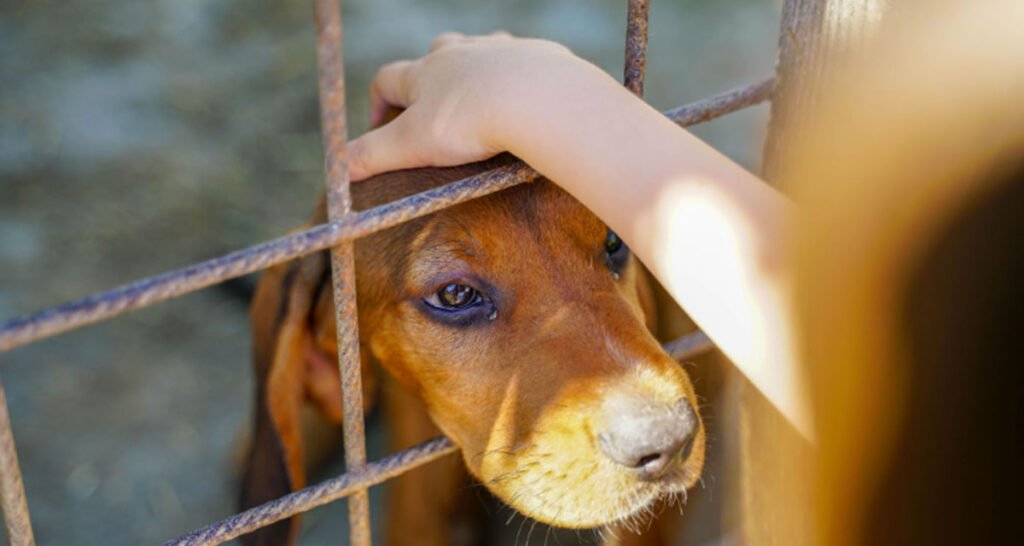

You’ve been waiting for months for this. You’ve viewed a hundred videos of golden retriever puppies dozing off during a walk. You’ve decided yes. A puppy is coming to the family.
Before the excitement settles into the confusing first 48 hours with a puppy, there is a more effective way to prepare. Prepare the home before the puppy arrives rather than after. Making a few smart investments now will result in fewer accidents, less stress and a much smoother transition for both the puppy and your children.
Below is an evidence-informed and parent-tested preparation checklist. I’ll also explain the importance of each item to your children and family and not just the puppy.
Why Preparation Matters More Than You Think
Adopting a puppy is, in many ways, comparable to bringing a newborn home. There is a steep learning curve, disrupted sleep, and a small animal that requires constant attention. The families that do it the best aren’t necessarily those with the most expensive supplies, but rather those that have planned for the logistics ahead of time. This helps prevent parents from scrambling to the store at 9pm on day one.
Adoption also presents a great opportunity for the children. Numerous studies on child development have found positive effects on emotional regulation, responsibility, and empathy when children are involved with pets. However, these benefits can only occur when the children are provided with the necessary tools to succeed at age appropriate tasks. This includes having the proper supplies so that a nine year old can be involved in feeding the animal and a teenager can genuinely take responsibility for walks, rather than everything being done by the parents.
The Checklist
1. A Safe, Defined Space
You will need a confined space for your puppy when you are cooking dinner or assisting with homework. A puppy pen or playpen can help establish such a space. Not only does it provide safety for your puppy and your property, but also offers the children a “safe zone” in which they can sit and interact with your puppy without it wandering off during a petting session.
Family tip: Set the pen up in a central living space, not a laundry room. Puppies (like toddlers) do better when they’re part of the action rather than isolated.
2. Weighing Scales
Until you try it, it sounds unnecessary. However, weighing your puppy once a week during the first several months is one of the easiest ways to detect health problems as early as possible. It’s also a very fun thing to give to a child. They can easily follow “their” puppy’s progress with a small physical representation, kind of like a height chart on the wall.
3. Feeding and Water Bowls (Ideally Non-Spill)
Look for a spill-proof or slow-feed bowl. Puppies eat fast and messily, and if you have younger children in the house, a bowl that resists tipping saves you a dozen small cleanups a day. A multi-height or elevated bowl is also worth considering if you’re getting a breed that will grow tall quickly.
4. Identification Collar
Even before your puppy is microchipped and registered, a soft, adjustable ID collar matters — especially in the first chaotic weeks when a puppy might slip out an open door during the school run. It’s an inexpensive item that buys real peace of mind.
5. A Comfortable, Supportive Bed
Puppies do grow quite quickly and so does cheap pet bedding! An orthopaedic or supportive bed is well worth considering especially for larger puppies. It provides your puppy and all the members of the household with a constant and comforting ‘home base’. Behaviourists are quite keen on this for easing separation anxiety during the initial nights.
6. A Well-Fitted Lead and Harness
Don’t wait until week three to buy a lead. Loose-leash walking is one of the first things kids can be taught to do with a puppy, and having proper, well-fitted gear from day one — rather than an oversized hand-me-down leash — makes early walks safer and far less frustrating for everyone involved.
7. Car Safety Gear
This is the one families most often forget, and it matters. An unrestrained puppy in a moving car is a genuine safety risk — for the puppy, and for the driver. A dog car seat, booster, or secured harness isn’t a luxury item; it’s the pet equivalent of a car seat for a toddler. If your family does school runs, weekend trips, or vet visits with kids in the back seat, this should be on your list before the puppy is, not after.
8. Basic Grooming and Dental Tools
A soft brush and puppy-safe toothbrush help your puppy get comfortable with handling early, which pays off enormously later — a dog who was gently brushed and had its teeth touched as a puppy is far easier to manage as an adult. This is also a lovely, low-pressure task for kids who want to help but aren’t ready for walks or feeding responsibilities yet.
9. Enrichment Toys
Puppies chew. It’s not misbehaviour, it’s development. Having a few durable, puzzle-style toys on hand from day one redirects that chewing instinct away from shoes and furniture, and gives kids an easy, safe way to interact and play without accidentally overstimulating a young puppy.
10. A First-Aid Basics Kit
Minor scrapes, upset stomachs, and the occasional too-enthusiastic play session with the kids are all part of puppyhood. A small pet first-aid kit means you’re not scrambling to Google “is this normal” at 11pm.
Involving Your Kids in the Prep, Not Just the Puppy
Another aspect of ‘getting ready’ that is often left out is that the shopping and preparation can happen prior to the arrival of the puppy itself. An eight year old can be allowed to select the colour of the collar or a teenager can be asked to research the correct size of harness. Early investment like this can lead to greater consistency in follow through with actual pet care once the novelty period ends. If you’ve ever gotten through a ‘can we get a pet’ stage with a child, then you know that this is the true test.
The Bottom Line
Having a puppy is going to disrupt your life no matter how ready you think you are – that’s the price you pay. However, if you have everything set up properly prior to day one, then the disruption will appear as fun chaos rather than a stressful scramble. Have the essentials taken care of, give your children a few appropriate tasks for their age, and allow yourselves to embrace the (very short) puppy phase.
Shopping for the essentials? RPBA Shop has a dedicated First-Time-Breeder collection with puppy starter packs, ID collars, car seats, and more — a good starting point if you’re not sure where to begin.