






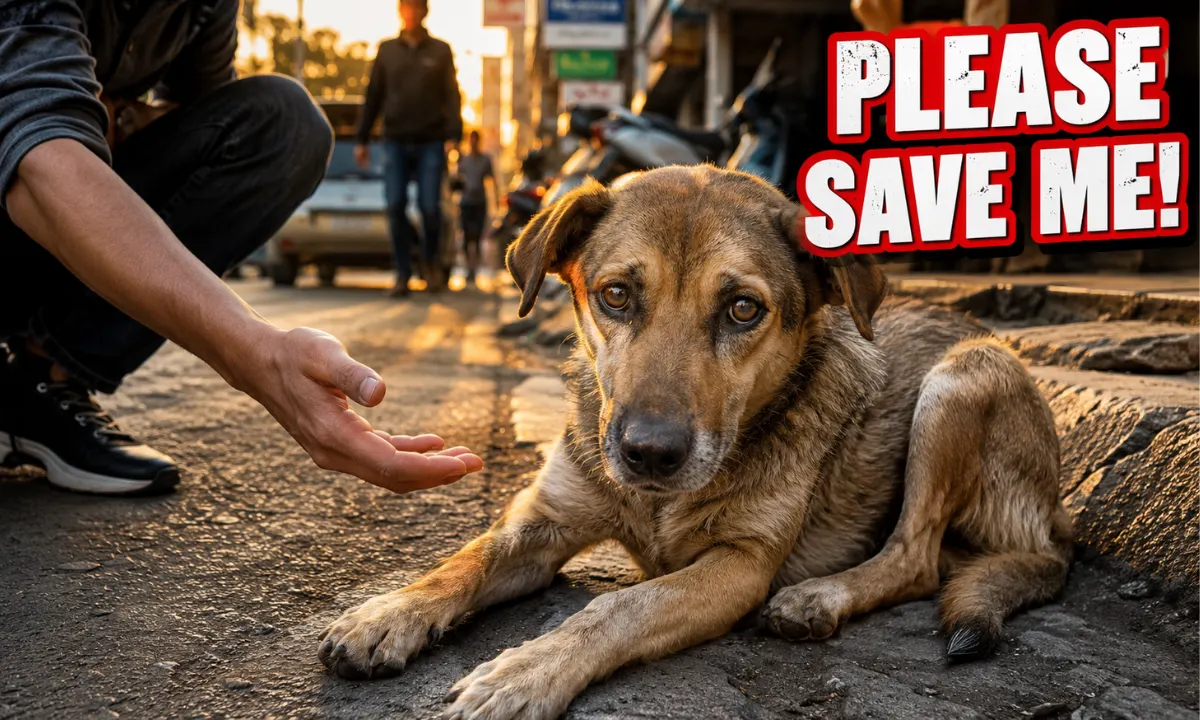
A stray dog collapsing on the street changes everything around it. People stop. Someone panics. Someone else pulls out a phone not sure whether to call a vet or animal control. And the dog just lies there, limp and unresponsive, with no owner to speak for it.
That moment happens more often than most people realize. What comes after it, including how to respond medically and how to handle the cost, is what this guide covers. If you are reading this because it is happening right now, the answer is simple: get the dog to an emergency vet immediately and be honest that it is a stray. Everything else can be sorted from there.
What Fainting Actually Means in a Dog
The medical term for fainting is syncope. It occurs when blood flow to the brain drops suddenly enough to cause a brief loss of consciousness. The dog goes limp, often within seconds, and most recover on their own within a minute or two. What syncope is not, is harmless. It is a symptom of an underlying condition, and in stray dogs, those conditions tend to be serious.
Syncope is different from a seizure. During a seizure, the body goes rigid and convulses. During syncope, it goes completely slack. Recovery from syncope is usually fast, but the cause behind it will not resolve without diagnosis and treatment.
According to VCA Animal Hospitals, syncope in dogs begins without warning and the dog collapses completely limp, often during physical activity. Most recover within seconds to minutes, but repeat episodes without treatment carry serious risk. Read the full clinical breakdown of syncope in dogs at VCA Animal Hospitals.

Why Stray Dogs Are at Higher Risk of Collapse
Domestic pets face health challenges too, but stray dogs face several at the same time. Prolonged malnutrition depletes blood sugar reserves. Heavy tick or flea infestations cause slow ongoing blood loss that leads to anemia. Dehydration from limited water access reduces blood volume. Each of these conditions alone can trigger fainting. Together, they create a situation where collapse becomes almost inevitable.
Internal trauma is another factor that often goes undetected. A dog that was struck by a vehicle days earlier may appear to have recovered on the surface while bleeding internally. When that dog faints, it looks like heat exhaustion. The actual cause is something far more urgent.
Common Causes of Fainting in Stray Dogs
- Severe anemia from flea, tick, or hookworm infestation
- Hypoglycemia from extended periods without food
- Dehydration reducing blood volume below functional levels
- Cardiac arrhythmias or structural heart disease
- Internal hemorrhage following blunt trauma
- Heartworm disease affecting cardiac output
- Heatstroke when body temperature exceeds safe limits
- Toxin ingestion including pesticides or antifreeze
What To Do Before You Reach the Vet
The way you handle a collapsed dog in the first few minutes matters. Incorrect movement can worsen internal injuries, especially if the dog has spinal or cardiac involvement. Stay calm and work through the following steps before transport.
Place the dog gently on a flat surface without shaking it or lifting by the legs. Check whether the chest is moving. If the dog is breathing, position it on its side in the recovery position. Feel for a pulse at the inner thigh, where the femoral artery runs close to the skin. If it is hot outside, apply a damp cloth to the groin, neck, and the area behind the ears to reduce core temperature. Do not attempt to give water or food to an unconscious animal.
Call the emergency vet before you arrive. Describe what happened, how long the dog was unresponsive, and any visible injuries. Mention upfront that it is a stray. This helps the clinic prepare the right team and also sets up the conversation about cost honestly from the start.
What the Emergency Vet Will Check
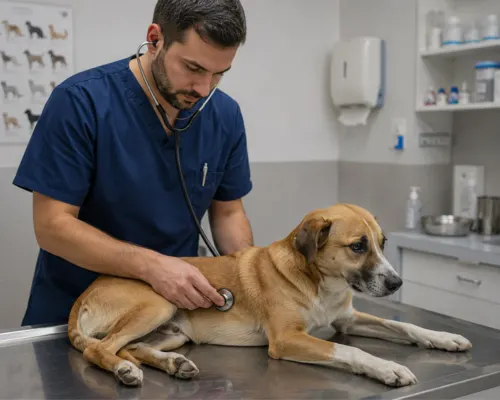
When a collapsed stray arrives at a veterinary clinic, the team moves through a structured assessment. They will check heart rate, breathing, blood pressure, and mucous membrane color. A pale or white gum line is a red flag for severe anemia or internal bleeding.
Blood panels give the vet a rapid read on red cell counts, glucose levels, kidney and liver function, and electrolytes. An ECG identifies whether an arrhythmia is driving the fainting. X-rays or ultrasound can detect fluid around the heart, internal hemorrhage, or organ abnormalities that a physical exam alone cannot confirm.
Typical Emergency Diagnostic Costs
- Emergency exam: $100 to $250
- Complete blood count and chemistry panel: $150 to $400
- ECG: $75 to $200
- X-rays: $150 to $400 per series
- IV fluids and overnight monitoring: $200 to $600
- Cardiac medication or surgical intervention: $500 to $5,000 or more
Costs vary considerably depending on the state, clinic type, and complexity of the case. The emergency vet cost breakdown by U.S. state at Petnicki provides realistic figures across different care scenarios, which helps rescuers and fosters estimate what they are likely to face before arriving at a clinic.
Covering the Cost: Veterinary Loans and Other Financial Options
This is where most rescue situations get complicated. Emergency clinics typically require payment at or before discharge. When the dog has no owner and no insurance, the bill lands on whoever walked through the door. That is a difficult position to be in, and it is also a common one.
Veterinary loans have become a practical option specifically for situations like this. They are personal loans applied in the name of the individual seeking care, not linked to pet ownership. If you brought the dog in, you can apply. Approval is often fast enough to be useful in an acute situation.

Financing Options Worth Knowing
- CareCredit: a healthcare credit card accepted at most veterinary practices, with interest-free periods of 6 to 24 months depending on the amount financed
- Scratchpay: a veterinary-specific financing platform that uses a soft credit check with no impact on your credit score, offering repayment plans from a few months to several years
- LendingClub Patient Solutions: a personal loan option for medical and veterinary expenses with fixed monthly payments and predictable terms
- In-house clinic payment plans: many independent practices will structure installments for rescuers acting in good faith on an unowned stray
- Nonprofit emergency funds: organizations such as The Pet Fund and RedRover Relief offer financial assistance when hardship is documented
- Veterinary school clinics: supervised teaching hospitals typically charge 30 to 60 percent less than private emergency practices
Transparency with the clinic helps significantly. Telling the team from the start that the dog is a stray and that cost is a concern opens up more options than saying nothing and hoping for the best.
For a full clinical overview of canine syncope, including causes, diagnostic steps, and treatment categories, the veterinarian-reviewed guide at PetMD on syncope and fainting in dogs is a reliable reference that covers cardiac arrhythmias, metabolic causes, and what treatment depends on.
After the Dog Is Stable
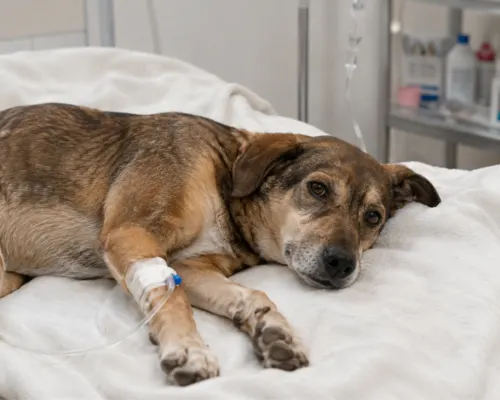
Stabilization is the first milestone, not the end of the process. Depending on what the vet found, the dog may need ongoing medication, a parasite treatment protocol, nutritional support, or specialist follow-up. Document every step, including all receipts, lab results, and discharge instructions.
Check whether the dog is microchipped. Most emergency clinics scan for chips automatically, but if it has not been done, ask. A registered microchip identifies an owner and changes the entire financial picture, and it is often the reason a lost dog eventually gets home. If no chip exists and no owner comes forward within the required holding period, the dog enters the adoption process through whichever rescue or shelter takes it in.
Many rescue organizations will accept a medically stabilized stray and take over ongoing care costs from that point. Reaching out to local rescues early, even while the dog is still in the clinic, speeds up the placement process considerably.
Frequently Asked Questions
How is syncope different from a seizure in dogs?
During syncope, the body goes completely limp and recovery happens within seconds. Seizures involve abnormal electrical activity in the brain, causing muscle rigidity, convulsions, facial twitching, and a disoriented recovery phase that can last minutes or longer. Both require veterinary evaluation. If you are unsure which you witnessed, describe what you saw in detail and let the vet make the distinction.
Can a stray dog faint just from not eating?
Yes. Severe hypoglycemia from prolonged food deprivation drops blood glucose low enough to deprive the brain of fuel. Small dogs and puppies are especially vulnerable because their glucose reserves are limited. The risk increases further if the dog is dehydrated or physically stressed from heat. Do not attempt to feed an unconscious dog. Once it is conscious and a vet has cleared it, small amounts of easily digestible food can be introduced carefully.
What if the clinic wants payment upfront and I have nothing?
Apply for CareCredit or Scratchpay before treatment begins. Most clinics that accept these platforms can process an application in minutes. If neither works, ask whether the clinic can contact a local rescue organization or animal control on your behalf. Some municipalities cover emergency care costs for unclaimed strays through animal control programs. Being upfront and asking directly produces better outcomes than staying quiet.
Am I legally responsible for a stray I bring to the vet?
In most U.S. states, Good Samaritan protections for animals mean that transporting an injured stray to a veterinarian does not automatically make you financially liable for the full cost of care. The key is being transparent from the start. Tell the clinic clearly that the dog is a stray and that you are not the owner. Do not claim ownership if you are not the registered owner, as that creates a different set of legal and financial obligations.
How quickly do veterinary loan applications get approved?
Scratchpay and CareCredit both offer near-instant decisions in most cases. Approval typically takes under five minutes with a phone or online application, and funds are available for clinic use immediately. This makes them genuinely useful in emergencies where waiting is not an option.
What if the dog does not survive despite emergency care?
It happens, and it is a painful outcome when someone acted quickly and did everything right. Vets will update you on prognosis as information becomes available. If survival is not possible, humane euthanasia prevents unnecessary suffering and most clinics handle this with care. The cost of care provided up to that point remains, but many clinics will reduce or waive fees in such circumstances when asked directly.
Final Thoughts
A dog that collapses on the street is in a medical emergency with a short window for intervention. The underlying cause of the fainting is almost never something that resolves without treatment. Getting the dog to a vet quickly, being transparent about the situation, and knowing which financial options exist beforehand is what determines whether that dog survives.
Veterinary loans, rescue networks, and assistance programs are real and accessible. They are used every day by people who did not plan to be in this situation but chose to act anyway. The financial side of stray rescue is not small or simple. But the tools to manage it are there for anyone who looks for them before the crisis hits.
If you found this while actively dealing with a collapsed dog, stop reading and call the nearest emergency vet. Everything else, including cost and next steps, can be worked out once the dog is in care.
