

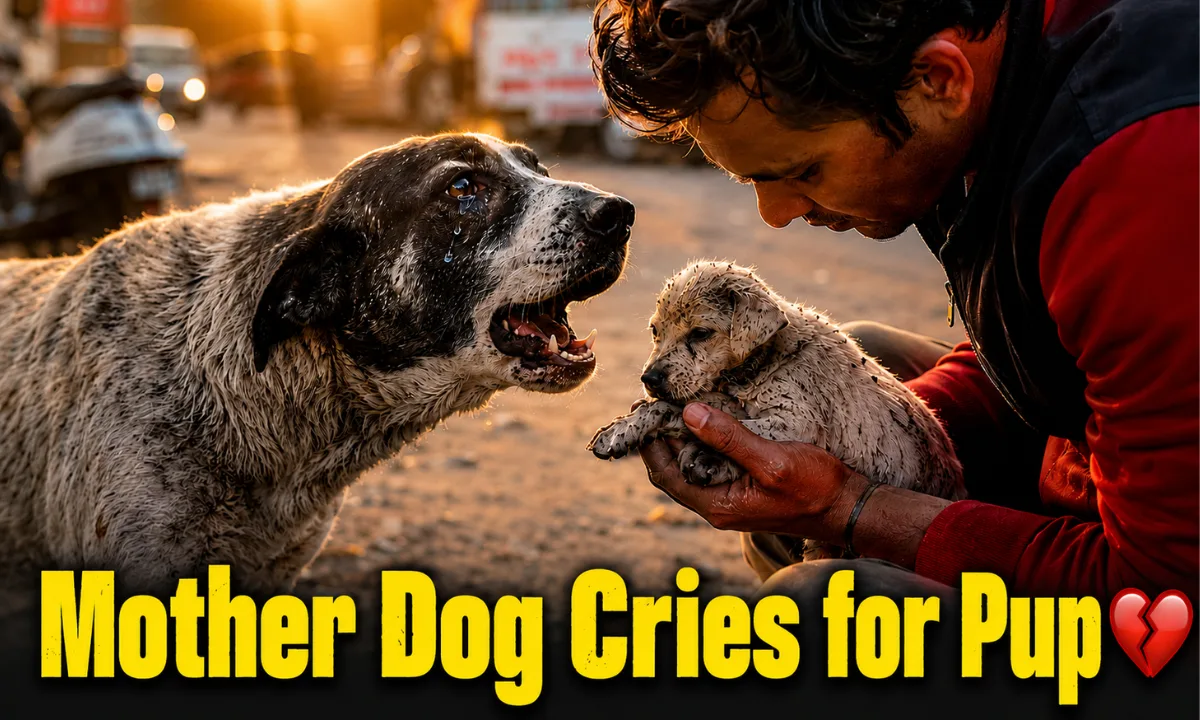




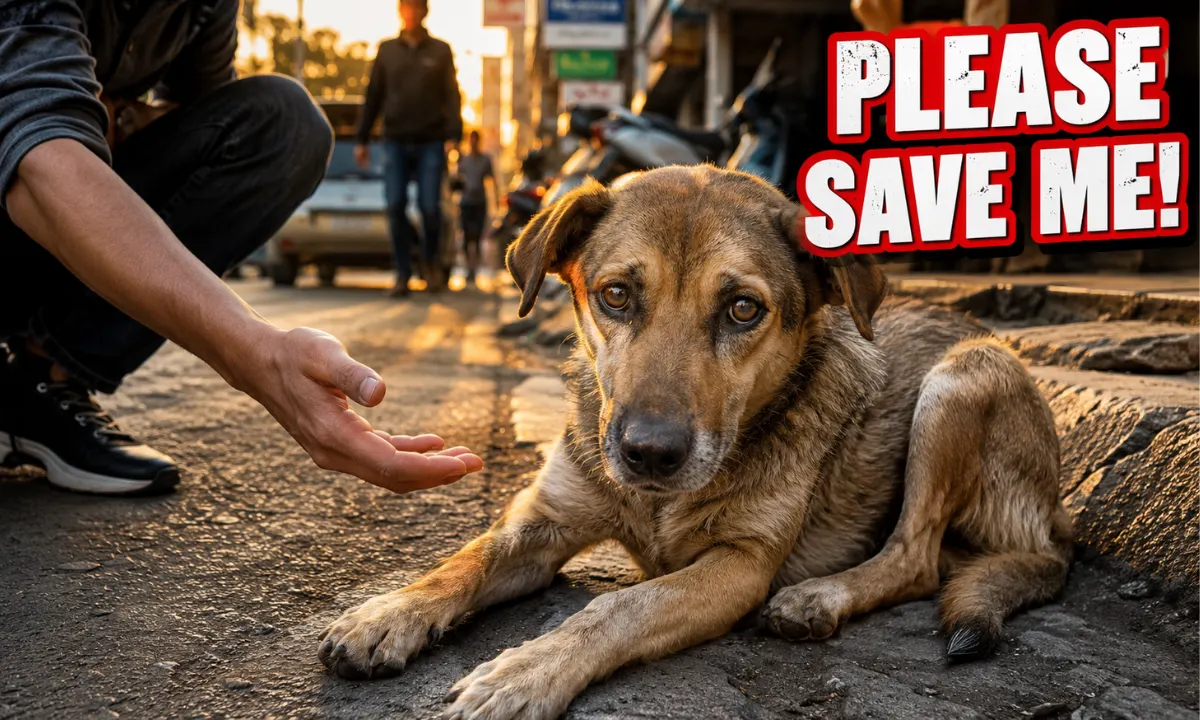
He was found behind a dumpster on a Tuesday morning, barely eight weeks old, covered in mange, and too weak to lift his head. A passerby called a local rescue group, and within the hour, that puppy was on an exam table fighting for his life. Stories like this happen every day, and understanding what goes into saving an abandoned puppy can help more people act fast when they find one in distress.
Abandoned puppy rescue is the process of locating, stabilizing, and rehabilitating puppies that have been left without a mother or human caregiver, often in dangerous conditions. These puppies face a narrow window of survival without intervention. The younger the puppy, the more urgent the situation. Without warmth, nutrition, and medical care, a neonatal or young puppy can decline within hours.
What Happens When a Stray Puppy Is Brought In for Emergency Care
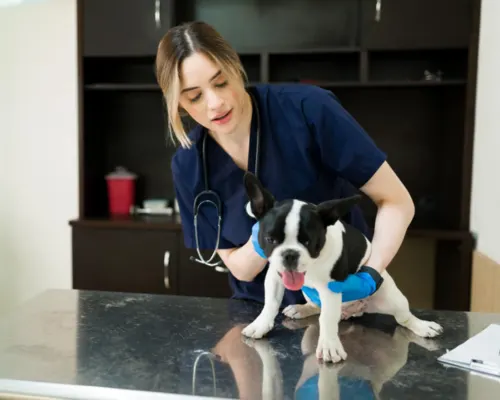
The first thirty minutes after arrival are critical. Veterinary staff or rescue volunteers assess the puppy’s temperature, hydration level, respiratory rate, and neurological responsiveness. Hypothermia is one of the leading killers of abandoned puppies. Their bodies simply cannot regulate heat the way adult dogs can.
A puppy found in poor condition will typically receive:
- Warming support through heated pads, warm towels, and incubators
- Subcutaneous or IV fluids to address dehydration
- Glucose supplementation if blood sugar is dangerously low
- A thorough skin and coat assessment for mange, fleas, or ringworm
- Fecal testing for intestinal parasites
- A full physical exam to identify trauma, injury, or congenital issues
Many rescued puppies are also severely malnourished. The stomach has shrunk, so refeeding has to happen slowly. Veterinary teams introduce small, frequent meals of puppy milk replacer before gradually transitioning to solid food.
The Most Common Health Conditions in Abandoned Puppies
Street puppies carry a heavy disease burden. Without vaccinations, a mother’s milk for immune support, or clean living conditions, their bodies are exposed to pathogens from day one. These are the conditions veterinary teams see most often in rescued puppies.
Parvovirus
Parvo is a serious concern with any unvaccinated puppy, especially one exposed to other animals or contaminated environments. Symptoms include bloody diarrhea, vomiting, lethargy, and rapid dehydration. Treatment is intensive: hospitalization, IV fluids, anti-nausea medication, and antibiotics to prevent secondary infections. Survival rates improve significantly with early treatment.
Demodectic Mange
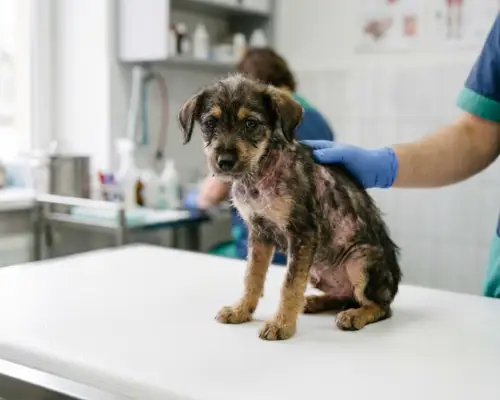
Demodectic mange is common in puppies with underdeveloped immune systems. It causes hair loss, crusty skin, and secondary bacterial infections. Mild cases resolve with medicated baths and supportive care. Severe cases require prescription treatments and can take months to fully clear.
Intestinal Parasites
Roundworms, hookworms, and coccidia are nearly universal in street puppies. These parasites cause diarrhea, bloating, and failure to thrive. A fecal test identifies the specific parasite and deworming protocols are started immediately.
Distemper
Distemper affects the respiratory, gastrointestinal, and nervous systems. It spreads through airborne exposure and contact with infected animals. Puppies found in colonies or shelters with unvaccinated dogs are at higher risk. There is no cure and treatment is entirely supportive. Prognosis depends heavily on how early the disease is caught.
The Role of Foster Caregivers in Puppy Survival

Veterinary care stabilizes a puppy, but the real recovery often happens in a foster home. Neonatal puppies under four weeks old need round-the-clock bottle feeding every two to three hours. They also need manual stimulation after feeding to help them urinate and defecate, since they cannot do so on their own.
Foster caregivers are trained by rescue organizations on feeding schedules, weight tracking, proper latch technique, and warning signs that require veterinary attention. The bond formed during this intensive care period also plays a role in socialization, making puppies far more adoptable down the line.
Understanding the Financial Side of Emergency Rescue
Saving an abandoned puppy is not inexpensive. Emergency vet visits, hospitalization, imaging, lab work, and medications add up quickly, sometimes reaching hundreds or thousands of dollars depending on the condition. Rescue organizations rely heavily on public donations to fund these cases, and many operate entirely on community support.
If you have found a puppy in distress and want to understand what you might be facing financially, this breakdown of emergency vet costs across the United States gives a detailed look at typical pricing by region and treatment type.
Some pet owners also explore pet insurance for newly adopted puppies to offset future veterinary expenses. Policies vary widely, but coverage for accidents and illnesses can significantly reduce out-of-pocket costs after an adoption.
How to Help If You Find an Abandoned Puppy
Finding a puppy alone does not always mean it has been abandoned, but waiting too long to act can be fatal. According to Best Friends Animal Society, stray animals often behave unpredictably out of fear, and knowing how to approach the situation safely makes a real difference.
Here is what to do:
- Assess the situation. Is the mother nearby? Is the puppy in immediate danger from weather, traffic, or predators?
- Keep it warm. Wrap the puppy in a clean towel. Do not place electric heating pads directly on the skin.
- Do not force-feed. A puppy that cannot swallow properly can aspirate liquid into its lungs.
- Contact a rescue or vet. Call your local shelter, humane society, or emergency vet clinic immediately.
- Minimize handling. Limit stimulation and keep the environment quiet until professional care is available.
Frequently Asked Questions About Abandoned Puppy Rescue
How do I know if an abandoned puppy needs emergency care?
If the puppy is unresponsive, extremely cold, bleeding, has labored breathing, or cannot stand, it needs emergency veterinary attention immediately. Even puppies that appear stable often have underlying issues not visible to the eye.
Can I feed an abandoned puppy regular cow’s milk?
No. Cow’s milk causes diarrhea and worsens dehydration in puppies. Use a commercial puppy milk replacer, available at most pet stores. Goat’s milk is sometimes used as a short-term substitute but is not a complete nutritional solution.
What age is most dangerous for an abandoned puppy?
The first three weeks of life are the most fragile. Neonatal puppies cannot regulate their own body temperature, immune function is minimal, and they depend entirely on external feeding and stimulation to survive.
How long does mange treatment take in a rescued puppy?
Mild cases of demodectic mange can resolve in four to eight weeks with consistent treatment. Generalized or severe mange may require three to six months of care. Regular vet check-ins are essential to track progress.
Should I adopt a puppy I rescued?
It depends on your situation. If you can provide a stable home, the puppy has received proper veterinary care, and you are prepared for the ongoing commitment, it can be a wonderful outcome. If not, working with a rescue organization to find a vetted adoptive family is the responsible choice.
Can rescue puppies with serious illness make full recoveries?
Many do. Parvo survivors, mange cases, and even distemper puppies with mild neurological involvement have gone on to live full, healthy lives with proper treatment and consistent rehabilitation.
One Puppy’s Story
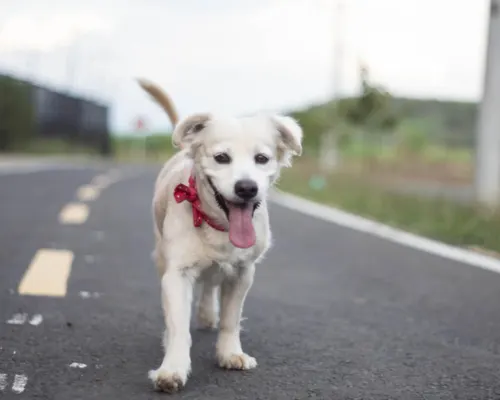
He was named Biscuit by the rescue volunteers who found him. After three weeks of tube feeding, mange treatment, and a round of antibiotics for a respiratory infection, he gained weight, grew fur, and started wagging his tail at anyone who entered the room. He was adopted six weeks after he was found.
Stories like Biscuit’s happen every week in shelters, foster homes, and clinics across the country. What makes the difference is fast action, proper treatment, and people willing to step in when it counts.
