


If you own a pit bull or are thinking about adopting one, you have probably heard the claims. “They have locking jaws.” “Their bites are uniquely dangerous.” “They snap without warning.” These ideas keep spreading because they get repeated so often.
But most of them do not hold up to science.
This article clears up the most common misconceptions about pit bull bites, explains what actually causes dog bites in any breed, and gives you research-backed facts from veterinary experts.
What Are Pit Bull Bite Misconceptions?
Misconceptions about pit bull bites are false or exaggerated beliefs about the biting behavior, jaw anatomy, and canine aggression of dogs labeled as “pit bulls.” These dog bite myths are not supported by veterinary science or controlled studies. Bite risk in any dog is shaped by individual history, socialization, training, and owner behavior, not by breed alone.
False Beliefs About Pit Bull Bites That Science Has Disproved
Many people believe pit bulls are biologically wired to bite harder, bite without warning, or cause more damage than other dogs. None of these claims are backed by controlled research. Here are the specific beliefs that veterinary science has directly addressed.
Pit Bulls Do Not Have Locking Jaws
No dog breed has a jaw that locks. The jaw anatomy of a pit bull is the same as any other dog. There is no special hinge, locking mechanism, or bone structure that sets them apart.
Dr. I.L. Brisbin of the University of Georgia confirmed that American Pit Bull Terriers have no unique mechanism that allows their jaws to lock. Their jaw structure is no different from a Labrador Retriever.
The “bite and hold” behavior some pit bulls display is a learned behavior shaped by training or environment, not a physical trait. Many other breeds including Rottweilers, German Shepherds, and Mastiffs show the same behavior.
Pit Bull Bite Force Is Not the Strongest
Bite force depends on the size and muscle structure of an individual dog, not its breed. Research published in the Journal of Anatomy confirms that breed is not a reliable predictor of bite force.
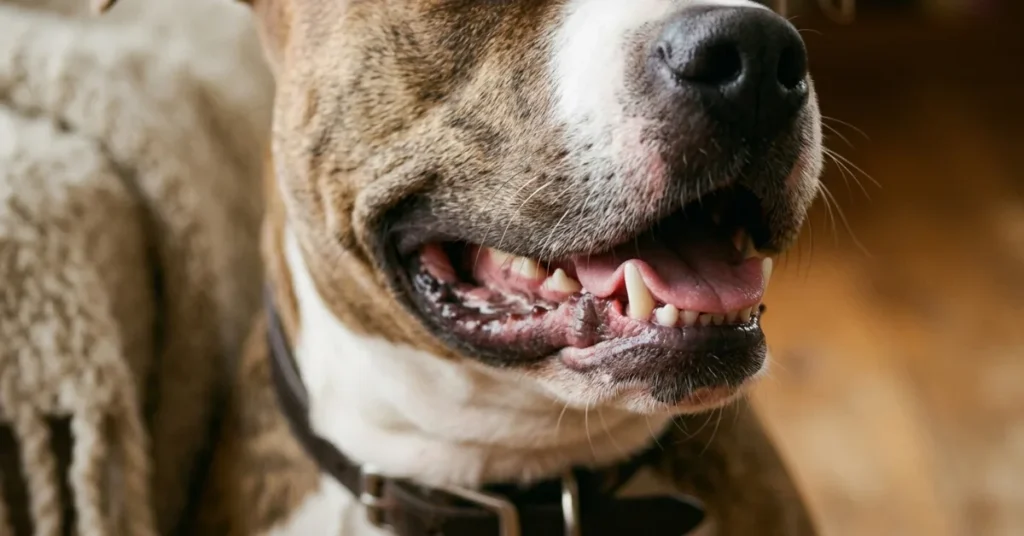
How Pit Bull Bite Force Compares to Other Breeds
- American Pit Bull Terrier: 235 psi
- German Shepherd: 238 psi
- Rottweiler: 328 psi
- Kangal: 743 psi
Pit bulls fall well below average compared to many large dog breeds. A Rottweiler bites nearly 40% harder, and the Kangal bites more than three times as hard.
Other factors that influence bite strength include the dog’s motivation, chewing habits, training history, and individual temperament. Breed alone explains very little.
Pit Bull Bites Are Not More Severe Than Other Dog Bites
Veterinary research does not support this claim.
Multiple peer-reviewed studies analyzing emergency room data and hospital records found no significant difference in bite injury type or severity between pit bull-type dogs and other large breeds of similar size and strength.
The American Veterinary Medical Association (AVMA) states that controlled studies have not identified pit bull-type dogs as disproportionately dangerous. A study published in Frontiers in Public Health in 2024 found no difference in bite outcomes between areas with and without breed-specific legislation targeting pit bulls.
Bite severity is more closely linked to the overall size, strength, and energy of the dog, the specific circumstances of the incident, and the vulnerability of the person bitten.
Pit Bulls Are Not Naturally More Aggressive Than Other Dogs
Research consistently shows that breed explains a very small portion of a dog’s actual behavior.
A 2022 study published in Science analyzed behavior data from thousands of dogs and found that breed accounts for less than 10% of behavioral variation in individual dogs. A dog’s life experiences, early socialization, and training history matter far more than genetics or breed label.
Studies also show no meaningful difference in dog aggression levels between pit bull-type dogs and breeds like Golden Retrievers, Labrador Retrievers, and German Shepherds when individual history is controlled for.
Since 2016, more than 80 different breeds have been involved in fatal dog bite incidents across the United States. Dangerous dog behavior is not a pit bull problem. It is an individual dog and owner responsibility problem.
Pit Bulls Do Not Bite Without Giving Warning Signs
This belief is harmful because it stops people from learning real canine body language and dog behavior signals.
Dogs almost always show warning signs before biting. These signals can be subtle, but they are there.
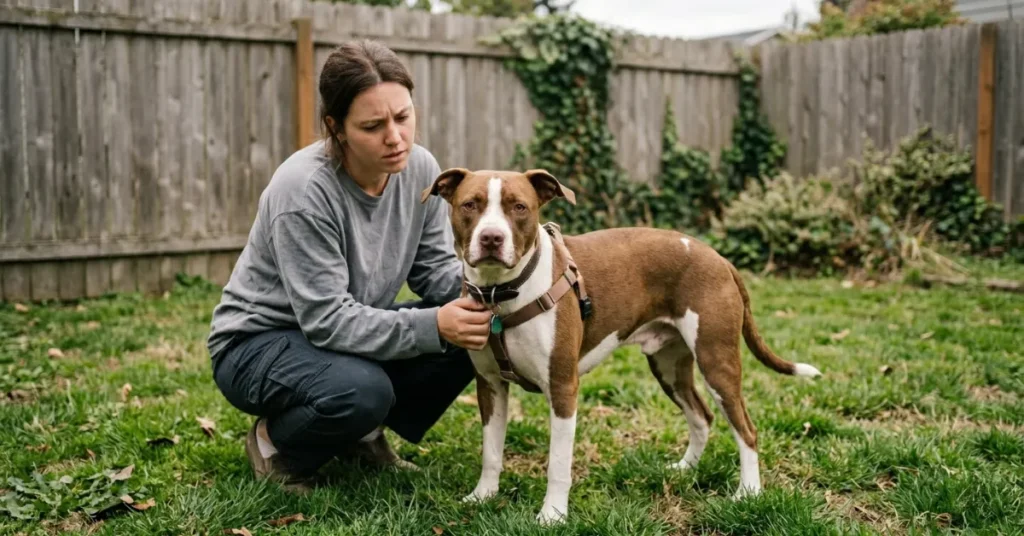
Common Dog Stress Signals Before a Bite
- Stiff, rigid body posture
- Tail held high and unmoving
- Growling or showing teeth
- Whale eye, where the whites of the eyes become visible
- Turning the head away or suddenly freezing
- Low, slow tail wag combined with tense muscles
Many people miss or ignore these signals, especially children. Teaching proper dog body language awareness reduces bites far more effectively than targeting specific breeds.
To understand how pit bull-type dogs differ from each other in background and behavior, read this helpful guide: Pit Bull Types and Breeds Explained.
What Actually Causes Dog Bites?
Breed is not the main driver behind dog bites. Research points clearly to owner behavior, environment, and management as the leading causes. An AVMA-backed study tracking 256 dog bite fatalities from 2000 to 2009 found that bites almost always involved multiple failures at the same time.
Key Risk Factors Found in Dog Bite Incidents
- No able-bodied person present to intervene (87% of cases)
- The victim had no prior relationship with the dog (85% of cases)
- The dog was not neutered (84% of cases)
- The dog was kept isolated from regular positive human contact (76% of cases)
These are responsible dog ownership failures, not breed traits. A well-socialized, neutered family dog with attentive owners is far less likely to bite, regardless of breed.
Dog bite prevention comes down to socialization, positive reinforcement training, neutering, and active supervision around children.
The Problem With Breed-Specific Legislation
Breed-specific legislation (BSL) targets dogs based on appearance, not behavior. The AVMA actively opposes BSL because it is difficult to enforce and has not been shown to reduce dog bite rates in any community.
Why BSL Does Not Work
Identifying a dog’s breed accurately just by looking at it is nearly impossible. Research by Maddie’s Fund found that even experienced shelter workers regularly misidentify mixed-breed dogs as pit bulls. Many dogs face restrictions based on how they look, not how they actually behave.
Effective dog bite prevention relies on enforcing dangerous dog laws based on individual behavior, promoting responsible ownership, and improving community-wide socialization practices.
Conclusion
The misconceptions about pit bull bites are persistent, but none of them hold up under scientific review. Pit bulls do not have locking jaws. Their bite force is average or below compared to many large breeds. Their bites are not more severe. And their behavior is shaped far more by upbringing than by breed.
What keeps people and dogs safe is responsible ownership: early socialization, proper training, neutering, and knowing how to read canine warning signals.
Want to learn more about the different types of pit bull breeds before adopting? Start here: Pit Bull Types and Breeds Explained.
Frequently Asked Questions
Do Pit Bulls Have the Strongest Bite Force of Any Dog?
No. Pit bull-type dogs average around 235 psi. Rottweilers average 328 psi, and breeds like the Kangal exceed 700 psi. Bite strength depends on individual size and build, not breed.
Is It True That Pit Bulls Lock Their Jaws When They Bite?
No. No dog has a locking jaw. Veterinary anatomists have directly disproved this claim. The jaw structure of a pit bull is identical to any other dog breed.
Are Pit Bulls More Likely to Bite Without Warning?
No. Like all dogs, pit bulls display stress signals and warning signs before biting, including growling, stiffening, and showing teeth. Missing these signals is a human awareness issue, not a breed trait.
Do Pit Bull Bites Cause More Serious Injuries Than Other Dogs?
Controlled studies have found no significant difference in bite injury severity between pit bull-type dogs and other large breeds of similar size and strength.
What Actually Causes a Dog to Bite?
Bites result from a combination of factors: lack of socialization, isolation, not being neutered, poor training, and stressful situations without supervision. Breed accounts for less than 10% of behavioral variation according to a 2022 study in Science.
Is Breed-Specific Legislation Effective at Preventing Dog Bites?
No. The AVMA, CDC, and multiple independent studies confirm that BSL does not reduce bite rates. It targets appearance rather than behavior and is difficult to enforce accurately.