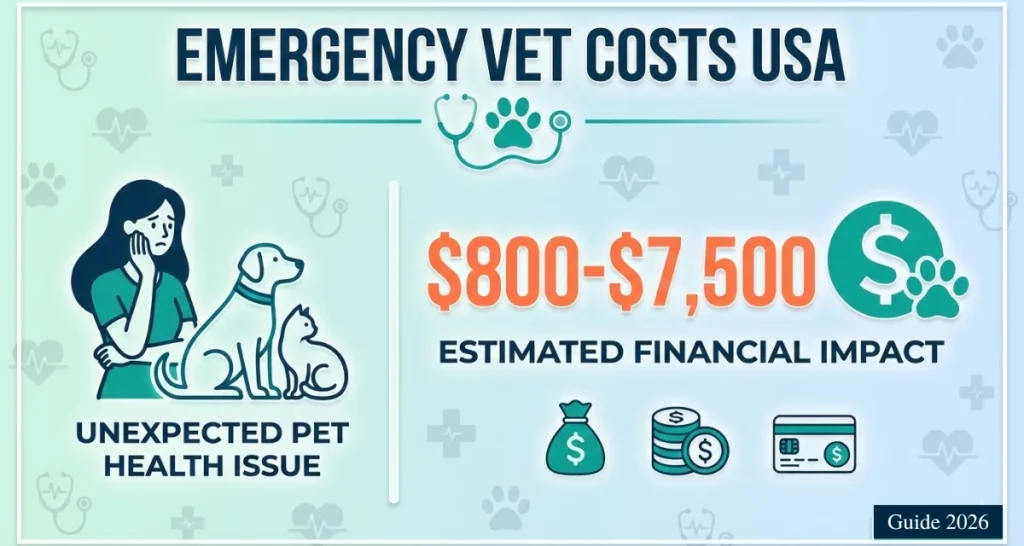


In the United States, unexpected vet bills can easily cost thousands of dollars. A broken leg runs $2,000-$5,000. Emergency surgery hits $3,000-$10,000 or more. Cancer treatment? That climbs above $15,000. Pet insurance helps dog and cat owners manage these medical expenses without choosing between their wallet and their pet’s health. This guide breaks down costs, coverage, top companies, and what you actually need to know before buying a policy in 2026. For a side-by-side of the providers themselves, see our pet insurance company comparison.
What Is Pet Insurance?
Pet insurance works like health insurance for humans, but with some key differences. You pay a monthly premium to an insurance company. When your pet needs veterinary care, you pay the vet bill upfront, then submit a claim to your insurer for reimbursement.
Most policies cover accidents and illnesses things like broken bones, infections, cancer, and chronic conditions. You choose your annual deductible (what you pay before insurance kicks in), your reimbursement percentage (usually 70-90%), and your annual limit (the maximum the insurer pays per year).
The claim process is straightforward. Visit any licensed vet, pay the bill, submit your itemized receipt to the insurance company, and receive reimbursement within 5-15 days on average. Some companies now offer direct payment to participating vets, eliminating the need to pay upfront.
Why Pet Insurance Is Important in the USA
American veterinary care costs have increased significantly over the past decade. Emergency surgery that cost $1,500 ten years ago now runs $3,000-$5,000. Advanced treatments like MRI scans, chemotherapy, and specialized surgeries that were once rare are now standard options.
Pet insurance provides peace of mind. You won’t face the heartbreaking decision of whether you can afford treatment when your dog gets hit by a car or your cat develops diabetes. Insurance removes financial barriers to quality care.
Accident and illness coverage protects against the unexpected. Your healthy three-year-old dog seems fine until sudden vomiting reveals a foreign body obstruction requiring emergency surgery. Your indoor cat develops hyperthyroidism needing lifelong medication. These situations happen without warning, and insurance cushions the financial blow.
Average Pet Insurance Cost in USA
Pet insurance pricing varies based on several factors, but understanding average costs helps you budget appropriately.
Monthly Premium Breakdown
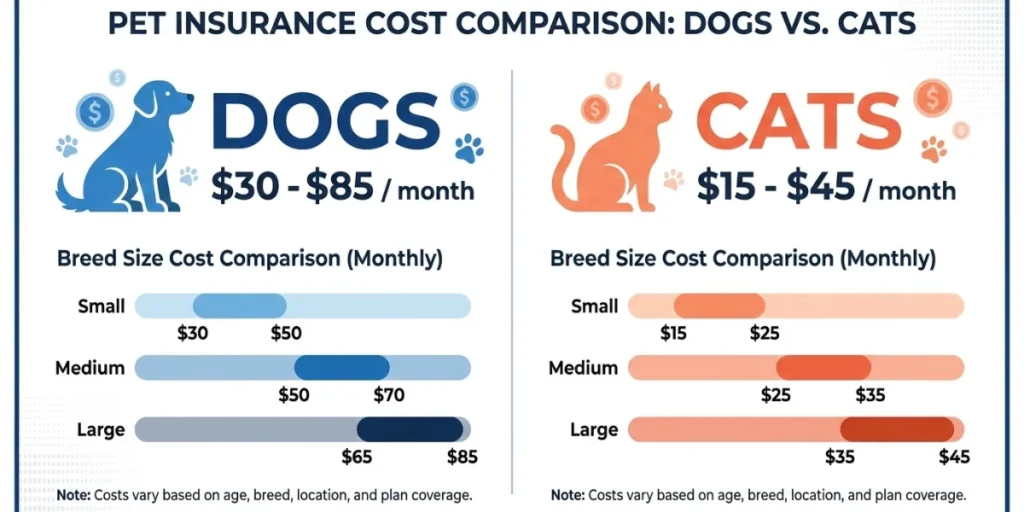
Dogs: $30-$85 per month
- Small breeds: $30-$45
- Medium breeds: $40-$65
- Large breeds: $55-$85
Cats: $15-$45 per month
- Average: $25-$35
- Senior cats: $35-$45
According to recent industry data, the national average premium is approximately $54.50 monthly for dogs and $34.50 for cats.
Cost Comparison Table
| Company | Dog (Monthly) | Cat (Monthly) | Annual Coverage | Reimbursement |
|---|---|---|---|---|
| Lemonade | $23-$35 | $15-$25 | Up to $100,000 | 70-90% |
| Healthy Paws | $45-$75 | $25-$40 | Unlimited | 70-90% |
| Trupanion | $50-$80 | $30-$45 | Unlimited | 90% |
| ASPCA | $40-$70 | $25-$40 | Up to $10,000 | 70-90% |
| Nationwide | $45-$85 | $28-$50 | Varies | 70-90% |
Note: Prices are national averages for a 2-year-old pet with $500 deductible. Actual costs vary by location, breed, and age.
Factors Affecting Cost
Breed matters significantly. French Bulldogs cost more to insure than mixed breeds due to known health issues. German Shepherds face higher premiums than Beagles. Insurance companies use claims data showing which breeds generate expensive medical bills.
Age impacts pricing dramatically. Puppies and kittens cost less to insure because they’re generally healthy. Premiums increase as pets age, with senior dogs (7+ years) and senior cats (10+ years) seeing 2-3x higher rates. Some companies won’t insure pets over certain ages at all.
Location influences costs. Vet prices vary by state and city. Urban areas with higher veterinary costs see higher insurance premiums. California and New York residents typically pay more than those in rural states.
Best Pet Insurance Companies in USA
Based on coverage, customer reviews, claim processing, and value, these companies stand out in 2026:
Lemonade
Lemonade Pet Insurance offers some of the most affordable premiums in the industry while maintaining comprehensive coverage.
Coverage: Accident and illness plans with optional preventive care add-ons
Pros:
- Cheapest overall premiums ($23-$35 monthly average)
- Fast claims processing (often within 24 hours)
- User-friendly mobile app
- No upper age limits
- 10% multi-pet discount
Cons:
- Limited to $100,000 annual maximum
- No unlimited coverage option
Best For: Budget-conscious owners seeking affordable comprehensive coverage
Healthy Paws
Coverage: Unlimited lifetime payouts for accidents and illnesses
Pros:
- No annual or lifetime payout caps
- Covers hereditary and congenital conditions
- Fast claim reimbursement (typically 5-7 days)
- Highly rated customer satisfaction
Cons:
- No wellness/preventive care options
- Hip dysplasia excluded for dogs enrolled after age 6
Best For: Owners wanting unlimited coverage without payout caps
Trupanion
Coverage: 90% reimbursement with lifetime per-condition deductibles
Pros:
- Pay deductible once per condition, not annually
- Direct payment to many vets (no upfront cost)
- Covers hereditary and congenital conditions
- No payout limits
Cons:
- Higher premiums than competitors
- Only one reimbursement level (90%)
Best For: Pets with chronic conditions requiring ongoing treatment
ASPCA Pet Health Insurance
Coverage: Customizable accident-and-illness plans
Pros:
- Covers exam fees at no extra cost
- 10% multi-pet discount
- Preventive care options available
- Insured over 600,000 pets
Cons:
- 14-day waiting period for illnesses
- Claims can take up to 30 days
Best For: Owners wanting exam fee coverage included
Nationwide
Coverage: Comprehensive plans including wellness
Pros:
- Only major insurer offering bird and exotic pet coverage
- Wellness plans available
- Extensive coverage options
- Strong financial backing
Cons:
- Higher premiums for comprehensive plans
- More complex policy options
Best For: Owners with multiple pets or exotic species
What Does Pet Insurance Cover?
Understanding coverage details prevents surprises when filing claims. According to the North American Pet Health Insurance Association, pet insurance enrollment continues growing as more owners recognize the financial protection benefits.

Accidents include injuries from trauma broken bones, lacerations, bite wounds, torn ligaments, toxic ingestion, and foreign body obstruction. Most policies cover accidents fully after deductible.
Illnesses cover diagnosed medical conditions infections, cancer, diabetes, kidney disease, heart problems, arthritis, allergies, and digestive issues. Chronic conditions receive ongoing coverage.
Hereditary conditions like hip dysplasia, heart defects, and breed-specific issues are covered by most major insurers. This matters significantly for purebred dogs prone to genetic problems.
Optional wellness plans add coverage for routine care annual exams, vaccinations and preventive care, dental cleanings, heartworm prevention, and flea/tick medication. These operate as reimbursement programs rather than insurance.
What Is NOT Covered?
Every policy contains exclusions. Know these before buying.
Pre-existing conditions are universally excluded. Any condition showing symptoms before coverage starts or during waiting periods won’t be covered. Some companies cover curable pre-existing conditions (like ear infections) if your pet remains symptom-free for 6-18 months.
Cosmetic procedures including ear cropping, tail docking, dewclaw removal, and teeth whitening aren’t covered.
Breeding costs for pregnancy, whelping, and nursing fall outside standard coverage. Specialized breeding insurance exists but most pet owners don’t need it.
Preventive care isn’t included in basic accident-and-illness plans. Annual checkups, vaccines, and routine dental cleanings require separate wellness coverage.
How to Choose the Best Pet Insurance
Selecting the right policy requires evaluating several key factors.
Deductibles range from $0-$1,000 annually. Higher deductibles lower premiums but increase out-of-pocket costs per claim. Consider how often you might file claims. A healthy young pet maintaining proper weight might justify higher deductibles, while a breed prone to health issues benefits from lower ones.
Reimbursement percentages typically offer 70%, 80%, or 90% options. Higher reimbursement means higher premiums but lower costs per claim. Most pet owners choose 80% as the sweet spot between affordability and coverage.
Annual limits cap how much insurers pay yearly. Options include $5,000, $10,000, $20,000, or unlimited. Unlimited coverage costs more but protects against catastrophic expenses exceeding lower limits.
Waiting periods vary by company and condition. Accidents often have 0-3 day waits. Illnesses typically require 14 days. Orthopedic conditions may have 6-month waiting periods. Cruciate ligament injuries often face special 6-month waits.
Frequently Asked Questions
Is pet insurance worth it in the USA?
For most pet owners, yes. The average dog generates $500-$1,000 in vet bills annually. A single emergency costing $5,000+ justifies years of premiums. If you couldn’t comfortably pay a $3,000 vet bill tomorrow, insurance provides valuable financial protection. However, if you have substantial savings earmarked for pet care, self-insuring might work better.
Can I insure older pets?
Most companies accept pets up to 14 years old for initial enrollment, though premiums increase significantly after age 7-8. Some insurers like Lemonade have no upper age limits. However, pre-existing conditions at enrollment won’t be covered, and older pets likely have some health issues already. Planning ahead with insurance helps cover end-of-life care costs when the time comes.
Does pet insurance cover vaccinations?
Standard accident-and-illness policies don’t cover routine vaccinations. These preventive care services require optional wellness plan add-ons costing $10-$25 monthly. Whether wellness coverage makes financial sense depends on your pet’s age and your vet’s pricing.
How fast are claims processed?
Processing times vary by company. Lemonade processes many claims within 24-48 hours. Most insurers reimburse within 5-15 business days after receiving complete documentation. Direct-pay options through Trupanion and Pets Best eliminate reimbursement wait times for participating veterinarians.
Is pet insurance tax deductible?
Generally no, pet insurance isn’t tax deductible for typical pet owners. However, service animals certified for medical necessity may qualify. Consult a tax professional about your specific situation.
What’s the difference between accident-only and accident-and-illness coverage?
Accident-only policies cost significantly less ($9-$15 monthly) but only cover injuries from trauma broken bones, lacerations, toxic ingestion. They don’t cover any illnesses, making them suitable only for extremely budget-limited situations. Accident-and-illness coverage provides comprehensive protection and represents far better value for most owners.
Conclusion
Pet insurance protects your finances and ensures your pet receives necessary medical care without impossible choices. The right plan depends on your budget, your pet’s breed and age, and your risk tolerance. Compare quotes from multiple companies, read policy details carefully, and choose coverage matching your needs.
Most pet owners benefit from accident-and-illness coverage with 80% reimbursement, a moderate deductible, and at least $10,000-$20,000 annual limits. Start coverage while your pet is young and healthy to avoid pre-existing condition exclusions. The peace of mind knowing you can afford emergency care makes monthly premiums worthwhile for millions of American pet owners.