

Vaccination represents one of the most critical decisions pet owners make for their companions’ long-term health. Whether you’ve just welcomed a playful puppy, curious kitten, gentle rabbit, or vibrant bird into your home, understanding proper vaccination schedules ensures your pet receives optimal protection against preventable diseases.
This comprehensive guide explores evidence-based vaccination protocols for four major pet categories, helping you navigate timing, requirements, and best practices. By following appropriate vaccination schedules, you protect not only your beloved companion but also contribute to broader community health.
Understanding Pet Vaccines: The Foundation
Vaccines work by introducing your pet’s immune system to weakened or inactive forms of disease-causing organisms. This exposure trains the body to recognize and combat these threats before actual infection occurs.
Core vs Non-Core Vaccines
Core vaccines protect against widespread, severe diseases that threaten all pets regardless of lifestyle. These vaccinations form the foundation of preventive care and are recommended for every animal.
Non-core vaccines target diseases based on specific risk factors including geographic location, lifestyle, and exposure potential. Your veterinarian evaluates these individual circumstances to determine which non-core vaccines benefit your particular pet.
How Vaccines Build Immunity
Young animals receive temporary immunity through their mother’s milk, but this protection fades within weeks. Initial vaccine series typically involve multiple doses because maternal antibodies can interfere with the first vaccination. Subsequent boosters ensure the immune system develops robust, lasting protection.
The timing between doses matters significantly. Administering vaccines too close together may overwhelm the immune system, while excessive gaps can leave pets vulnerable. Veterinarians design schedules that optimize immune response while maintaining continuous protection.
Dog Vaccination Schedule: Protecting Your Canine Companion
Dogs face numerous infectious diseases, many of which prove fatal without vaccination. Establishing proper immunization during puppyhood and maintaining adult boosters safeguards your dog throughout their lifetime. Understanding your dog’s overall health needs helps ensure comprehensive wellness care beyond just vaccinations.
Puppy Vaccination Timeline
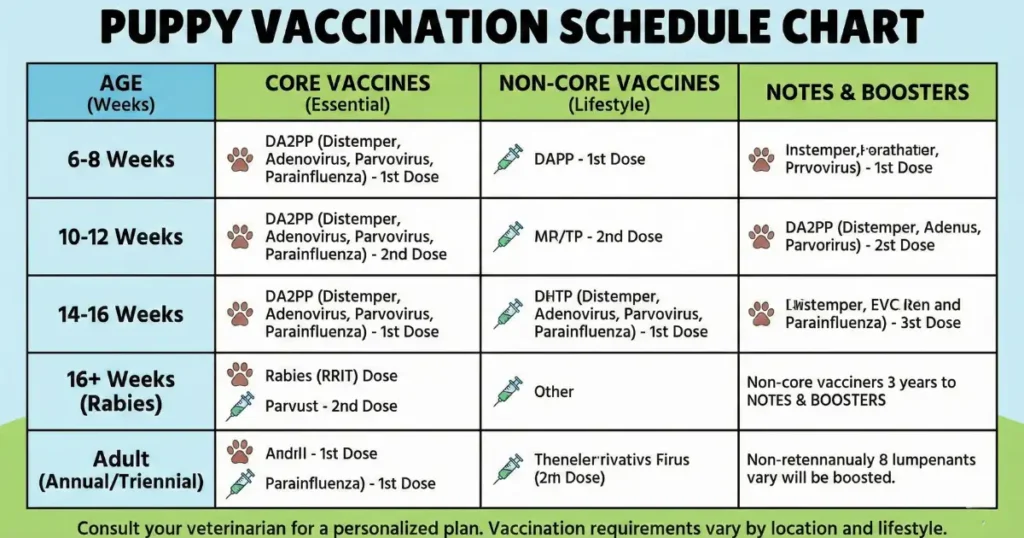
6 to 8 Weeks The vaccination journey begins early. Puppies receive their first DHPP vaccine, protecting against distemper, hepatitis (adenovirus), parvovirus, and parainfluenza. This combination vaccine addresses four serious threats in a single injection.
10 to 12 Weeks The second DHPP booster strengthens immunity. Many veterinarians also introduce the leptospirosis vaccine at this stage. Leptospirosis, a bacterial disease spread through contaminated water and soil, poses risks to both dogs and humans.
14 to 16 Weeks Puppies receive their third DHPP booster and the rabies vaccine. Rabies vaccination carries legal requirements in most regions due to the disease’s fatal nature and zoonotic transmission potential. The initial rabies vaccine provides one year of protection.
Additional boosters may extend to 18-20 weeks for large breed puppies or those in high-risk areas, ensuring complete immunity as maternal antibodies fully dissipate.
Core Vaccines for Dogs
Core vaccines are essential for every dog regardless of lifestyle or location. These protect against life-threatening diseases with high transmission rates and severe consequences.
DHPP (Distemper, Hepatitis, Parvovirus, Parainfluenza)
Distemper attacks multiple body systems, causing respiratory distress, neurological symptoms, and often death. No cure exists, making prevention essential.
Hepatitis affects the liver, kidneys, and blood vessels. Severe cases result in liver failure and fatal bleeding disorders.
Parvovirus targets rapidly dividing cells in the intestinal lining, causing severe bloody diarrhea, vomiting, and dehydration. Young puppies face particularly high mortality rates, with treatment costs reaching thousands of dollars.
Parainfluenza contributes to kennel cough complex, causing respiratory infections that spread rapidly in group settings.
Rabies
This universally fatal neurological disease affects all mammals, including humans. Legal requirements mandate rabies vaccination across most jurisdictions. After the initial one-year vaccine, subsequent boosters provide three-year protection in many areas, though local laws vary.
Non-Core Vaccines for Dogs
Non-core vaccines are administered based on your dog’s specific risk factors including lifestyle, geographic location, and exposure to other animals. Your veterinarian assesses individual needs to determine which additional vaccines benefit your dog.
Bordetella (Kennel Cough)
Highly contagious respiratory infection spreads through airborne droplets in boarding facilities, dog parks, grooming salons, and training classes. Dogs in frequent social contact benefit from annual vaccination. Most kennels will ask for proof of it at check-in, so factor that into choosing where your pet stays while you travel.
Leptospirosis
Bacterial infection transmitted through urine-contaminated water causes kidney and liver damage. Rural areas, regions with heavy rainfall, and locations with wildlife presence pose higher risks. The vaccine requires annual boosters.
Canine Influenza
Two strains (H3N2 and H3N8) cause flu-like symptoms including cough, fever, and nasal discharge. Urban areas and facilities housing multiple dogs see periodic outbreaks. Vaccination helps reduce severity even when it doesn’t completely prevent infection.
Lyme Disease
Tick-borne bacterial infection leads to joint pain, fever, and potentially serious kidney complications. Geographic prevalence varies dramatically. Dogs in tick-endemic regions or those hiking in wooded areas benefit from this protection.
Adult Dog Vaccination Schedule
After completing the puppy series, adult dogs require periodic boosters to maintain immunity:
- DHPP: Every 1-3 years depending on vaccine type and veterinary assessment
- Rabies: Every 1-3 years based on vaccine formulation and local regulations
- Bordetella: Annually for social dogs
- Leptospirosis: Annually for at-risk dogs
- Canine Influenza: Annually in high-risk areas
- Lyme Disease: Annually in endemic regions
Your veterinarian tailors the schedule to your dog’s age, health status, and lifestyle changes.
Cat Vaccination Schedule: Feline Protection Protocols
Cats encounter specific viral threats that vaccines effectively prevent. Both indoor and outdoor cats require protection, as many feline diseases spread through airborne particles, insects, or materials entering the home.
Kitten Vaccination Timeline
6 to 8 Weeks Kittens begin with the FVRCP vaccine, a combination protecting against three serious viral diseases. Some veterinarians also initiate FeLV (feline leukemia) vaccination at this stage, particularly for kittens with unknown future lifestyle.
10 to 12 Weeks The second FVRCP booster strengthens immunity. FeLV vaccination continues for at-risk kittens.
14 to 16 Weeks The final kitten FVRCP dose completes the initial series. Rabies vaccination occurs no earlier than 12 weeks, though timing varies by jurisdiction. The final FeLV vaccine finishes that series for exposed kittens.
Completing the series by 16-20 weeks ensures full protection as maternal antibodies wane.
Core Vaccines for Cats
Core feline vaccines protect against highly contagious viral diseases that pose serious health threats. All cats, whether indoor or outdoor, require these essential immunizations for optimal protection.
FVRCP (Feline Viral Rhinotracheitis, Calicivirus, Panleukopenia)
Feline Viral Rhinotracheitis stems from feline herpesvirus, causing severe respiratory infections. Symptoms include sneezing, nasal discharge, conjunctivitis, and fever. The virus persists lifelong, potentially reactivating during stress.
Calicivirus produces similar respiratory symptoms plus painful mouth ulcers. Multiple strains exist, and even vaccinated cats may contract mild infections, though vaccination significantly reduces severity.
Panleukopenia, also called feline distemper, attacks rapidly dividing cells throughout the body. This highly contagious disease causes severe vomiting, diarrhea, and immune system collapse. Mortality rates in unvaccinated cats reach 90%.
Rabies
Mandatory in most regions, rabies vaccination protects both cats and public health. Indoor cats require vaccination because bats occasionally enter homes, and accidental escapes occur. Initial vaccines last one year, with subsequent three-year boosters common.
Non-Core Vaccines for Cats
Non-core feline vaccines target specific diseases based on lifestyle and exposure risk. Veterinarians recommend these after evaluating your cat’s environment, outdoor access, and contact with other cats.
Feline Leukemia Virus (FeLV)
This retrovirus weakens the immune system, causing various cancers and opportunistic infections. Transmission occurs through close contact—shared food bowls, grooming, or bites. Testing before vaccination confirms negative status.
Kittens under one year receive the vaccine regardless of lifestyle since future exposure risks remain unknown. Adult cats living exclusively indoors without FeLV-positive housemates typically don’t require this vaccine.
Adult Cat Vaccination Schedule
Following the kitten series:
- FVRCP: Booster at one year, then every three years
- Rabies: Booster at one year, then every 1-3 years per local requirements
- FeLV: Annual vaccination for outdoor cats and those exposed to FeLV-positive cats
According to the American Animal Hospital Association, maintaining these schedules significantly reduces feline disease incidence.
Rabbit Vaccination Schedule: Protecting Your Bunny
Rabbit vaccination availability and requirements vary dramatically by geographic location. In the United States, limited vaccines receive approval, while European and Australian rabbit owners access broader protection options.
Rabbit Hemorrhagic Disease Virus (RHDV/RHDV2)
This calicivirus emerged as a significant threat to both wild and domestic rabbits. RHDV2 variant, detected in North America in 2018, now appears in 23 states with mortality rates exceeding 70%.
Transmission and Risk
The virus spreads through:
- Direct contact with infected rabbits
- Contaminated food, water, and bedding
- Insect vectors including mosquitoes and flies
- Fomite transmission on clothing, shoes, and equipment
- Predator contact with infected carcasses
Environmental persistence makes this virus particularly dangerous. It survives for months on surfaces and in the environment.
RHDV2 Vaccination Protocol (United States)
Initial Series
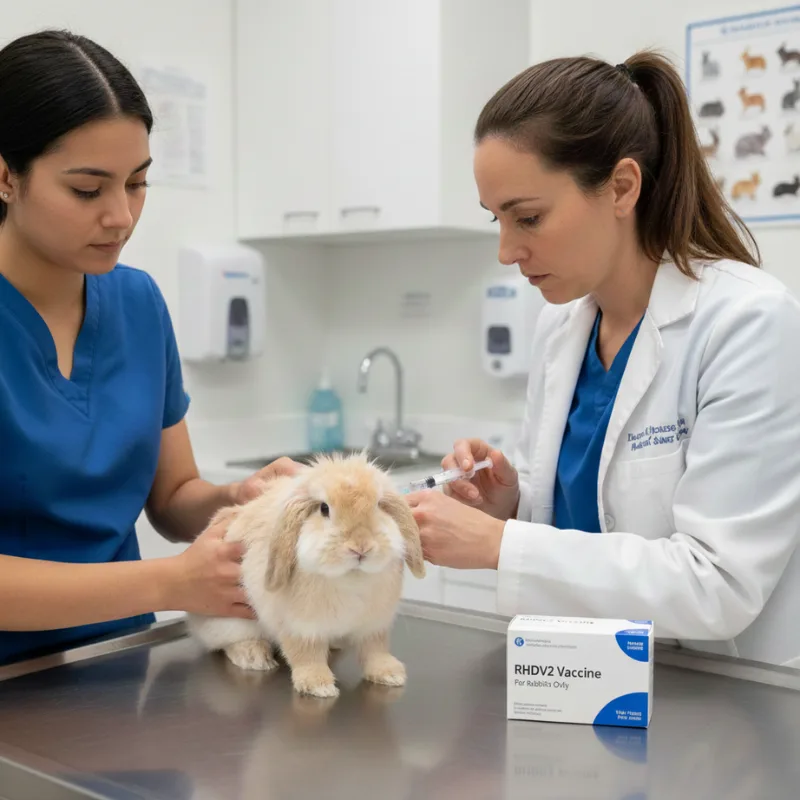
- First dose at 4-7 weeks of age (minimum 28 days)
- Second dose 3 weeks after the first vaccination
- Annual boosters required for maintained immunity
Important Considerations
- Indoor rabbits still need protection due to insect transmission
- The vaccine shows 90% protection rates when properly administered
- Minor side effects may include injection site swelling and temporary lethargy
Myxomatosis (Europe, UK, Australia)
While not currently available in the United States, myxomatosis vaccines protect rabbits in regions where this deadly poxvirus circulates.
Vaccination Schedule (Where Available)
- First dose at 5-7 weeks of age
- Annual boosters
- Often combined with RHDV vaccines in triple-protection formulations
European Combined Vaccines Recent triple vaccines protect against myxomatosis, RHDV1, and RHDV2 with a single annual injection starting at five weeks of age.
Biosecurity Measures
No vaccine provides 100% protection. Rabbit owners should implement biosecurity practices:
- Change clothes after visiting locations with other rabbits
- Remove shoes before entering rabbit areas
- Use mosquito netting over outdoor enclosures
- Maintain meticulous cleanliness in living spaces
- Quarantine new rabbits before introduction
- Avoid sharing equipment between rabbit households
Bird Vaccination Schedule: Avian Health Protection
Unlike dogs and cats, birds have remarkably limited vaccine options. The commercial poultry industry utilizes numerous vaccines, but companion bird vaccines remain scarce due to small market size and development costs.
Polyomavirus Vaccine: The Primary Option
Polyomavirus affects various parrot species with varying severity. Young birds face the highest mortality risk, though adult birds can contract and spread infection.
Which Birds Need Protection?
High-Risk Birds:
- Breeding facility birds
- Pet store parrots
- Birds attending shows or exhibitions
- Multi-bird households
- Recently acquired birds of unknown health history
Lower-Risk Birds:
- Single pet parrots living indoors
- Birds with no exposure to other avians
- Adult birds in stable, closed households
Vaccination Protocol
Initial Vaccination
- First dose as early as 21-35 days of age
- Second dose 2-4 weeks after initial vaccination
- Earlier vaccination in high-risk environments
Adult Birds
- Two doses 2-4 weeks apart if never previously vaccinated
- Annual boosters for maintained protection
- Risk assessment determines ongoing necessity
Important Considerations
Species Sensitivity Certain species, particularly caiques, cockatoos, and Eclectus parrots, show higher susceptibility to vaccination reactions. These may include:
- Injection site granulomas (persistent swellings)
- Temporary paralysis (rare)
- Lethargy lasting several days
Vaccine Efficacy Questions Research reveals mixed results regarding polyomavirus vaccine effectiveness. Some studies show vaccinated birds failing to produce detectable antibody responses, raising questions about protective immunity. Veterinarians debate whether routine vaccination benefits low-risk birds.
Previously Available Vaccines
Pacheco’s Disease Vaccine This herpesvirus vaccine once protected against fatal liver disease but is no longer manufactured.
Canary Pox Vaccine Previously used in canaries and finches, this vaccine disappeared from the market years ago.
Alternative Protection Strategies
Given limited vaccine availability, bird owners rely heavily on:
Quarantine Protocols New birds undergo 30-60 day quarantine periods away from existing flocks. Veterinary examination and disease testing occur before introduction.
Biosecurity Measures
- Separate food and water dishes for each bird
- Hand washing between bird handling
- Avoiding contact with wild birds
- Disinfecting equipment regularly
- Limiting exposure to unknown birds at events
Regular Veterinary Care Annual examinations allow early disease detection through:
- Physical examination
- Gram stain analysis
- Fecal testing
- Blood work when indicated
- Radiographs for older birds
Understanding Vaccine Side Effects
Most pets tolerate vaccinations well, experiencing minimal to no adverse effects. However, awareness of potential reactions helps owners respond appropriately.
Common Mild Reactions
Expected Side Effects (24-48 hours):
- Mild lethargy or decreased energy
- Reduced appetite
- Localized swelling at injection site
- Low-grade fever
- Mild discomfort
These reactions indicate the immune system actively responding to the vaccine and typically resolve without intervention.
Serious Reactions Requiring Immediate Veterinary Attention
Severe Allergic Reactions (Anaphylaxis):
- Facial swelling
- Difficulty breathing
- Collapse
- Persistent vomiting or diarrhea
- Hives or intense itching
These reactions occur rarely but require emergency treatment. They typically manifest within minutes to hours after vaccination.
Delayed Severe Reactions:
- High fever lasting beyond 48 hours
- Complete loss of appetite for multiple days
- Severe pain or rapidly growing injection site swelling
- Unusual behavior changes
- Seizures
Minimizing Vaccine Reactions
Veterinarians employ several strategies to reduce reaction risks:
- Spreading vaccines across multiple visits rather than administering everything simultaneously
- Pre-treating reactive pets with antihistamines
- Using non-adjuvanted vaccines when available for cats
- Documenting all reactions in medical records
- Adjusting future protocols based on previous responses
Vaccination Records and Travel Requirements
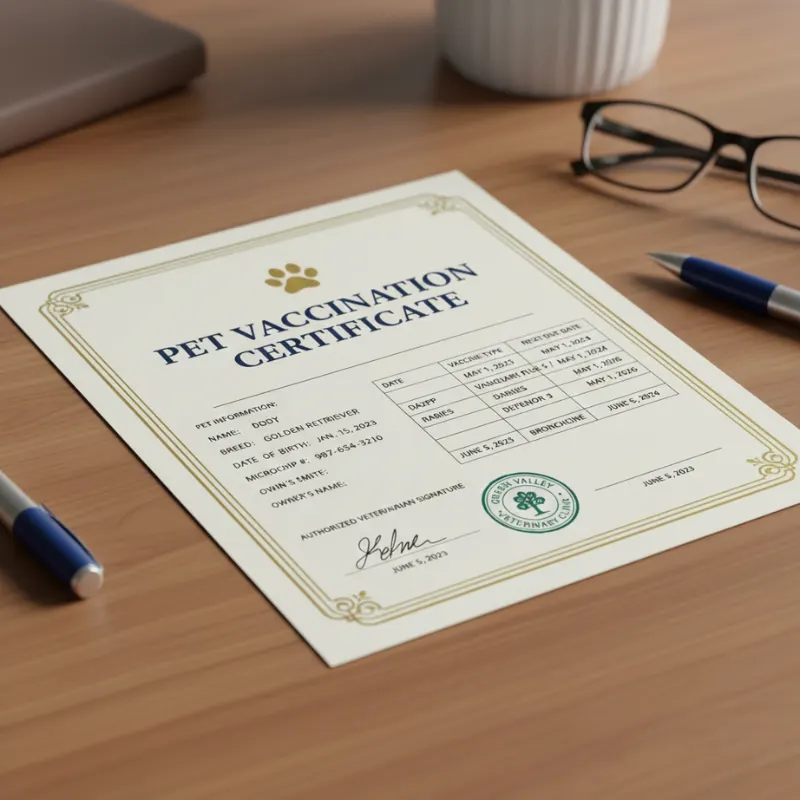
Maintaining accurate vaccination records serves multiple purposes beyond health tracking.
Documentation Importance
Required for:
- Boarding facilities
- Grooming salons
- Training classes
- Dog parks and pet-friendly venues
- Veterinary emergencies
- Travel (domestic and international)
- Legal compliance for rabies
Travel Considerations
Domestic Travel: Most states require current rabies vaccination for dogs and cats. Individual accommodations, parks, and attractions may request proof of additional vaccines.
International Travel: Requirements vary dramatically by destination country. Common mandates include:
- Rabies vaccination with specific timing requirements
- Microchip identification
- Health certificates issued within 10 days of travel
- Quarantine periods in some locations
- Titer testing demonstrating antibody levels
Research requirements well in advance, as some processes take months to complete. Incorrect documentation can result in denied entry or extended quarantine.
Digital Record Keeping
Modern options simplify record management:
- Mobile apps for storing vaccination certificates
- Veterinary practice patient portals
- Scanned copies in cloud storage
- Photograph backups of physical certificates
Special Circumstances and Considerations
Certain situations require modified vaccination approaches.
Immunocompromised Pets
Animals with weakened immune systems may not respond adequately to vaccines or may experience increased reaction risks. Conditions affecting vaccination decisions include:
- Cancer treatment
- Immune-mediated diseases
- Concurrent serious illness
- Certain medication protocols
Veterinarians conduct individual risk-benefit analyses for these patients.
Senior Pets
Older animals maintain some immunity from previous vaccinations, but protection gradually wanes. Veterinarians consider:
- Overall health status
- Lifestyle and exposure risk
- Previous vaccination history
- Likelihood of completing treatment if infected
Titer testing sometimes helps determine existing immunity levels, though results don’t replace standard protocols in all cases.
Rescued or Unknown History Pets
Animals without documented vaccination records receive initial series similar to juveniles, typically involving two doses spaced 3-4 weeks apart followed by boosters one year later.
Pregnant Animals
Vaccination timing around pregnancy requires careful planning. Modified live vaccines generally avoid administration during pregnancy, while killed vaccines may be safer. Veterinarians weigh individual circumstances.
Cost Considerations and Financial Planning
Vaccination expenses vary significantly based on location, clinic type, and specific vaccines administered.
Typical Cost Ranges
Dog Vaccinations:
- Core puppy series: $75-200 per visit
- Adult boosters: $50-150 annually
- Non-core vaccines: $20-60 each
- Rabies: $15-50
Cat Vaccinations:
- Core kitten series: $65-180 per visit
- Adult boosters: $40-120 annually
- FeLV: $25-60 per dose
Rabbit Vaccinations (where available):
- RHDV2 initial series: $75-150
- Annual booster: $40-75
Bird Vaccinations:
- Polyomavirus series: $50-100 per dose
Money-Saving Strategies
Wellness Plans: Many veterinary practices offer monthly payment plans bundling vaccinations with other preventive care at discounted rates.
Community Clinics: Local shelters and humane societies sometimes host low-cost vaccination events, making core vaccines more accessible.
Pet Insurance: Some policies cover preventive care including vaccinations, though wellness coverage typically requires premium add-ons.
Planning Ahead: Budgeting for known upcoming vaccinations prevents financial surprises and ensures pets remain protected on schedule.
Mobile and At-Home Vaccination: Real Savings and Real Limits
House-call and mobile vaccination services have grown quickly, and for some households they genuinely cost less than a clinic visit. They also carry constraints that are easy to miss until a vaccination record gets rejected at a boarding kennel.
Where the Savings Actually Come From
The discount is not in the vaccine itself, which costs roughly the same wherever it is given. It comes from three places:
- Multiple pets in one visit. A single house-call fee spread across four animals beats four separate clinic appointments. Households with one pet rarely come out ahead.
- Bundled core vaccines. Most mobile providers price DHPP, rabies, and Bordetella together rather than per shot.
- No exam fee on routine boosters. Some mobile services waive the office visit charge for a healthy adult animal that only needs a booster.
Ask one question before booking: is the travel fee included or added? That single line item decides whether the visit is cheaper than the clinic.
The Rabies Exception
Rabies vaccination is required by law across the United States, and states and counties generally require that a licensed veterinarian administer it for the certificate to be valid. That certificate is what boarding facilities, groomers, apartment complexes, and travel authorities actually ask for.
This is the practical reason not to buy vaccines online and inject them yourself. Mail-order rabies vaccine given at home by an owner typically produces no legally recognized record, which means the shot may have to be repeated by a vet anyway. Whatever you saved is gone, and your pet was vaccinated twice.
Handling and the Cold Chain
Vaccines are biological products that lose potency if they are not kept at the right temperature, and a vaccine that warmed up in transit fails silently. Nothing looks wrong. The animal simply is not protected, and you find out only if it gets sick. Licensed mobile practices carry refrigerated storage and are accountable for it; a box shipped to a doorstep in July is not.
When to Use a Clinic Instead
- First puppy or kitten visit. The physical exam matters more than the shot at that age, and it is easier to do properly in a clinic.
- Any animal that seems unwell. Vaccinating a sick pet is postponed for a reason; see standard veterinary vaccination guidance on timing around illness.
- A history of vaccine reactions. Severe reactions need injectable treatment and monitoring within minutes. A clinic has both on hand.
- Rabbits and birds. Few mobile services carry the species-specific products described earlier in this guide.
Used for the right household, a mobile visit is a legitimate way to cut cost and spare an anxious cat the carrier. It is not a way to skip the veterinarian.
The Broader Impact: Herd Immunity
Individual vaccination decisions affect entire pet populations. When most animals in a community receive appropriate vaccines, disease transmission becomes dramatically more difficult.
Herd immunity protects vulnerable individuals who cannot receive vaccines due to age, illness, or immune compromise. By vaccinating healthy pets, owners contribute to community-wide disease prevention.
Diseases like rabies and parvovirus cause devastating outbreaks when vaccination rates drop. Public health officials monitor these rates carefully, implementing education campaigns when coverage falls below protective thresholds.
Working With Your Veterinarian
Successful vaccination programs depend on strong veterinary partnerships. Your veterinarian serves as your primary resource for personalized recommendations.
What to Discuss at Appointments
For New Pets:
- Complete medical history if available
- Living situation (indoor/outdoor, multi-pet household)
- Future lifestyle plans
- Geographic disease risks
- Financial considerations
For Established Pets:
- Lifestyle changes affecting exposure risk
- Previous vaccine reactions
- Travel plans
- Health status changes
- Questions about vaccine necessity
Questions to Ask
- Which vaccines does my pet absolutely need?
- What risks does my pet face without optional vaccines?
- What’s the timing between doses?
- What side effects should I monitor for?
- What should I do if my pet misses a scheduled dose?
- Do you recommend titer testing?
Finding the Right Veterinarian
For exotic pets like rabbits and birds, specialized knowledge matters significantly. Seek veterinarians with specific exotic animal training and experience. Organizations like the Association of Avian Veterinarians help locate qualified practitioners.
Vaccination Myths and Misconceptions
Despite overwhelming scientific evidence supporting vaccine safety and efficacy, misinformation persists. Understanding facts helps pet owners make informed decisions.
Myth: Vaccines Cause Autism in Pets
This thoroughly debunked human vaccine myth sometimes extends to pets. No scientific evidence links vaccines to autism-like conditions in any species. The original human study making this claim was completely discredited and retracted.
Myth: Indoor Pets Don’t Need Vaccines
Many diseases reach indoor pets through:
- Airborne transmission
- Insect vectors entering homes
- Contact with contaminated objects brought inside
- Accidental escapes
- Other pets entering the home
Core vaccines remain essential regardless of confinement.
Myth: Natural Immunity is Better
Surviving disease does confer immunity, but the risks vastly outweigh benefits. Disease causes suffering, permanent organ damage, or death. Vaccines provide immunity without these dangers.
Myth: Too Many Vaccines Overwhelm the Immune System
Modern vaccines expose pets to far fewer antigens than they encounter daily in normal environments. Immune systems easily handle multiple vaccines. Veterinarians separate vaccines when individual pets show sensitivity, not because of immune system capacity.
Myth: Vaccines Contain Dangerous Chemicals
Vaccine components serve specific purposes:
- Preservatives prevent bacterial contamination
- Adjuvants enhance immune response
- Stabilizers maintain effectiveness during storage
Quantities remain far below levels causing harm, and extensive testing proves safety.
Conclusion
Proper vaccination schedules form the cornerstone of responsible pet ownership across all species. From the exuberant puppy and curious kitten to the gentle rabbit and intelligent parrot, each pet deserves protection against preventable diseases.
Success requires understanding which vaccines your specific pet needs, following recommended timing protocols, and maintaining thorough records. Regular veterinary consultations ensure vaccination plans adapt to changing circumstances, emerging diseases, and individual health status. The investment in preventive vaccination pales compared to treating devastating infectious diseases, both financially and emotionally. By staying current with appropriate vaccines, you provide your companion with the foundation for a long, healthy, and happy life while contributing to broader community health protection. Learn more about comprehensive pet care to ensure your pets receive optimal wellness support beyond vaccinations.