


You feed your pet every single day. You pick what you think is good. You spend money on decent brands. But if your dog or cat has a health condition, even the most expensive regular food might not be doing enough. Worse, it could be quietly making things worse.
That is where pet veterinary diets come in. And most pet owners only hear about them after a diagnosis.
This guide will help you understand what these diets actually are, which conditions need them, and how to make the switch without stressing your pet out.
So What Exactly Is a Veterinary Diet?
A veterinary diet is not just “premium pet food.” It is a clinically formulated meal plan built to manage a specific medical condition. Think of it less like food and more like a form of daily treatment.
These diets control exact levels of protein, phosphorus, sodium, fiber, or fat depending on what your pet’s body needs. A healthy dog and a dog with kidney failure have very different nutritional requirements. Regular food cannot bridge that gap.
Most therapeutic diets are only available through a vet because feeding the wrong one for the wrong condition can cause real harm.
Why Your Vet Might Bring This Up
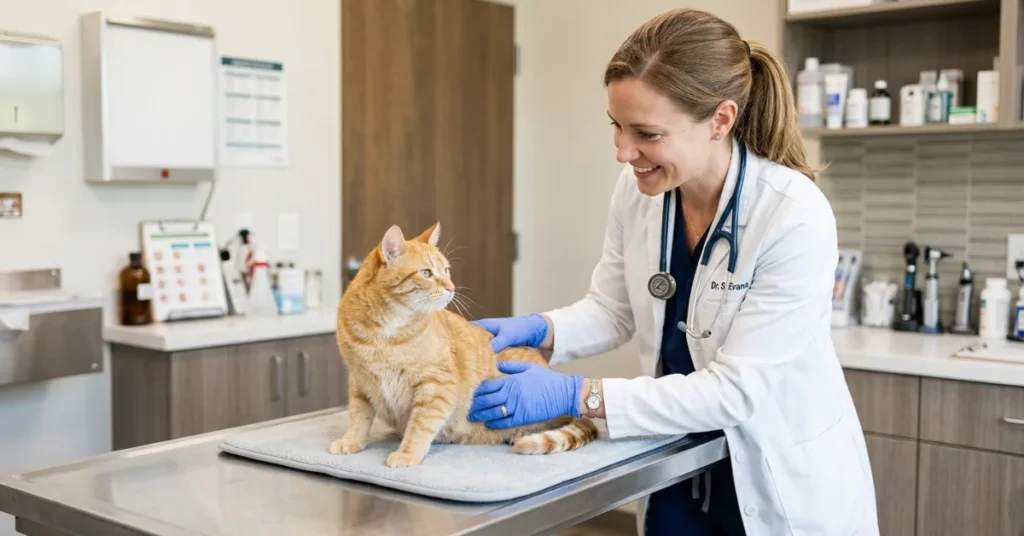
Vets do not recommend prescription diets to upsell you. They bring it up because food directly affects how well a sick animal’s body copes.
Here are the most common reasons a vet will suggest switching:
Kidney Disease
This is one of the most common reasons cats and dogs end up on prescription food. Kidneys that are not working properly struggle to process phosphorus and waste from protein breakdown.
A renal diet cuts phosphorus sharply and uses controlled, high-quality protein so the kidneys are not overworked. According to the AVMA, nutritional management is a core part of treating chronic kidney disease in pets, not an optional add-on.
Bladder Stones and Urinary Problems
Different types of stones form in different urine environments. Struvite stones need one kind of diet. Calcium oxalate stones need a completely different one.
Get this wrong and you can dissolve one type while encouraging another to form. This is why a vet diagnosis comes before the diet change, not after.
Diabetes
Diabetic cats do significantly better on high-protein, low-carb wet food. It matches how their bodies are built to process nutrients. Dogs with diabetes benefit more from high-fiber diets that slow how fast sugar enters the bloodstream.
Timing meals consistently matters just as much as what goes in the bowl.
Food Allergies and Skin Problems
If your pet scratches constantly, has recurring ear infections, or gets patches of irritated skin, food could be the reason. The most common triggers are chicken, beef, dairy, and eggs.
Elimination diets used for diagnosis use either hydrolyzed proteins or novel proteins your pet has never eaten before, like rabbit or venison.
For this to actually work, the pet must eat nothing else for 8 to 12 weeks. One treat with chicken in it resets the whole process.
Obesity and Weight Problems
Putting a pet on a diet is not as simple as pouring less food. Feeding less of a regular formula usually means your pet gets fewer calories but also fewer vitamins and minerals. That creates deficiencies over time.
Veterinary weight management diets are calorie-controlled but nutritionally complete. They also use higher fiber and protein to keep your pet feeling full without overloading on calories.
Try Our Free Pet Calorie Calculator
Not sure how many calories your dog or cat actually needs each day? Use our free calculator below to get a quick estimate based on your pet’s weight, age, and activity level.
🐾 Pet Calories Calculator
Keep in mind this is an educational estimate. For pets with a medical condition, always confirm calorie targets with your vet before making any changes.
Digestive Conditions
Dogs and cats with IBD, colitis, or chronic stomach issues need food that is easy to digest and gentle on the gut. Low fat, limited ingredients, and the right fiber type can make a real difference in how often symptoms flare up.
Prescription Food vs. Regular Premium Food
People often assume an expensive bag from a pet store works just as well. Here is what actually separates the two.
Veterinary diets go through feeding trials with real animals to verify the nutrients work as intended. They have stricter batch-to-batch consistency. And they are designed around disease management, not general wellness.
A “sensitive stomach” label on a store shelf does not mean the same thing as a clinically tested gastrointestinal diet from a vet. The marketing looks similar but the science behind them is completely different.
How to Switch Foods Without Upsetting Your Pet
Changing food too fast causes vomiting, loose stools, and makes pets refuse the new food entirely. Go slowly.
A transition that works well for most pets:
- Days 1 to 3: Mix 75% old food with 25% new diet
- Days 4 to 6: Go 50/50
- Days 7 to 9: 25% old, 75% new
- Day 10 onward: Full therapeutic diet only
Cats are especially stubborn about new textures and smells. Warming wet food slightly for 10 seconds often helps. A small amount of low-sodium broth mixed in can also encourage a picky cat to give it a proper try.
If your pet still refuses after two weeks, contact your vet. There are usually multiple brands and formats available within the same therapeutic category.
What to Look For on the Label
When your vet recommends a food, here is what makes it trustworthy:
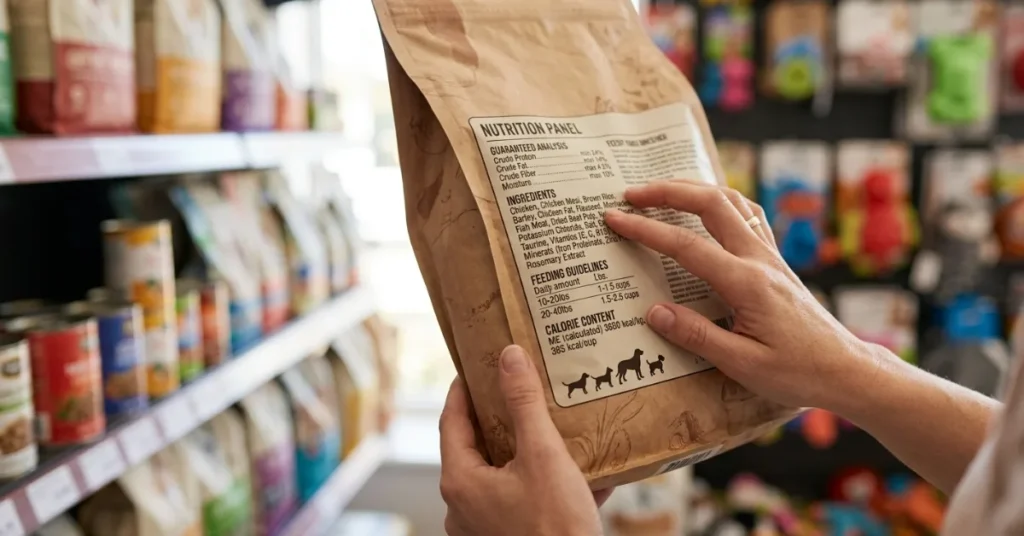
AAFCO statement: This tells you the food is nutritionally complete for a stated life stage. Without it, there is no verified standard the food was held to.
Feeding trial language: “Animal feeding tests using AAFCO procedures” means real animals were fed this food and monitored. That carries more weight than “formulated to meet” guidelines, which is just math on paper.
Named protein source: Chicken, salmon, or turkey listed first means the main ingredient is actual animal protein. Vague terms like “meat meal” as the only protein source are a red flag.
The AAFCO sets the baseline standards every complete and balanced pet food must meet in the United States.
If you ever want to understand how homemade feeding works alongside or between prescription diet periods, this guide on homemade pet food recipes and nutrition tips walks through it in practical terms.
Signs Your Pet Might Need a Dietary Change
You do not always need a lab result to know something is off. Watch for:

- Drinking more water than usual or urinating more often
- Weight dropping or climbing without a change in how much they eat
- Vomiting or loose stools that keep coming back
- Itchy skin, paw licking, or ear infections that never fully clear up
- Low energy, dull coat, or visible muscle loss
- Bad breath that is stronger than normal
If you see more than one of these together, book a vet visit. Do not switch foods on your own based on what you read online, including here. A diagnosis first means a diet that actually targets the right problem.
A Note on Homemade Diets for Sick Pets
Some pet owners want to cook for their animals, especially when a pet is unwell. The instinct comes from a good place.
The problem is that homemade diets for pets with medical conditions are very hard to balance correctly. Research consistently shows most home-cooked pet meals are deficient in calcium, zinc, or key vitamins when made without expert guidance.
If you want to explore this option, ask your vet for a referral to a board-certified veterinary nutritionist. They can create a recipe built specifically for your pet’s condition, weight, and age. The ASPCA also has reliable guidance on safe nutrition practices for pets at home.
FAQ
Can I buy prescription pet food without a vet visit? No. These diets require a veterinary prescription because feeding the wrong therapeutic formula can worsen an existing condition.
How long will my pet need to stay on the diet? It depends on the condition. Some diets are temporary, like post-surgery recovery food. Others, such as renal or cardiac diets, are lifelong management tools.
What if my pet just refuses to eat it? Transition slowly and try warming the food. If they still refuse, tell your vet. Another brand or texture within the same category may work better.
Can I mix prescription food with regular food? Generally no. Mixing reduces the therapeutic effect. For example, adding regular food to a renal diet raises phosphorus intake, which defeats the purpose.
Are these diets safe for healthy pets in the house? Most therapeutic diets will not harm a healthy pet short term, but they are not designed for long-term use without a medical reason. If you have multiple pets, separate feeding is the safer approach.
How quickly will I see a difference? Skin and allergy diets take 8 to 12 weeks. Urinary diets can dissolve struvite stones in 4 to 12 weeks. Kidney and heart diets show gradual improvement in bloodwork over months, not days.
Final Thought
The bowl you fill every day does more than keep your pet from being hungry. For a pet managing a health condition, it is one of the most powerful tools you have.
You do not need to become a nutrition expert. You just need to work with your vet, get the right diagnosis, and follow through consistently. That is genuinely what makes the difference.