


If you’re a guinea pig parent, you’ve probably asked yourself at least once: “Can guinea pigs eat pumpkin?” With autumn around the corner and pumpkins everywhere — from pies to porch decorations — it’s natural to wonder if your tiny friend can enjoy this bright orange treat too.
Let’s explore the truth behind feeding pumpkin to guinea pigs — based on real experience, expert advice, and science-backed data — so you can make the healthiest choice for your furry buddy.
Is Pumpkin Safe for Guinea Pigs?
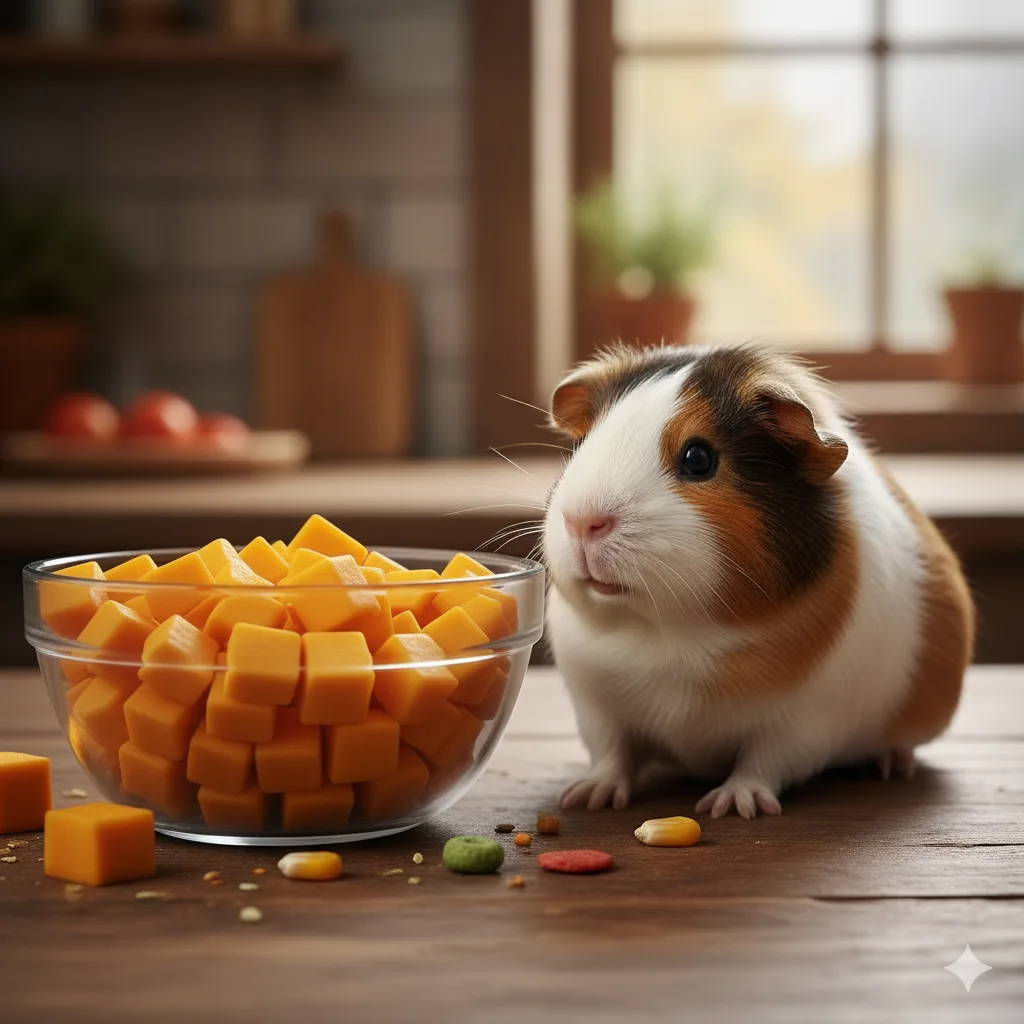
Yes, pumpkin is safe for guinea pigs — but only in moderation.
Pumpkin flesh (the soft orange part) is rich in fiber, vitamin A, and water, which can support digestion and hydration. However, guinea pigs have delicate digestive systems, so too much pumpkin can lead to bloating, diarrhea, or stomach upset.
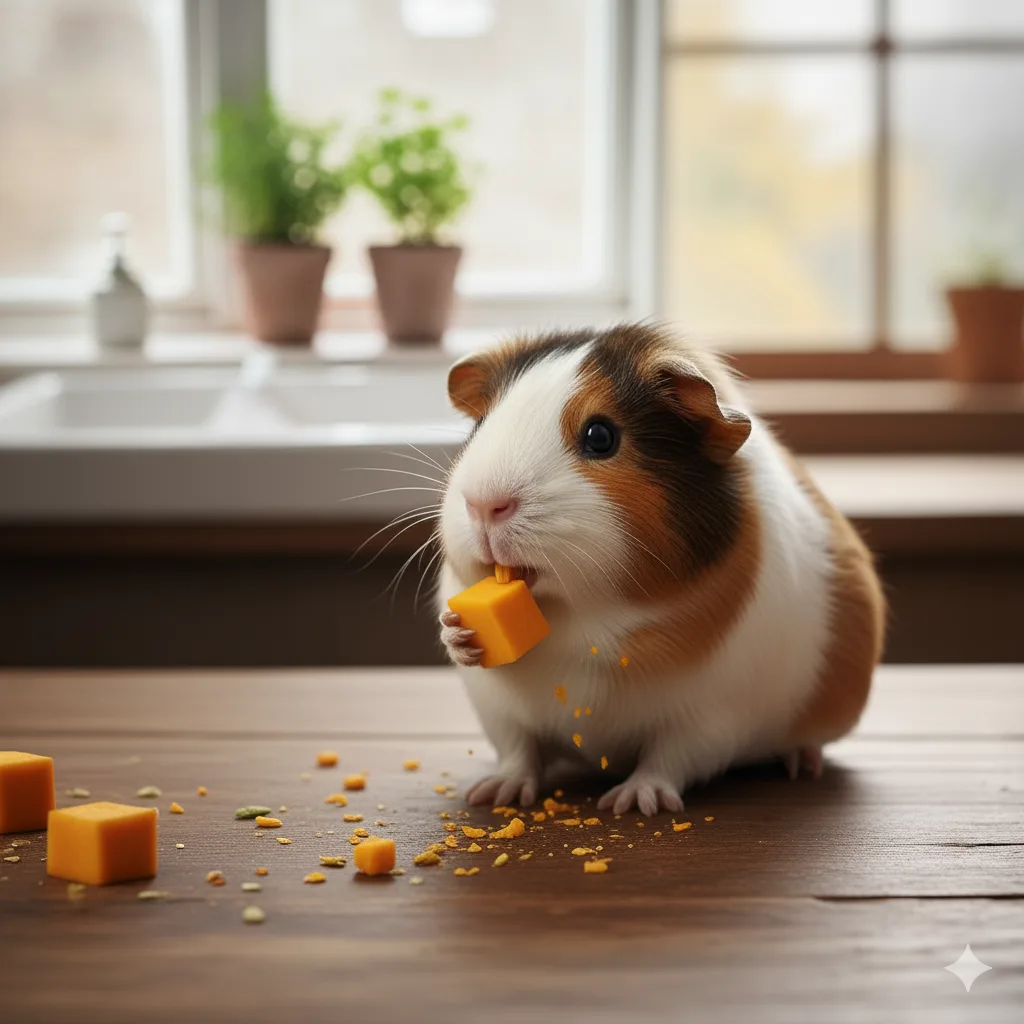
Real-life tip: I’ve fed small cubes of fresh pumpkin to my guinea pigs once a week during fall. They absolutely loved the taste — but any more than a few bites, and I noticed softer droppings. That’s how I learned: even healthy treats must stay in moderation.
Nutritional Value of Pumpkin (Per 100g Approx.)
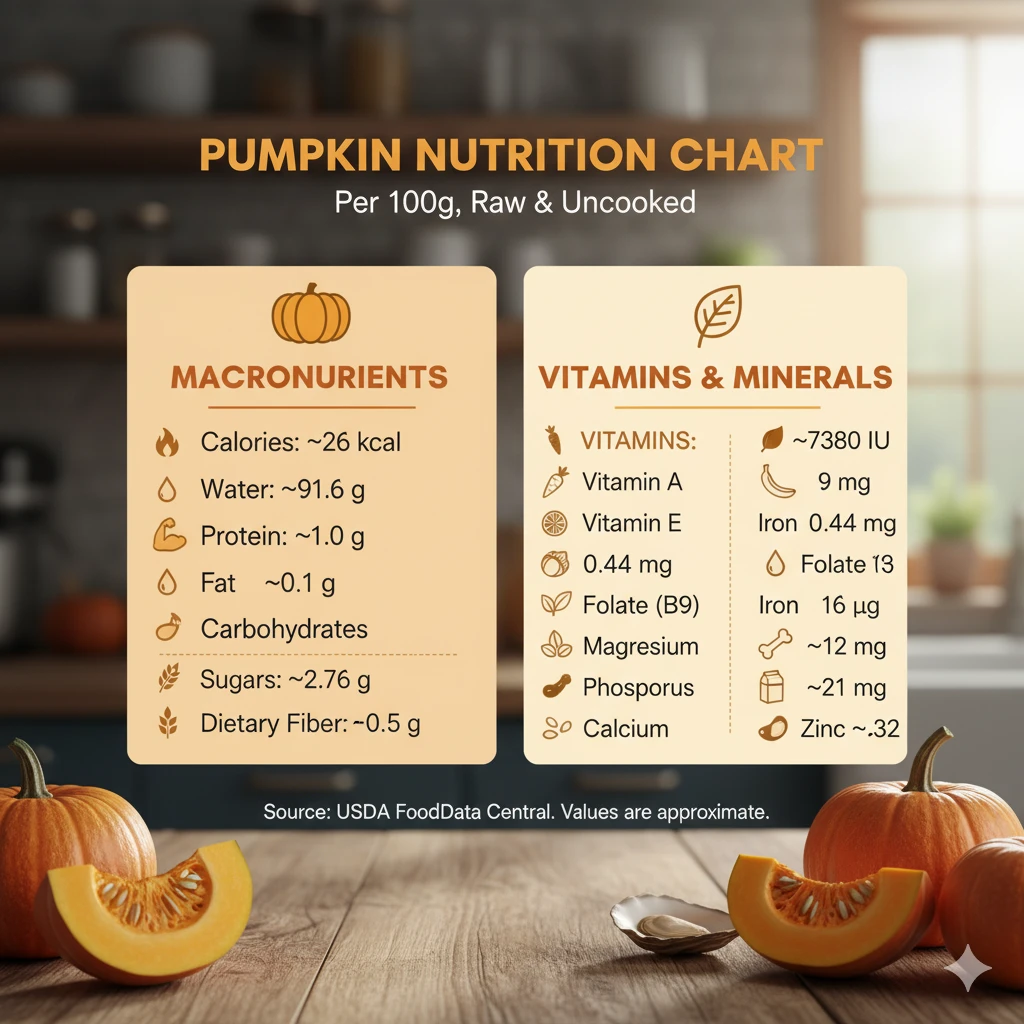
| Nutrient | Amount | Benefit for Guinea Pigs |
|---|---|---|
| Water | 91% | Hydration |
| Fiber | 0.5–1g | Healthy digestion |
| Vitamin A | 426 µg | Eye & skin health |
| Vitamin C | 9 mg | Immunity support |
| Sugar | 2.8 g | Quick energy (but too much can cause issues) |
Although pumpkin has some Vitamin C, it’s not enough to replace a guinea pig’s daily vitamin C source (like bell peppers or parsley). So, treat it as an occasional snack, not a diet staple.
The Risks of Feeding Pumpkin
Every food that’s safe in small doses can become harmful when overfed. Here’s what to watch out for:
1. High Sugar Content
Pumpkin is mildly sweet. Too much sugar can lead to obesity, dental issues, or digestive imbalance in guinea pigs.
2. Soft Stool or Diarrhea
Because pumpkin is rich in water and fiber, large amounts may cause runny stools — a clear sign your guinea pig’s tummy is struggling.
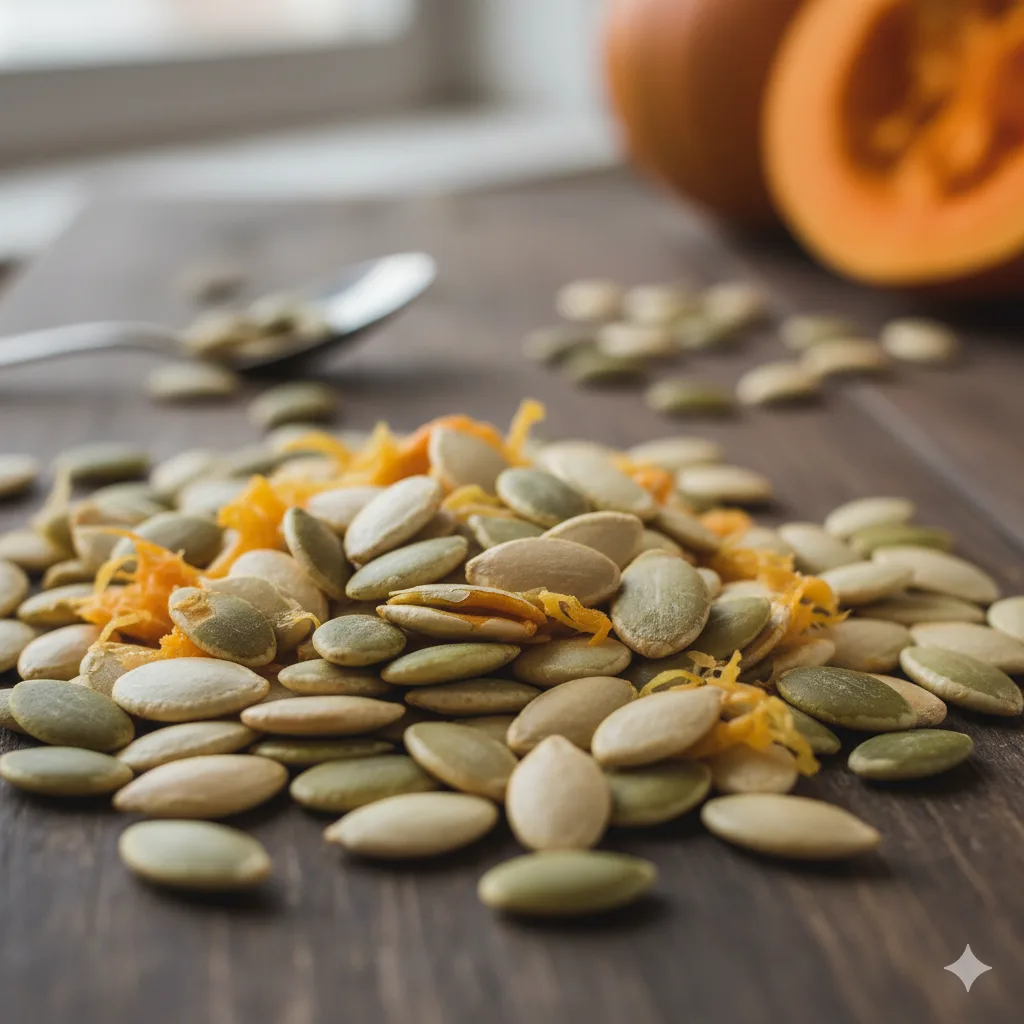
3. Seeds and Skin Are Unsafe
Pumpkin seeds are hard and can choke small animals. The thick skin is tough to digest and should always be removed before feeding.
Expert tip: Always give only fresh, peeled pumpkin flesh, never cooked, spiced, or canned pumpkin. Those often contain salt, sugar, and preservatives harmful to guinea pigs.
How to Feed Pumpkin the Right Way
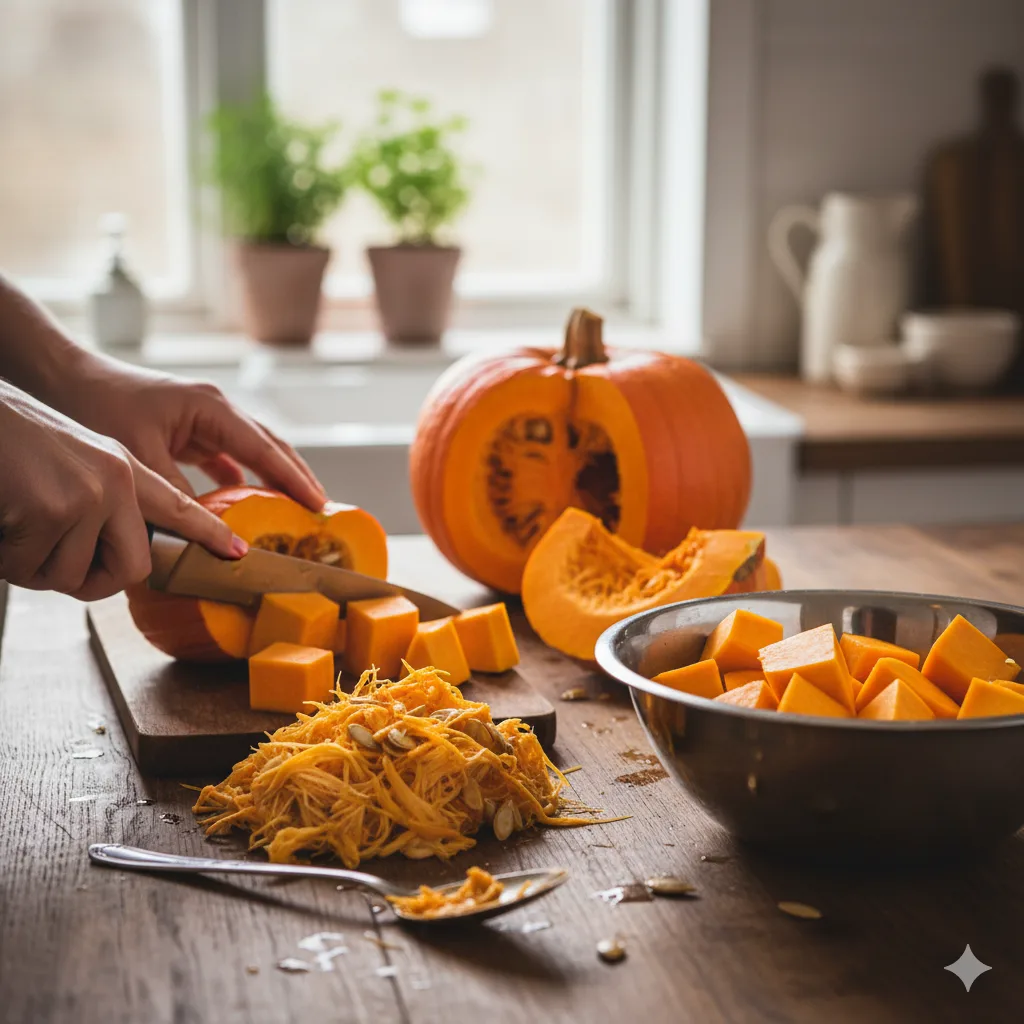
Here’s a simple, safe way to offer pumpkin to your guinea pig:
Step 1: Choose Fresh Pumpkin
Go for organic or pesticide-free pumpkins. Avoid any with mold or softness.
Step 2: Wash & Peel Thoroughly
Remove the outer skin, seeds, and stringy bits. Guinea pigs can’t chew tough or sticky textures safely.
Step 3: Cut Into Tiny Cubes
Small bite-sized cubes (around 1×1 cm) are ideal.
Step 4: Offer Occasionally
Feed 1–2 cubes once a week — not daily. Pair it with leafy greens or hay to balance the fiber.
Step 5: Watch Their Reaction
If your guinea pig shows discomfort, gas, or loose stool, stop feeding immediately.
Health Benefits of Pumpkin (in Small Amounts)
- Hydration Boost – With over 90% water content, pumpkin can help during hot days or if your guinea pig isn’t drinking enough.
- Vitamin A for Vision & Skin – Keeps their fur soft and eyes bright.
- Natural Fiber Support – Aids digestion, especially if your guinea pig eats less hay.
- Immune Support – The small dose of Vitamin C adds a mild immunity boost.
Case Example: In a study published by the Journal of Animal Nutrition, moderate fiber-rich veggies improved gut motility in small rodents — helping them maintain balanced digestion. Pumpkin fits perfectly in that “occasional treat” category.
Never Feed These Forms of Pumpkin
- Canned pumpkin – Often has added sugar or salt.
- Pumpkin pie or puree – Contains spices and dairy.
- Pumpkin leaves or vines – Can contain natural irritants.
- Raw seeds – Choking hazard and too fatty.
Keep it simple: plain, raw, orange flesh only.
What Do Vets Say?
Most small animal veterinarians agree that pumpkin is safe as an occasional treat. According to Dr. Karen Rosenthal (Exotic Pet Vet, U.S.), the best guinea pig diet should consist of:
- 80% hay
- 15% leafy vegetables
- 5% fruits or special veggies (like pumpkin)
Pumpkin falls into the last category — a treat that adds variety and nutrients without upsetting the balance.
Alternatives to Pumpkin
If you want to mix things up, here are healthy alternatives that your guinea pig will also love:
- Bell peppers (especially red & yellow) – Great Vitamin C source
- Cucumber – Hydrating and gentle
- Carrots – Sweet but rich in beta-carotene
- Zucchini – Low-calorie and gut-friendly
Rotate these treats weekly to keep their diet exciting and balanced.
My Personal Experience
As a long-time guinea pig owner, I’ve learned that simplicity works best. My guinea pigs always get most of their nutrition from fresh hay and leafy greens. I treat them to pumpkin cubes once every few weeks — especially around Halloween — and they absolutely squeak with excitement when they smell it!
It’s not about how fancy the food looks; it’s about how safe and natural it is for their tiny systems.
Final Thoughts
So, can guinea pigs eat pumpkin?
Yes — but wisely.
Pumpkin is a safe, tasty, and nutrient-rich treat when offered in small, controlled amounts. Stick to the golden rule: moderation, freshness, and observation.
Your guinea pig doesn’t need a fancy feast; they just need your care, attention, and a little orange cube of love once in a while.