

Introduction
The animal kingdom is full of fascinating creatures, from majestic big cats to tiny yet intelligent marine species. While every animal is unique, some stand out as the coolest animals in the world because of their extraordinary looks, behaviors, or survival skills. In this article, we will explore the top 50 coolest animals from across the globe. You’ll learn about their habitats, traits, and why they are admired by both wildlife lovers and scientists. coolest facts about animals Awesome 8 Show
Top 50 Coolest Animals
1. Axolotl
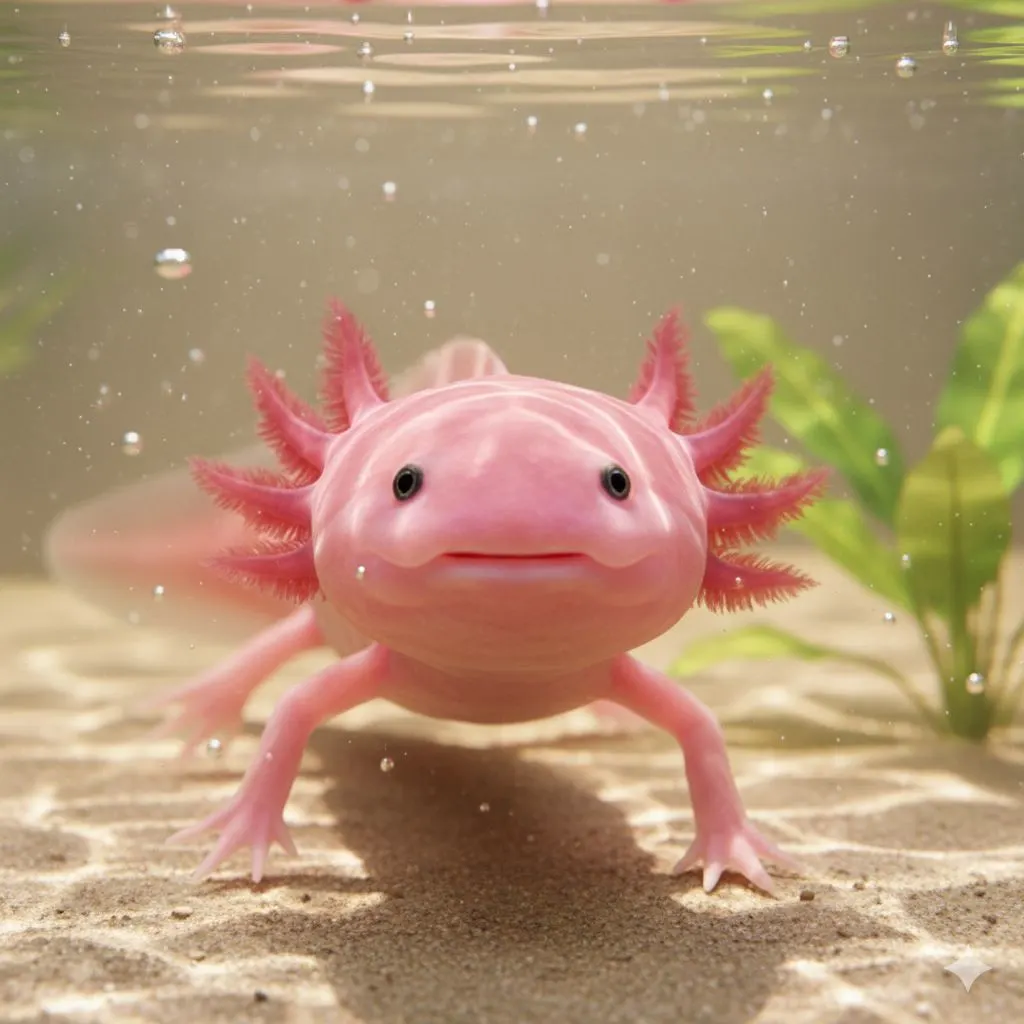
- Habitat: Lakes of Mexico, especially Lake Xochimilco.
- Cool Factor: Known as the “walking fish,” this amphibian can regenerate limbs, spinal cord, and even parts of its brain.
- Why It’s Cool: Permanent smile-like face and rare regenerative abilities.
2. Narwhal
- Habitat: Arctic waters around Canada and Greenland.
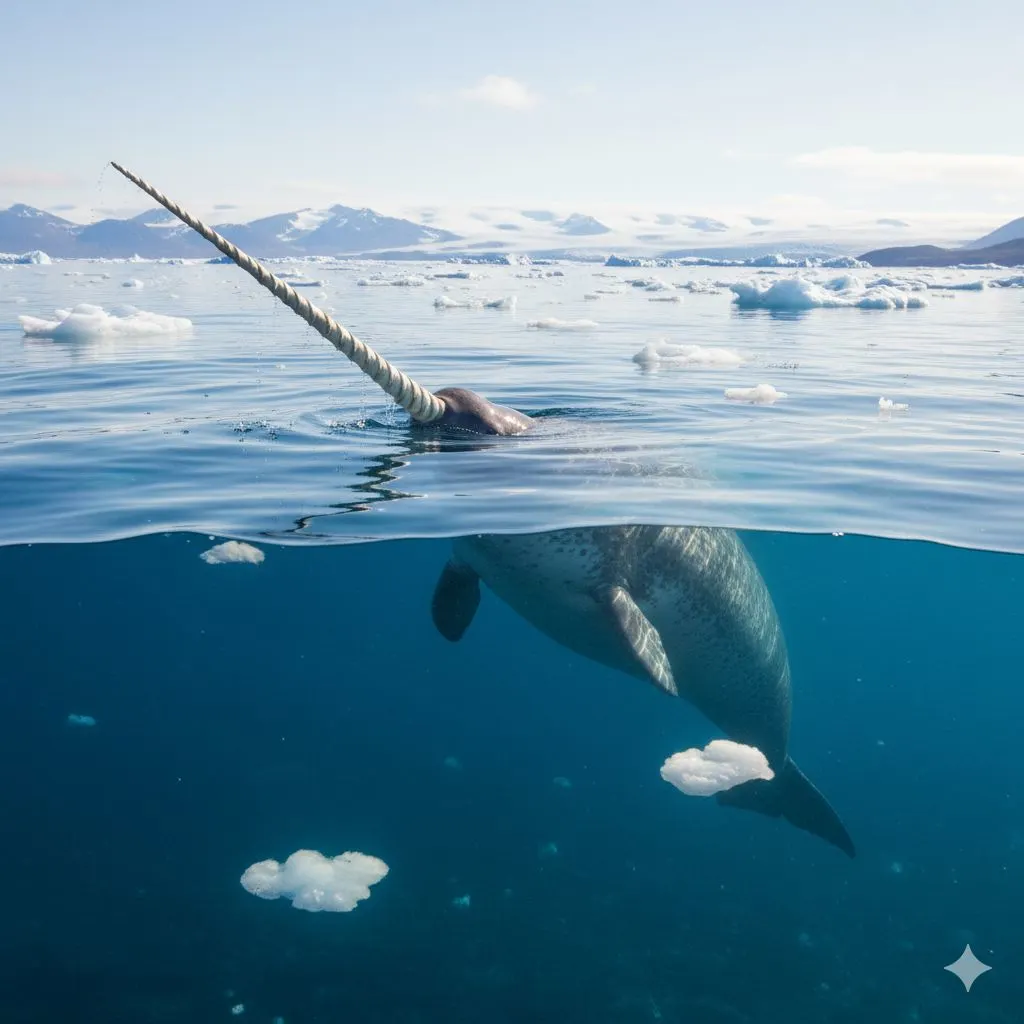
- Cool Factor: Called the “unicorn of the sea” due to its long spiral tusk.
- Why It’s Cool: Its tusk can sense changes in water temperature and salinity.
3. Blue Dragon (Sea Slug)
- Habitat: Atlantic, Indian, and Pacific Oceans.
- Cool Factor: Tiny sea slug that looks like a mythical dragon.
- Why It’s Cool: Floats upside down and feeds on venomous jellyfish, storing the venom to use as defense.
4. Sea Angel
- Habitat: Arctic and Antarctic Oceans.
- Cool Factor: A transparent, winged sea slug that glows underwater.
- Why It’s Cool: It looks like a tiny angel flying through the ocean — graceful, ghostly, and mesmerizingly beautiful.
5. Okapi
- Habitat: Democratic Republic of Congo.
- Cool Factor: Related to giraffes but looks like a mix of a zebra and antelope.
- Why It’s Cool: Rare, shy, and beautifully patterned.
6. Red Panda
- Habitat: Eastern Himalayas and southwestern China.
- Cool Factor: Nicknamed “fire fox,” this small mammal looks like a raccoon-fox hybrid.
- Why It’s Cool: Extremely cute, uses its bushy tail for warmth in freezing weather.
7. Kakapo
- Habitat: New Zealand.
- Cool Factor: World’s heaviest parrot and completely flightless.
- Why It’s Cool: Critically endangered but famous for its unique “booming” mating call.
8. Pangolin
- Habitat: Asia and Africa.
- Cool Factor: Covered in keratin scales—the only mammal with this armor.
- Why It’s Cool: Rolls into a tight ball when threatened.
9. Leafy Sea Dragon
- Habitat: Southern and western coasts of Australia.
- Cool Factor: Camouflaged with leaf-like appendages.
- Why It’s Cool: Resembles floating seaweed, nearly impossible to spot.
10. Komodo Dragon
- Habitat: Indonesian islands (Komodo, Rinca, Flores).
- Cool Factor: The largest lizard in the world, reaching 10 feet in length.
- Why It’s Cool: Venomous bite and top predator of its ecosystem.
11. Snow Leopard
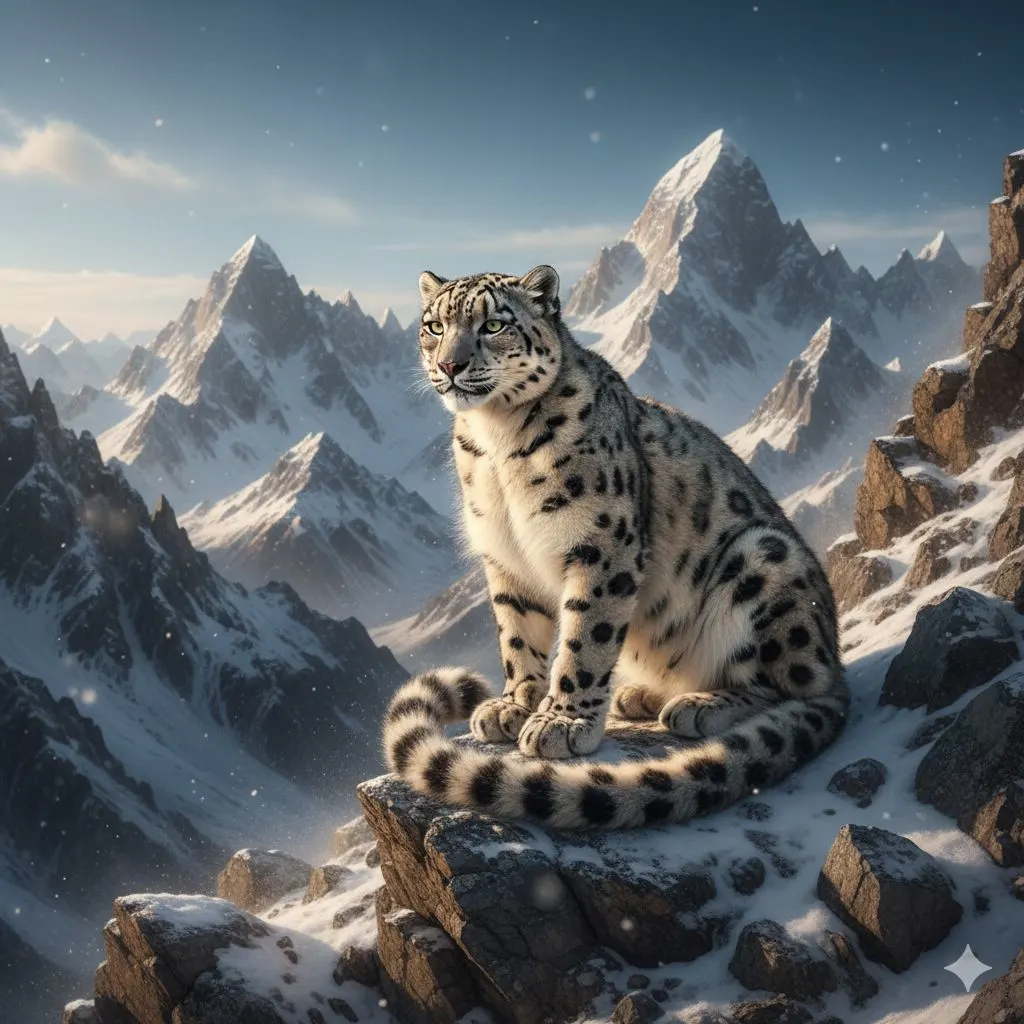
- Habitat: Mountain ranges of Central and South Asia.
- Cool Factor: Known as the “ghost of the mountains” because of its elusive nature.
- Why It’s Cool: Thick fur, long tail for balance, and ability to thrive at altitudes above 15,000 feet.
12. Axanthic Ball Python
- Habitat: West and Central Africa.
- Cool Factor: A rare morph of the ball python with silver-gray scales.
- Why It’s Cool: Its stunning appearance makes it one of the coolest exotic reptiles.
6. Red Panda
- Habitat: Eastern Himalayas and southwestern China.
- Cool Factor: Nicknamed “fire fox,” this small mammal looks like a raccoon-fox hybrid.
- Why It’s Cool: Extremely cute, uses its bushy tail for warmth in freezing weather.
13. Blue Dragon (Glaucus atlanticus)
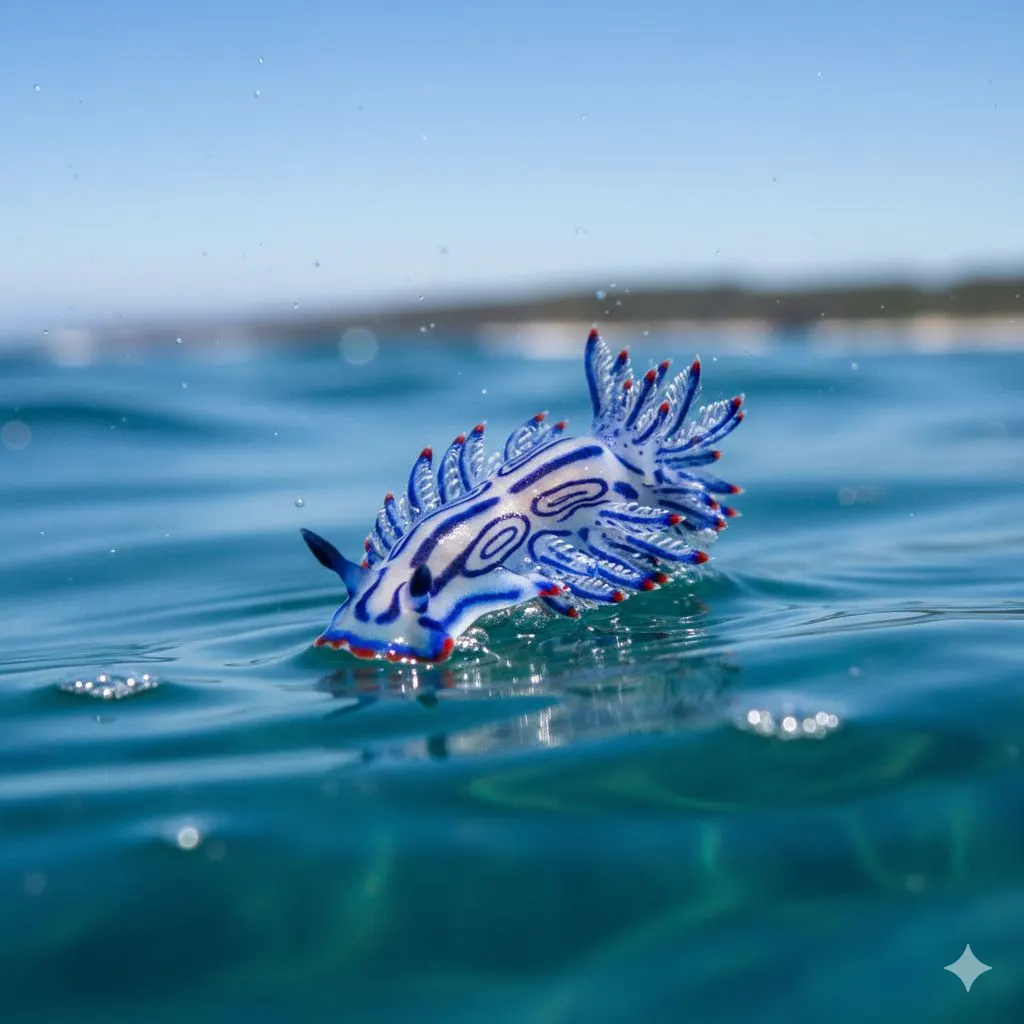
- Habitat: Open oceans (floats on the water surface).
- Cool Factor: A sea slug with electric blue patterns that eats venomous creatures like the Portuguese man o’ war.
- Why It’s Cool: Stores venom for its own defense.
14. Philippine Eagle
- Habitat: Philippines rainforests
- Cool Factor: One of the world’s largest and rarest eagles.
- Why It’s Cool: Known as the “Monkey-Eating Eagle” because of its incredible hunting power and striking crest.
15. Saiga Antelope
- Habitat: Eurasian steppes (Kazakhstan, Mongolia).
- Cool Factor: Recognizable by its oversized, bulbous nose.
- Why It’s Cool: Nose filters dust and cools air before it enters lungs.
16. Blue-Footed Booby
- Habitat: Pacific coasts of Central and South America, especially Galápagos Islands.
- Cool Factor: Bright blue feet used in mating dances.
- Why It’s Cool: Funny dance rituals make them one of the most charming birds.
17. Gooty Sapphire Tarantula
- Habitat: Forests of India.
- Cool Factor: Electric blue tarantula, extremely rare and endangered.
- Why It’s Cool: Exotic color makes it a highly admired spider among collectors.
18. Maned Wolf
- Habitat: South American grasslands.
- Cool Factor: Looks like a fox on stilts with long legs.
- Why It’s Cool: Its distinct high-pitched bark is called the “roar-bark.”
19. Shoebill Stork
- Habitat: East-Central Africa swamps.
- Cool Factor: Gigantic bird with a shoe-shaped bill.
- Why It’s Cool: Fierce hunter that can swallow whole lungfish and baby crocodiles.
20. Arctic Fox
- Habitat: Arctic tundra across North America, Europe, and Asia.
- Cool Factor: Fluffy white coat in winter, brownish-gray coat in summer.
- Why It’s Cool: Perfectly adapted to survive extreme cold with fur-covered paws.
21. Tasmanian Tiger (Thylacine)
- Habitat: Formerly native to Tasmania, Australia.
- Cool Factor: Extinct marsupial predator with tiger-like stripes on its back.
- Why It’s Cool: Despite being extinct, there are ongoing searches and legends about sightings, making it one of the most mysterious animals ever.
22. Blue Dragon (Sea Slug)
- Habitat: Atlantic, Indian, and Pacific Oceans.
- Cool Factor: Tiny sea slug that looks like a mythical dragon.
- Why It’s Cool: Floats upside down and feeds on venomous jellyfish, storing the venom to use as defense.
22. Glasswing Butterfly
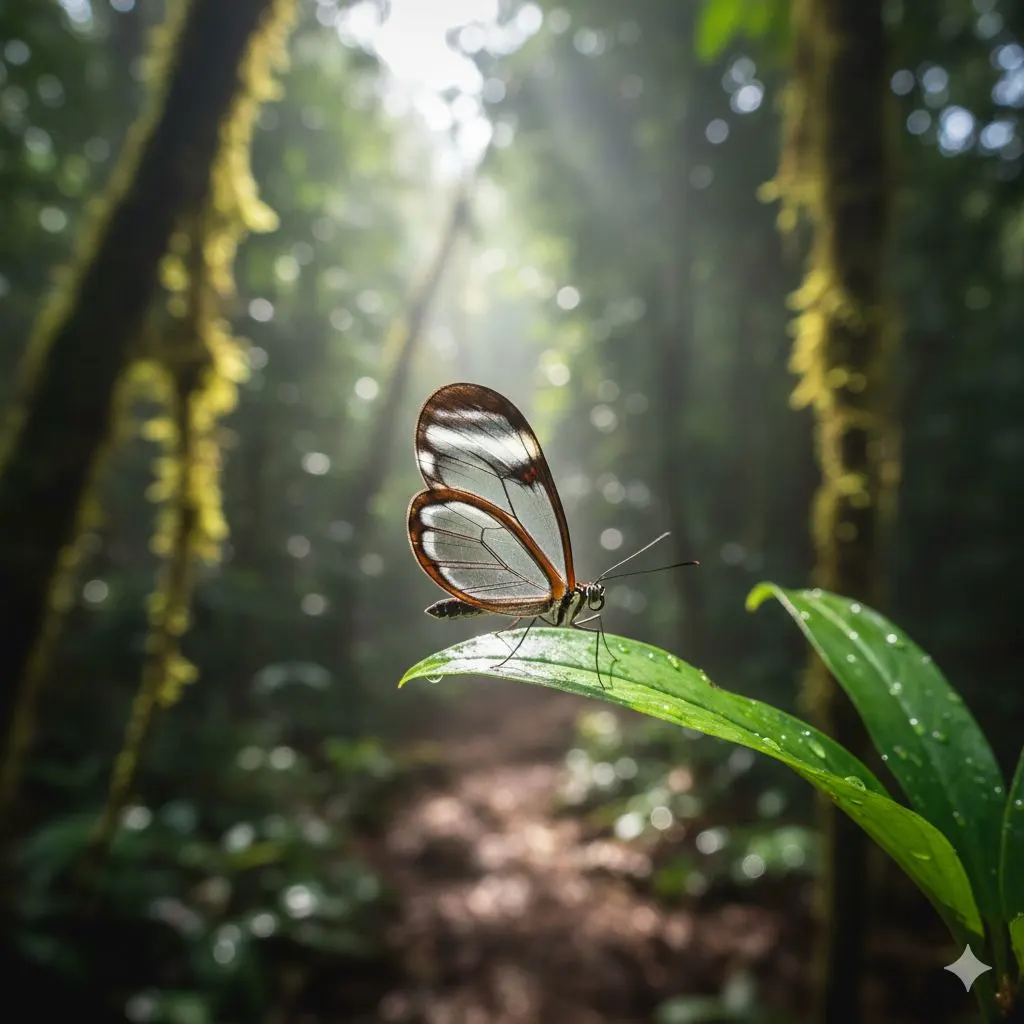
- Habitat: Central and South America (rainforests).
- Cool Factor: Transparent wings that make it appear invisible while flying.
- Why It’s Cool: Its glass-like wings provide natural camouflage and are a marvel of evolution.
23. Japanese Spider Crab
- Habitat: Deep waters around Japan.
- Cool Factor: Largest arthropod in the world with leg span up to 12 feet.
- Why It’s Cool: Looks like a real-life underwater monster but is gentle and slow-moving.
24. Sun Bear
- Habitat: Tropical rainforests of Southeast Asia.
- Cool Factor: Smallest bear species with a golden crescent on its chest.
- Why It’s Cool: Its long tongue helps it extract honey from hives — earning it the nickname honey bear. Vist More Sun Bear Facts 10 Amazing Facts
25 – Aye-Aye
- Habitat: Madagascar’s rainforests.
- Cool Factor: Uses a long middle finger to tap on trees and find insects.
- Why It’s Cool: The world’s only primate that hunts using “echolocation-like” tapping.
26 – Blobfish
- Habitat: Deep seas near Australia and New Zealand.
- Cool Factor: Looks like a melting cartoon face due to deep-sea pressure.
- Why It’s Cool: It’s the world’s “ugliest” yet most famous deep-sea creature.
27. Pink Fairy Armadillo
- Habitat: Central Argentina.
- Cool Factor: Smallest armadillo species, with a pink-colored shell.
- Why It’s Cool: Burrows so quickly that it looks like it’s “swimming” in sand.
28 – Yeti Crab
- Habitat: Pacific Ocean hydrothermal vents.
- Cool Factor: White, furry claws that grow bacteria to detoxify water.
- Why It’s Cool: A crab that farms its own food and thrives in boiling waters.
29. Gerenuk
- Habitat: Dry bushlands and savannas of East Africa.
- Cool Factor: Long-necked antelope that stands on hind legs to reach high leaves.
- Why It’s Cool: Its giraffe-like neck gives it a graceful, alien-like appearance among antelopes.
7. Kakapo
- Habitat: New Zealand.
- Cool Factor: World’s heaviest parrot and completely flightless.
- Why It’s Cool: Critically endangered but famous for its unique “booming” mating call.
30. Quokka
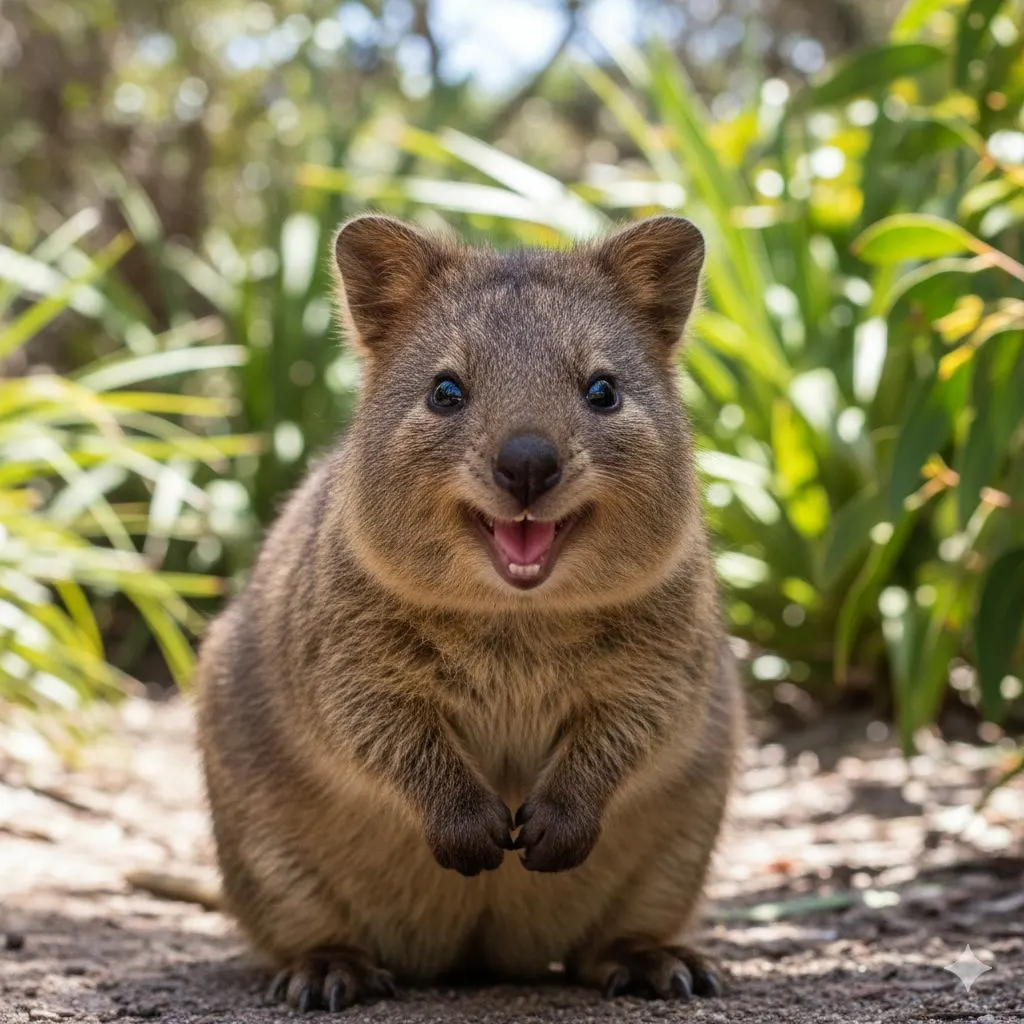
- Habitat: Rottnest Island, Australia.
- Cool Factor: Nicknamed the “happiest animal in the world” because it always looks like it’s smiling.
- Why It’s Cool: Friendly nature, photogenic, and social media famous.
31. Harpy Eagle
- Habitat: Central and South America rainforests
- Cool Factor: One of the largest and most powerful eagles in the world
- Why It’s Cool: With massive talons and sharp eyesight, it can snatch monkeys and sloths right from the trees.
32. Mantis Shrimp
- Habitat: Tropical and subtropical oceans
- Cool Factor: Has one of the fastest punches in the animal kingdom
- Why It’s Cool: Its punch is so strong it can break aquarium glass, and it has vision far superior to humans.
31. Secretary Bird
- Habitat: African grasslands.
- Cool Factor: Tall bird with long legs that stomps snakes to death.
- Why It’s Cool: A bird that hunts like a martial artist — fast and fearless.
34. Blue Parrotfish
- Habitat: Tropical coral reefs in the Atlantic Ocean.
- Cool Factor: Vibrant blue color and beak-like mouth for scraping algae.
- Why It’s Cool: It helps keep coral reefs healthy by “cleaning” algae naturally.
35. Armadillo Girdled Lizard
- Habitat: Rocky deserts of South Africa.
- Cool Factor: Rolls into a ball and bites its tail for protection.
- Why It’s Cool: A real-life “tiny dragon” that can armor itself instantly.
36. Saola (Asian Unicorn)
- Habitat: Mountains of Vietnam and Laos.
- Cool Factor: Extremely rare with elegant, straight horns.
- Why It’s Cool: Discovered only in 1992, one of the rarest mammals alive.
37. Shoebill Stork
- Habitat: Swamps and wetlands of East Africa
- Cool Factor: Its massive shoe-shaped bill is unlike any other bird
- Why It’s Cool: Known for its eerie stillness and dinosaur-like appearance, it can strike lightning-fast to catch prey.
38. Electric Eel
- Habitat: Amazon and Orinoco rivers.
- Cool Factor: Can produce electric shocks up to 600 volts.
- Why It’s Cool: Uses electricity for hunting, navigation, and self-defense.
39. Capybara
- Habitat: Wetlands of South America
- Cool Factor: World’s largest rodent
- Why It’s Cool: Extremely social and gentle, often seen relaxing in groups, and even gets along with other animals.
40. Platypus
- Habitat: Rivers of eastern Australia.
- Cool Factor: Egg-laying mammal with duck bill and beaver tail.
- Why It’s Cool: One of nature’s strangest creations — part bird, part mammal.
41. Dumbo Octopus
- Habitat: Deep ocean, up to 13,000 feet below sea level.
- Cool Factor: Has ear-like fins resembling Disney’s Dumbo.
- Why It’s Cool: One of the deepest-living and cutest sea creatures ever found.
42. Thorny Devil
- Habitat: Australian deserts.
- Cool Factor: Covered in sharp spikes and drinks water through its skin.
- Why It’s Cool: A lizard that literally “sucks” water from sand to survive.
43. Glass Frog
- Habitat: Central and South American rainforests
- Cool Factor: Its belly skin is translucent, showing its internal organs
- Why It’s Cool: This bizarre transparency helps it blend into its surroundings, making it nearly invisible.
44. Lyrebird
- Habitat: Forests of Australia.
- Cool Factor: Can mimic any sound — chainsaws, cameras, or human voices.
- Why It’s Cool: Nature’s best impressionist; it copies almost anything it hears
45. Fossa
- Habitat: Forests of Madagascar
- Cool Factor: Resembles a cross between a cat, mongoose, and dog
- Why It’s Cool: It’s the island’s top predator and is known for being fast, agile, and highly intelligent.
46. Irrawaddy Dolphin
- Habitat: Coastal waters and rivers of South and Southeast Asia
- Cool Factor: Has a rounded head with no beak, unlike most dolphins
- Why It’s Cool: It’s both freshwater and saltwater friendly, and often seen playfully interacting with fishermen.
47. Peacock Spider
- Habitat: Australia.
- Cool Factor: Tiny spider with colorful, peacock-like tail.
- Why It’s Cool: Famous for its dazzling mating dance — nature’s mini performer.
48. Markhor
- Habitat: Mountains of Pakistan, Afghanistan, and India
- Cool Factor: Has long, spiral horns that can reach over 5 feet
- Why It’s Cool: Known as Pakistan’s national animal, this goat-like creature is agile, powerful, and incredibly unique.
49. Snow Monkey
- Habitat: Mountains of Japan.
- Cool Factor: Takes warm baths in natural hot springs.
- Why It’s Cool: A monkey that loves spa time — perfectly adapted to the cold.
50. Fennec Fox
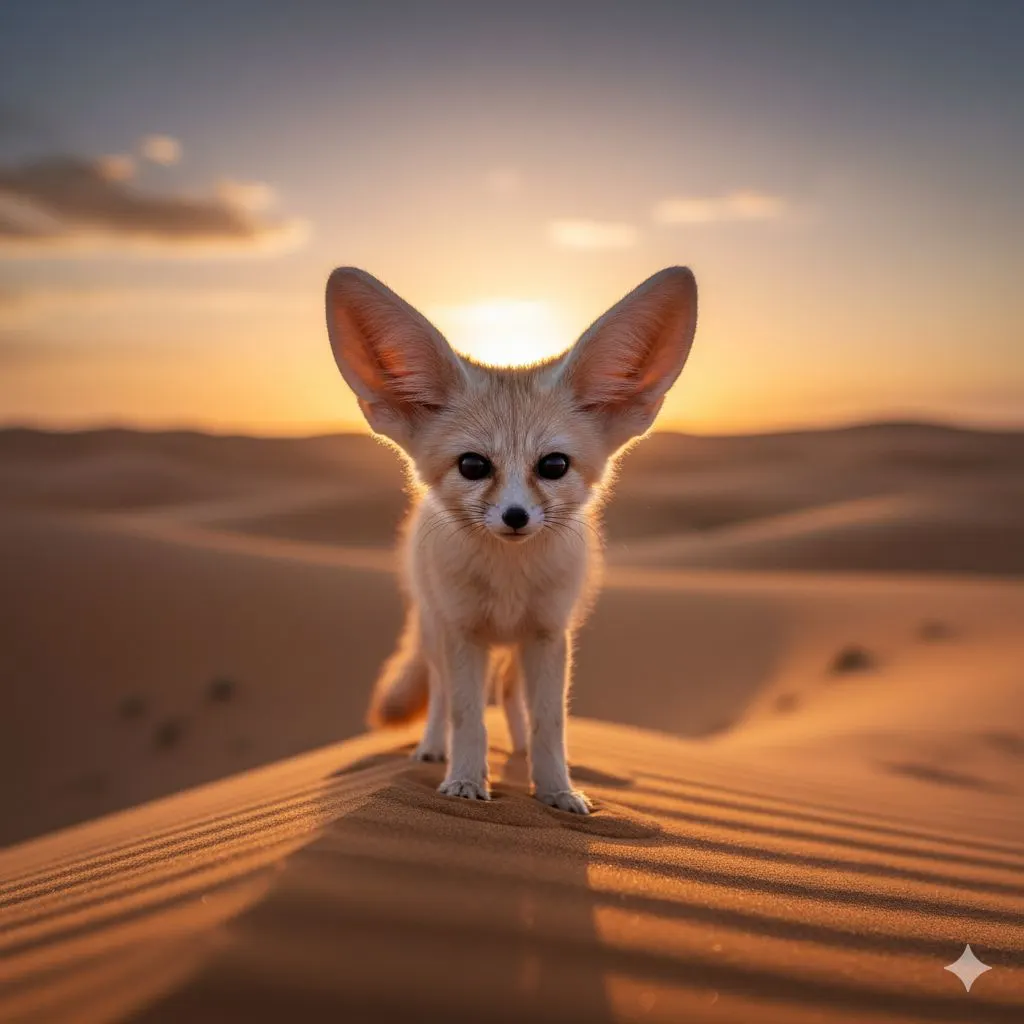
- Habitat: Sahara Desert.
- Cool Factor: Huge ears that keep it cool in the desert and help detect prey underground.
- Why It’s Cool: Adorable look with survival adaptations for extreme climates.
Conclusion
The coolest animals kingdom is full of surprises, from the icy Arctic narwhals to the tropical rainforests’ glass frogs. Each species on this list proves just how diverse, fascinating, and “cool” nature can be. Whether it’s the smiling quokka, the mythical-looking blue dragon sea slug, or the powerful harpy eagle, every animal has a unique trait that makes it stand out in the natural world.
By exploring the Top 50 Coolest Animals in the World, we celebrate biodiversity and highlight why conservation matters. Many of these incredible species face threats due to habitat loss, climate change, and poaching—reminding us that their survival depends on our awareness and action.
So next time you see an animal documentary, zoo visit, or a wildlife expedition, keep your eyes open—you might just spot one of these cool creatures!
FAQs
Q1. What is considered the coolest animal in the world?
There isn’t one definitive answer, but coolest animals like the axolotl, quokka, and blue dragon sea slug often top “coolest” lists due to their unique looks and behaviors.
Q2. Which coolest animals is the rarest?
The Kakapo (New Zealand parrot) and Axolotl (Mexican salamander) are among the rarest on this list. Both are critically endangered and highly protected.
Q3. Which Coolest animals make good pets?
While most of these animals are wild, some—like sugar gliders, axolotls, or certain exotic fish—can be kept as pets under proper care and legal permissions.
Q4. What coolest animals live in the ocean?
Narwhals, blue dragons, Irrawaddy dolphins, and leafy seadragons are ocean animals on this list that look magical and unique.
Q5. Why are quokkas called the world’s happiest animals?
Quokkas naturally have upturned mouths, giving them a “smiling” look, which is why they’ve become social media sensations as the world’s happiest animal.


