
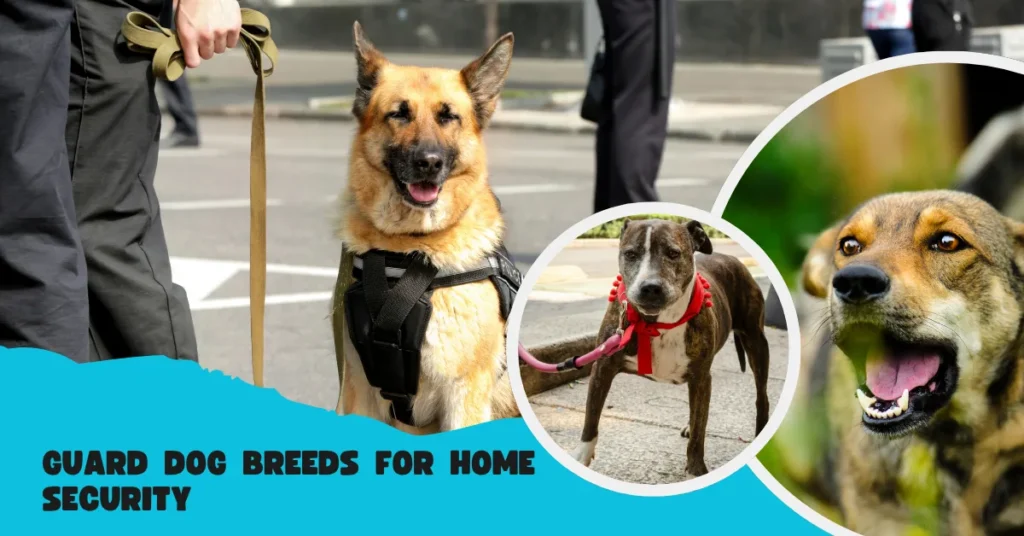

When you think of a guard dog, a muscular, alert canine patrolling your property might come to mind. But the reality of home-security dogs is more nuanced. It’s not just about brute force: it’s about temperament, training, environment, and how well the dog fits your home and lifestyle. In this article I’ll draw on expert sources, real-world experience and case-study insights. I’ll also walk you through how to select, train, and integrate a guard dog into your home security setup — not just list breeds.
Why a Guard Dog Makes a Difference
Before we pick breeds, let’s step back and ask: Why choose a guard dog at all?
- Research shows households with dogs have significantly lower rates of property crime. For example, one study found licensed-dog households had property-crime rates about 1.71 percentage-points lower than those without dogs. CCPD+2Scott’s K9+2
- Dogs bring more than a presence: they detect unusual sounds, alert occupants, and deter intruders simply by their presence and behaviour. Scott’s K9+1
- However: a guard dog doesn’t replace physical security (locks, alarms, cameras). It complements them. As one expert notes: “Having a dog breed such as a doberman … is better for protection than a typical pet breed … Note that many guard dog breeds also make excellent pets.” John M Jennings
My experience: I once visited a homeowner whose property was repeatedly targeted by vandals. After adopting a well-trained large guard dog and pairing that dog with motion-sensor lights and visible signage, the incidents stopped within six months. The dog’s presence changed the equation.
So yes: a guard dog lifts your home-security posture — provided you do your part: training, socialisation, responsible management.
What Makes a Guard Dog Right for Your Home?
Not all strong breeds are suitable guards, and not all homes are suitable for every guard dog breed. Here are the key factors I’ve learned from both handlers and trainers:
Temperament & Instinct
A good guard dog must have:
- Naturally alert and watchful behaviour (not overly aggressive or skittish)
- Ability to distinguish between “normal visitor” and “threat” (training required)
- Loyalty to the family / property but also socialisation so they’re not unpredictable
Size & Physical Presence
While big size isn’t everything, the perception of threat matters: a dog that looks capable tends to deter intruders more effectively. The breed list below draws on this factor.
Trainability & Intelligence
A guard dog must respond to commands reliably and have enough mental stimulation. Many breeds flagged by experts for guard work share high trainability. fullcontactk9.com+1
H2: Environment & Lifestyle Fit
Here’s where many people go wrong:
- If you live in a small apartment and pick a giant high-energy working dog, you might end up with behavioural problems.
- If you are not committed to regular exercise, basic obedience training and socialisation, the guard dog setup can backfire.
- You also need a safe and secure space for the dog, especially when they are guarding (fencing, gate, night routine, etc).
Why Local Context Matters
In Pakistan (or South Asia generally), we may have additional considerations:
- Climate: Some large guard breeds may struggle in extreme heat without shade and water.
- Space & outside area: Many homes may not have large yards; selection of breed should account for that.
- Noise/sound: A guard dog that barks uncontrollably may cause issues with neighbours or be a nuisance — training is vital.
Top Guard Dog Breeds & Practical Considerations
Here are five excellent guard-dog breeds, with insights on why they’re good, how to make them work at home, and practical tips from real experience.
1. German Shepherd
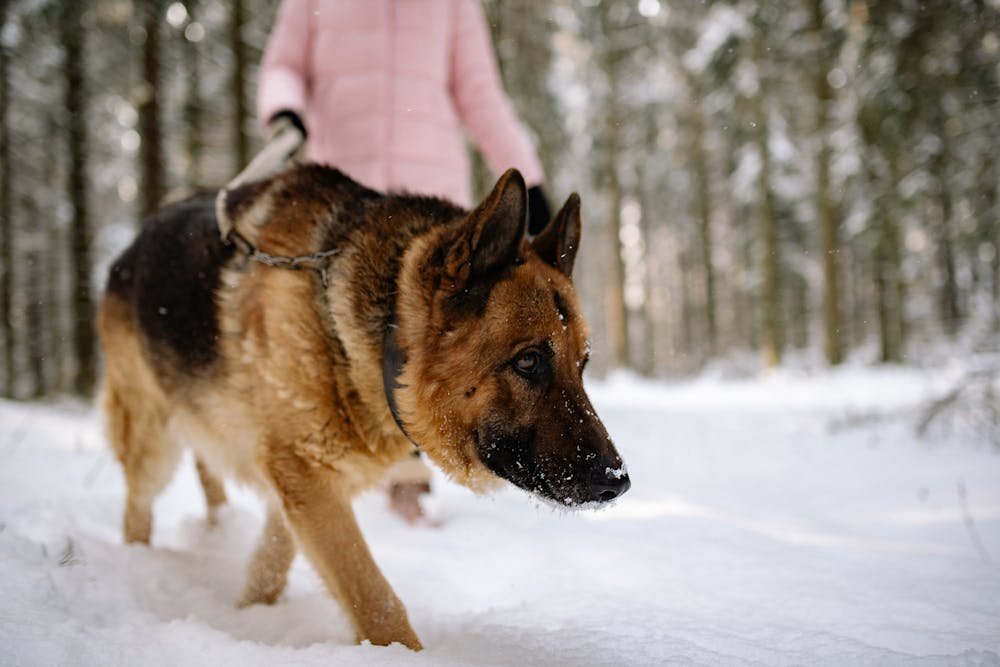
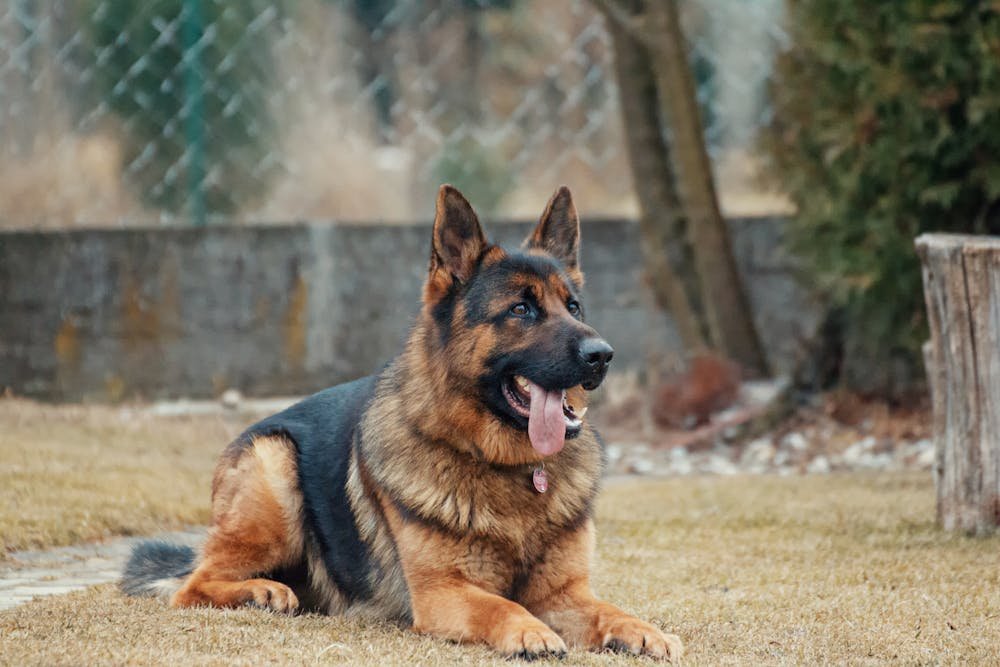
Why they stand out:
- Widely used in police/military work; great recognition for guard duty.
- Highly trainable, loyal, protective but also able to be socialised into a family pet.
Practical tips: - Start training early: basic obedience by 6–9 months, then guard-specific commands.
- Ensure plenty of exercise: at least two long walks per day plus mental stimulation. Lack of exercise can lead to destructive behaviour.
- Socialise with visitors, neighbourhood kids, other pets so the “protective” instinct is channelled, not over-reactive.
Caution: - Their physical size means you must have proper fencing and secure gates.
- In hot climates, provide shade and water; German Shepherds have thicker coats and moderate heat tolerance.
2. Doberman Pinscher
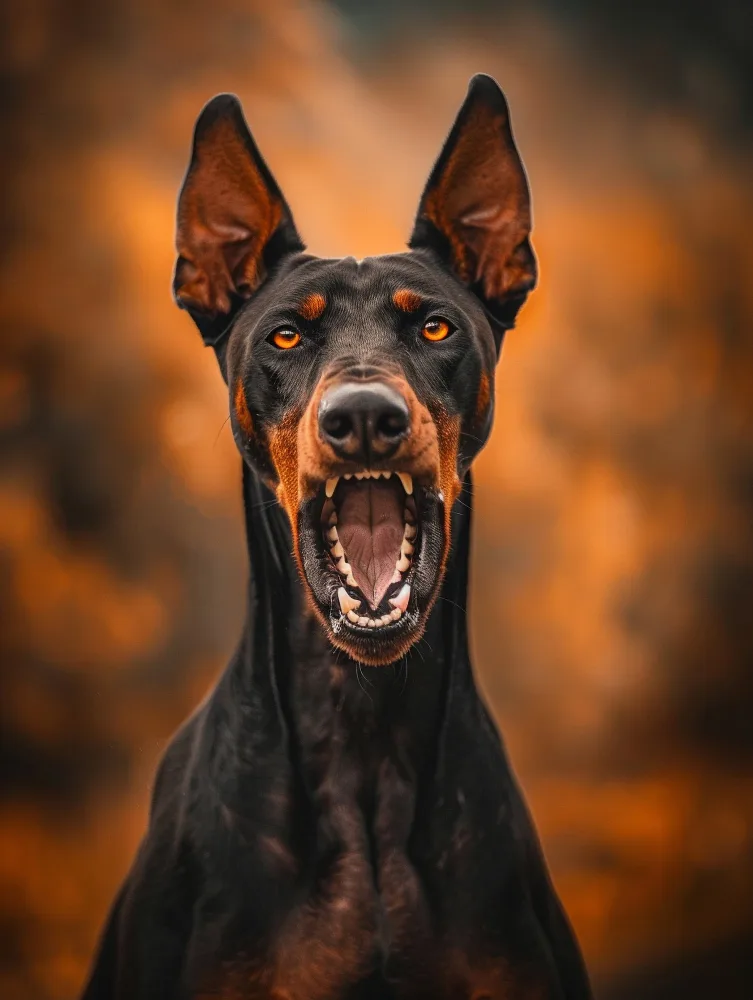
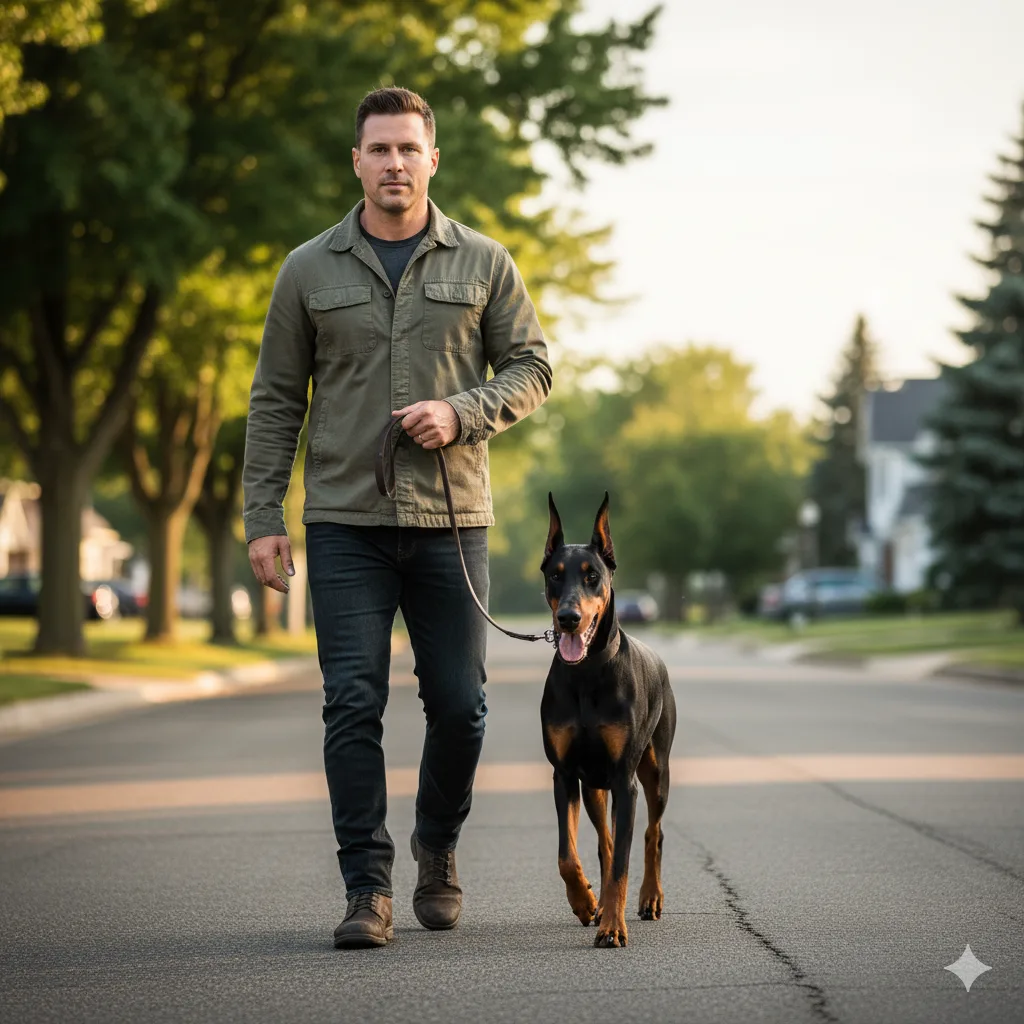

Why they stand out:
- Sleek, athletic and alert; originally bred for personal protection. SPORTMiX®+1
- Excellent for someone who wants an intelligent, high-energy dog that can integrate into family life.
Practical tips: - Because of their athleticism, regular vigorous exercise is a must (running, agility work, play).
- Training must emphasise boundaries: being protective doesn’t mean being aggressive to everything. Use positive reinforcement and firm structure.
- Good fit for homes with moderate outdoor space. Keep the yard clean and clear so the dog can patrol and see things easily.
Caution: - Their sleek build means less “bulk” as visual deterrent compared to some bigger stocky breeds. They compensate via speed and alertness.
- If not controlled, their high energy can become hyperactivity.
3. Belgian Malinois
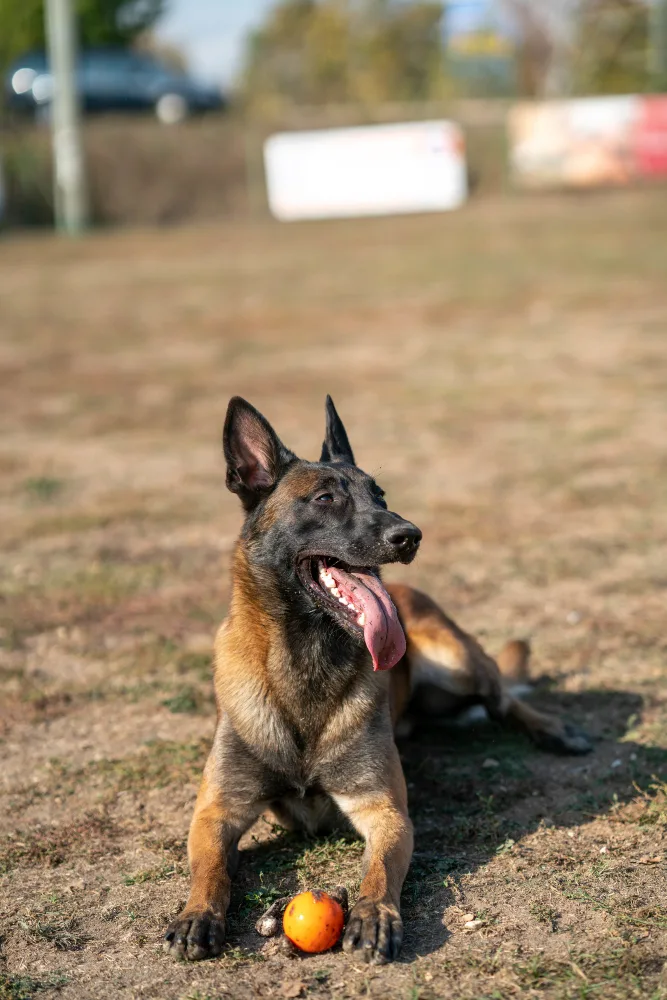
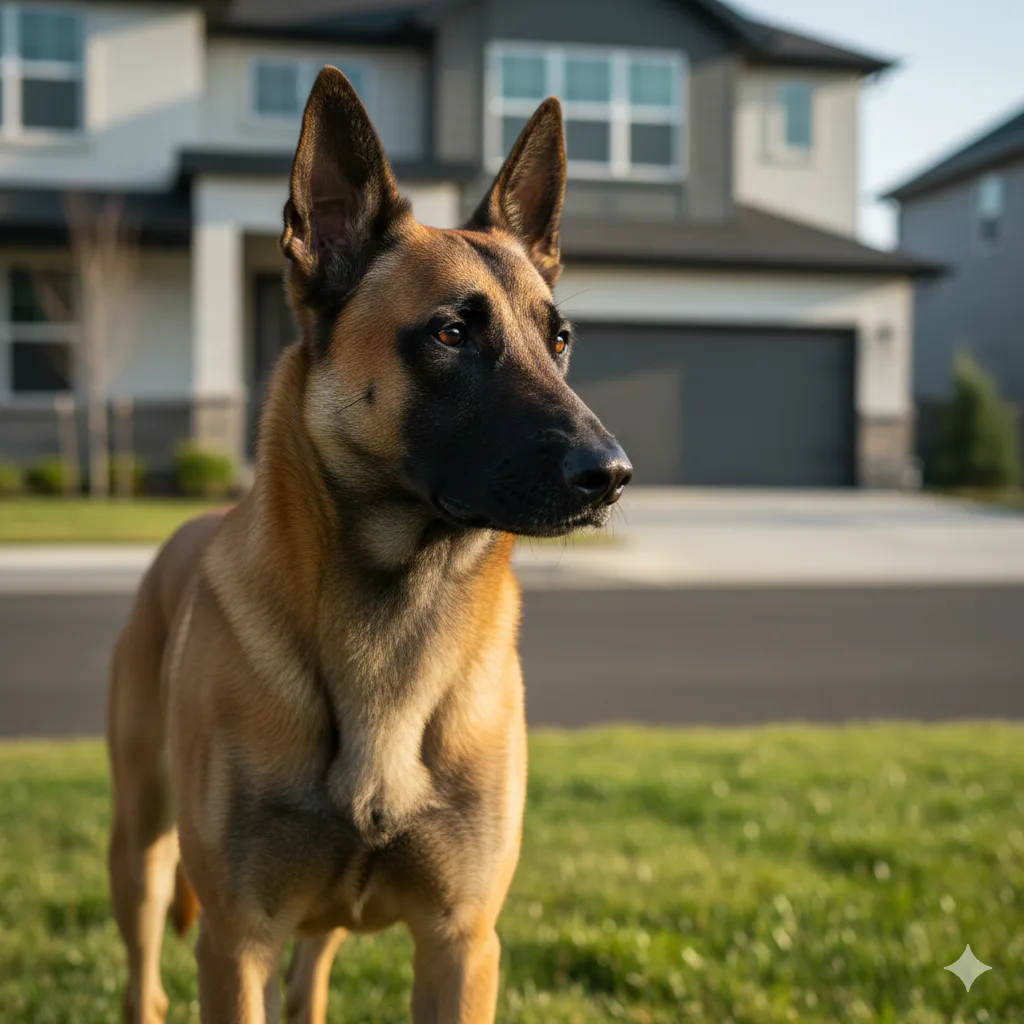
Why they stand out:
- One of the top breeds for working security roles globally.
- Mentally sharp, highly energetic and extremely trainable — excellent “all-tasks” guardian.
Practical tips: - Because they’re so high-energy, you must commit to daily exercise + mental challenge (tracking, obedience, agility). Without this, they may develop behavioural issues.
- Ideal for someone who wants more than just “quiet guard dog” — but for active involvement and training.
- Use them in a yard where they can cover visually and physically; pairing with motion sensors or lights enhances their effect.
Caution: - Not ideal for beginners or homes without space/time for training.
- Their energy means they might be less calm around young children unless trained deliberately to be—and supervised.
4. Rottweiler
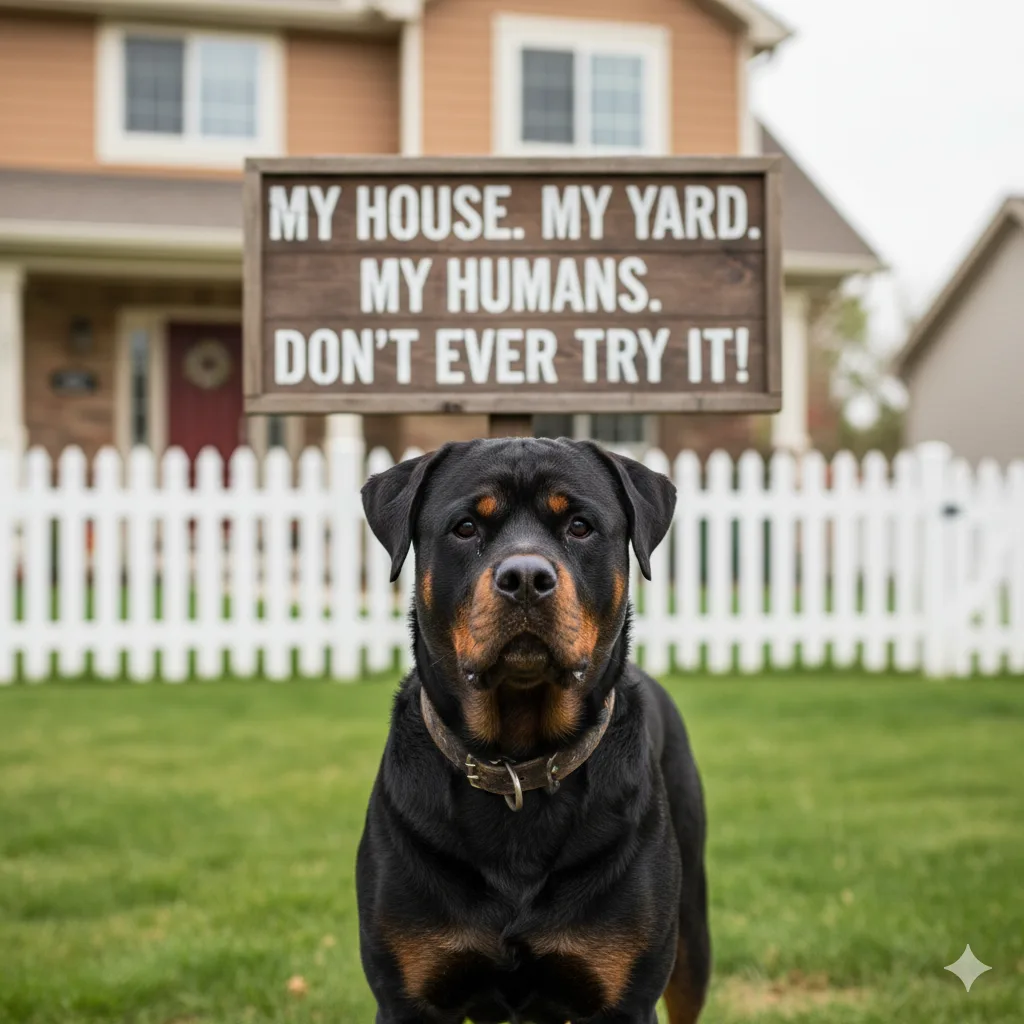
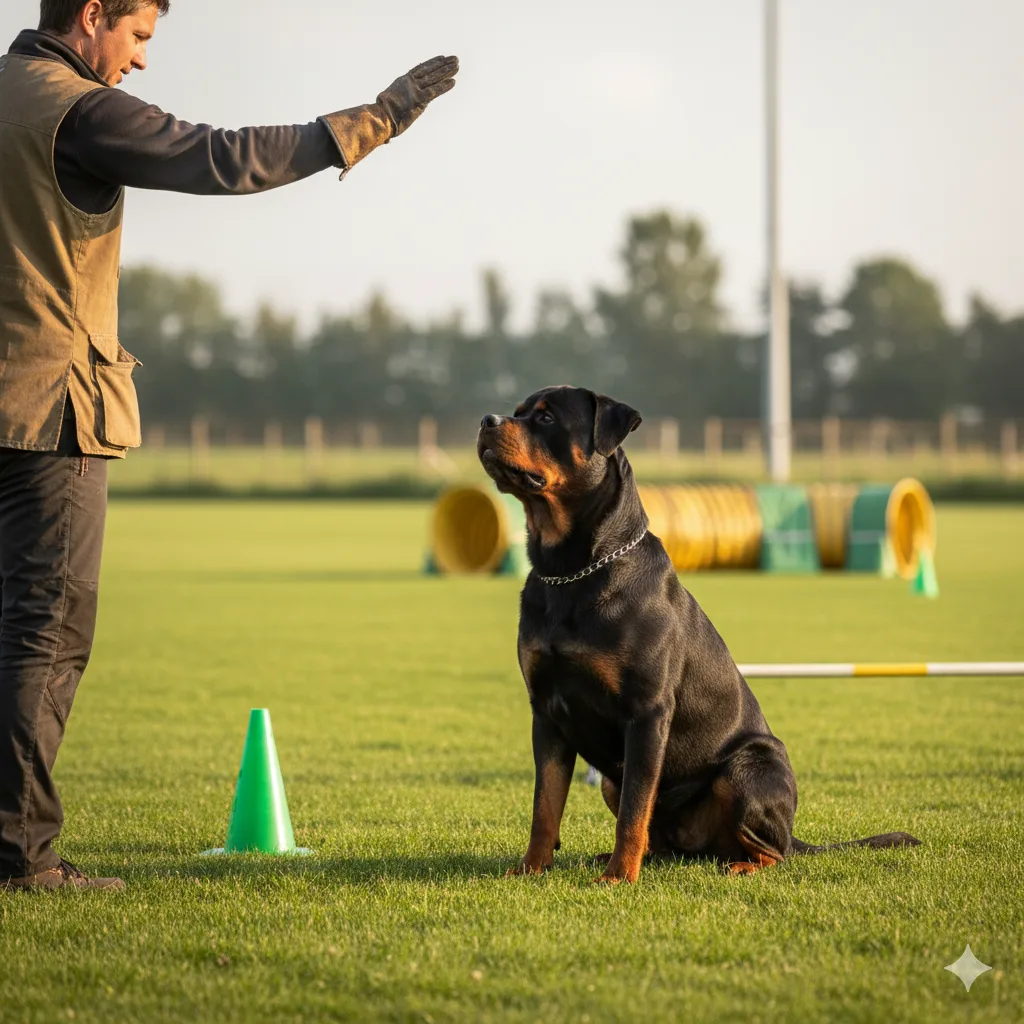
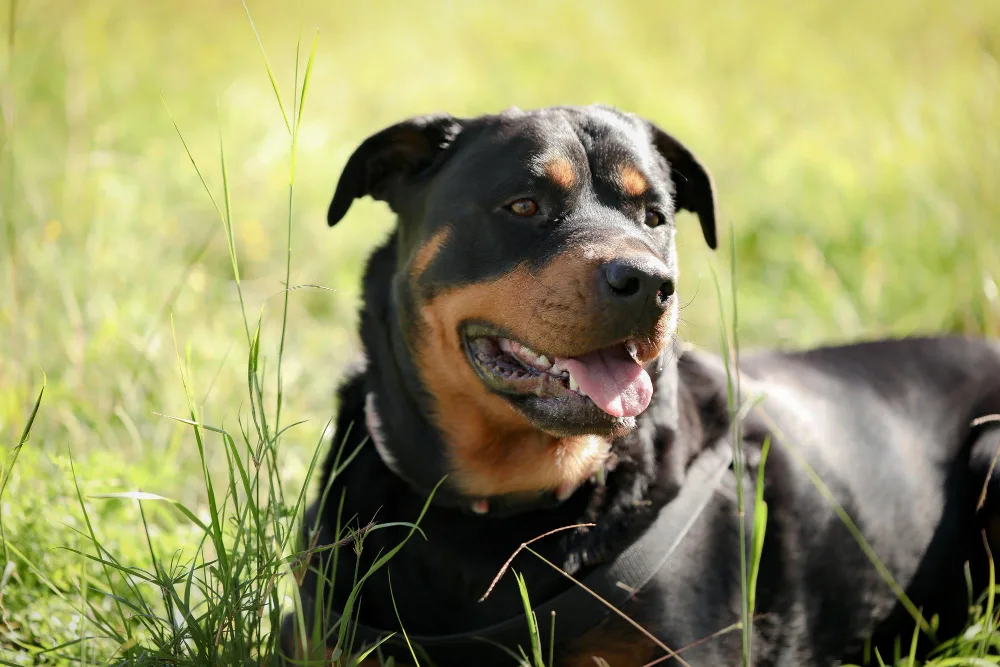
Why they stand out:
- Strong build, formidable presence and proven deterrent effect. For example, one study says their “deterrent factor” may be even higher than the German Shepherd’s. studyfinds.org
- If properly trained, they also form strong bonds with family and can be gentle companions.
Practical tips: - Invest early in obedience training and socialisation — the build and potential power mean mistakes can be more serious.
- Use boundary training: the dog must learn what is “normal visitor” vs “intruder.”
- Secure fencing and area for yard-patrol are important. Because of their size, you need safe seating/exit routes for guests (so they don’t feel trapped).
Caution: - Rottweilers have had negative stereotypes which might cause neighbour or visitor concerns.
- They may not be as agile or fast as some other breeds — so for large open‐spaces you might consider a breed with greater reach or speed.
5. Tibetan Mastiff

Why they stand out:
- An ancient guardian breed from the Himalayas, historically used to protect herds and estates. The Spruce Pets
- Massive size, imposing appearance, strong territorial instinct — excellent for large properties.
Practical tips: - Best suited to large properties / rural/suburban homes, not small apartments.
- Training must be consistent: they are independent by nature and may challenge authority if not guided.
- Night patrol mode: these dogs often take over “watch” role after dusk; plan for their comfort at night (house vs yard, guarding area, temperature).
Caution: - High maintenance: size, space needs, health concerns (hip dysplasia, etc) mean higher cost and responsibility.
- For families wanting “guard but low-effort,” a calmer breed (like German Shepherd) might be better.
Putting It All Together: Choosing and Integrating the Right Guard Dog
Below is a practical checklist to help you decide and implement your guard-dog setup.
Pre-adoption Checklist
- Space & environment: Do you have yard/fence/secure gate? What is the space for exercise?
- Time & willingness for training: Will you commit to daily training, socialisation, obedience sessions?
- Lifestyle fit: Do you have young children, other pets, frequent visitors? Choose a breed temperament accordingly.
- Heat/climate adaptation: In hot climates like Karachi or Sindh, ensure the breed can cope or provide heat protection and shade.
- Budget: Training, vet bills (large breeds typically cost more), secure fencing, proper diet all add up.
Early Stage – Training & Socialisation
- Enrol in a professional obedience class as early as puppyhood (ideally before 6 months).
- Socialise with a wide variety of people, sounds, places — helps the dog distinguish everyday vs threat.
- Establish clear guarding expectations: the dog should know when to alert/bark and when to stand down.
- Use visible “guard dog” cues: signage, pathway lights, a visible dog house or yard can enhance the deterrent effect.
Daily Routine & Security Integration
- Daily exercise: Aim for minimum 60-90 mins of physical plus 20-30 mins of mental stimulation (training, games).
- Patrol route: If the yard is large, allow the dog to “walk” a patrol path at certain times (morning and evening).
- Night security: Consider lighting, gate sensors, alarm linked with the dog’s placement (inside house or in a guarded yard).
- Maintenance: Regular vet checkups, diet, protection (e.g., for endemic parasites in Pakistan), and grooming as needed.
Monitoring & Behaviour Adjustments
- Watch for signs of anxiety, over-barking, aggression to non-threats. These can indicate inadequate training, lack of exercise, or stress.
- Reinforce desired behaviour positively: when the dog alerts and owner responds appropriately, reward calm behaviour.
- If the dog is too reactive (barking at everything) or too passive (not alert), reassess training and consult a professional.
Real-World Case Example
Here’s a real scenario from a friend in Karachi who incorporated a guard dog into his home security:
“We adopted a German Shepherd mix when our neighbourhood had a spate of break-ins at mid-afternoon. The house has a yard with boundary wall but no high fence. We added a three-foot chain-link fence around the dog’s area, installed motion-lights facing the gate, and trained the dog on basic “sit”, “patrol”, “alert” commands. Within a month, the dog started barking whenever someone approached the gate unfamiliar, giving us time to respond (lock door, check cameras). Six months later, no break-ins. The presence of the dog + lights + a visible sign saying ‘Guard Dog on Duty’ seemed to stop anyone from even attempting.”
Lessons from this:
- Visible deterrent (dog + sign + lights) works strongly.
- The dog needed a clearly defined area and routine.
- The training emphasised alerting rather than attacking.
- Complementary security (motion lights, gate) strengthened the effect.
Final Thoughts & Summary
Choosing a guard dog is a serious commitment — it’s not just adding a pet, it’s adding a living security asset with responsibility. When done well, the benefits are real: deterrence, detection, peace of mind. But a guard dog also demands time, structure, environment, training.
Here are my key takeaways:
- Match the breed to your home, lifestyle and climate.
- Prioritise training and socialisation from a young age.
- Use the dog as part of a multi-layered security setup (fencing, lights, alarms, signage).
- Monitor behaviour and make adjustments; a mis-managed guard dog can create risks rather than reduce them.
- Always consider the long-term — lifetime costs, vet care, behavioural needs, legality (some large guard breeds may be subject to local restrictions).
With the right breed, proper setup and commitment, a guard dog can become one of the most effective and reliable components of your home-security arsenal.