

Introduction: Why Pet Care Matters
Pet Care Guide 2025 Keep Your Pets Healthy Happy Pets aren’t just animals — they’re family. Whether you have a loyal dog, an independent cat, a playful rabbit, or a beautiful bird, your pet depends on you for love, food, and safety. Proper pet care is more than just feeding them; it’s about giving them a healthy, happy life where they can thrive.
Caring for a pet takes time, effort, and understanding, but the rewards are endless — unconditional love, companionship, and even better mental health for you. This guide will walk you through everything you need to know about raising a healthy, happy pet.
Understanding Your Pet’s Needs
Every pet is unique. Dogs and cats have different needs compared to birds, reptiles, or small mammals. Before you bring home a pet, it’s essential to research its requirements — housing, diet, exercise, and social interaction.
- Dogs need regular walks, playtime, and mental stimulation.
- Cats prefer climbing spaces, scratching posts, and quiet spots to nap.
- Birds need a spacious cage, toys for enrichment, and human interaction.
- Small animals like rabbits, hamsters, and guinea pigs require clean cages and a safe environment for exercise.
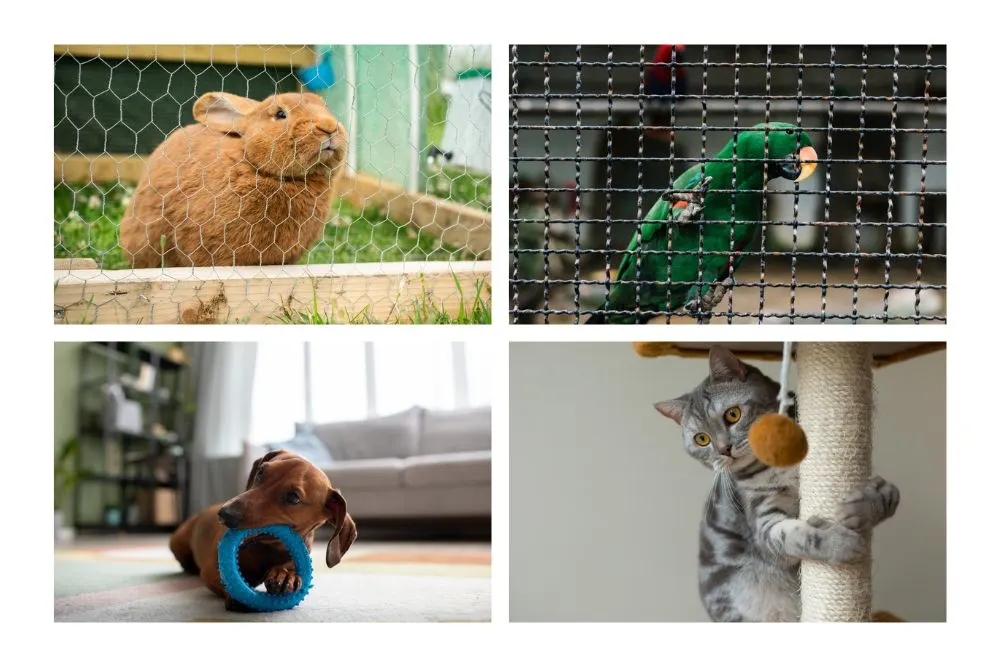
Knowing your pet’s natural behavior will help you provide the right care. For example, a dog that chews furniture might need more chew toys or mental challenges, while a cat that scratches your sofa probably needs a scratching post.
Pro Tip
Observe your pet’s natural behavior. If your dog chews furniture, he might be bored — try puzzle toys or longer walks. If your cat scratches your sofa, she probably needs a scratching post in her favorite spot.
Pet Nutrition & Feeding Guide
One of the most important parts of pet care is proper nutrition. The right diet will keep your pet energetic, happy, and healthy.
Choosing the Right Food
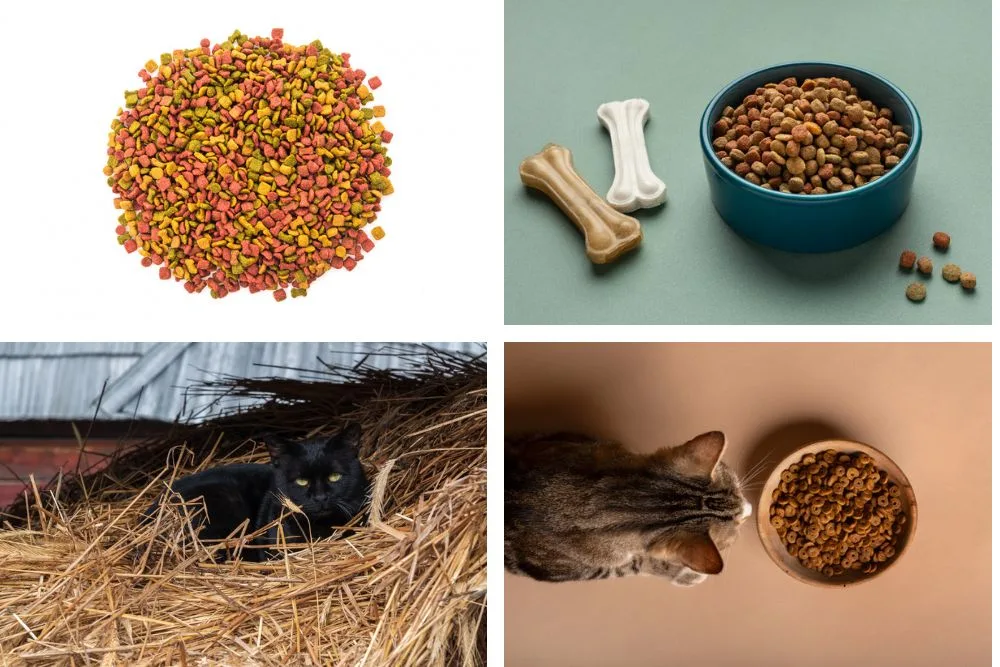
- Dogs – Choose a high-quality dog food with balanced protein, carbs, and fats. Avoid giving too many table scraps.
- Cats – Require a meat-based diet because they are obligate carnivores. Choose cat food rich in taurine.
- Birds – Need a mix of seeds, pellets, fruits, and vegetables.
- Small Pets – Rabbits and guinea pigs need hay, fresh veggies, and vitamin C supplements.
Portion Control & Feeding Schedule
Overfeeding is a common mistake. Follow recommended portion sizes based on your pet’s weight and age. Puppies and kittens may need to eat 3-4 times a day, while adult pets usually eat twice a day.
Foods to Avoid
Certain human foods can be toxic:
- Dogs & Cats: Chocolate, onions, grapes, caffeine.
- Birds: Avocado, alcohol, salty or fried food.
- Rabbits/Guinea Pigs: Sugary snacks, iceberg lettuce in excess.
Grooming & Hygiene
A clean pet is a happy pet. Grooming not only keeps your pet looking good but also prevents health problems like skin infections, parasites, and dental disease.
Bathing & Brushing
- Dogs – Bathe every 4-6 weeks (or more often if needed). Brush regularly to reduce shedding.
- Cats – Usually groom themselves but may need brushing for long-haired breeds.
- Birds – Provide a shallow dish of water for bathing or gently mist them.
- Small Animals – Spot clean cages daily and deep-clean weekly.
Nail & Dental Care
- Trim your pet’s nails every few weeks to avoid discomfort.
- Brush your dog or cat’s teeth 2-3 times a week or provide dental chews.
- For birds and rodents, provide chew toys to naturally trim their beaks and teeth.
Exercise & Mental Stimulation
Just like humans, pets need physical activity and mental challenges to stay healthy. Lack of exercise can lead to obesity, stress, and destructive behavior.
Exercise for Different Pets
- Dogs: Take them on daily walks, play fetch, or let them run in a secure yard. High-energy breeds may need 1–2 hours of activity per day.
- Cats: Use laser toys, climbing trees, or feather wands to encourage play.
- Birds: Allow safe, supervised out-of-cage time and provide climbing ropes and swings.
- Small Pets: Create playpens where rabbits or guinea pigs can hop and run safely.
Mental Stimulation
Mental enrichment keeps pets from getting bored.
- Puzzle feeders and treat-dispensing toys keep dogs and cats engaged.
- Training new tricks stimulates their brains.
- For birds, rotate toys weekly to keep things interesting.
Training & Behavior
Training builds a bond between you and your pet while keeping them safe and well-behaved.
Basic Training Tips
- Positive Reinforcement: Reward good behavior with treats, praise, or play.
- Consistency: Everyone in the household should follow the same rules.
- Patience: Training takes time. Don’t punish — it can create fear.
Common Training Goals
- Dogs: Teach sit, stay, come, leash walking, and house training.
- Cats: Use litter box training and scratching post redirection.
- Birds: Train them to step up on your finger or perch.
Behavioral issues like aggression, chewing, or excessive barking are often signs of boredom, anxiety, or lack of training. Address the root cause instead of just punishing the behavior.
Veterinary Care & Health
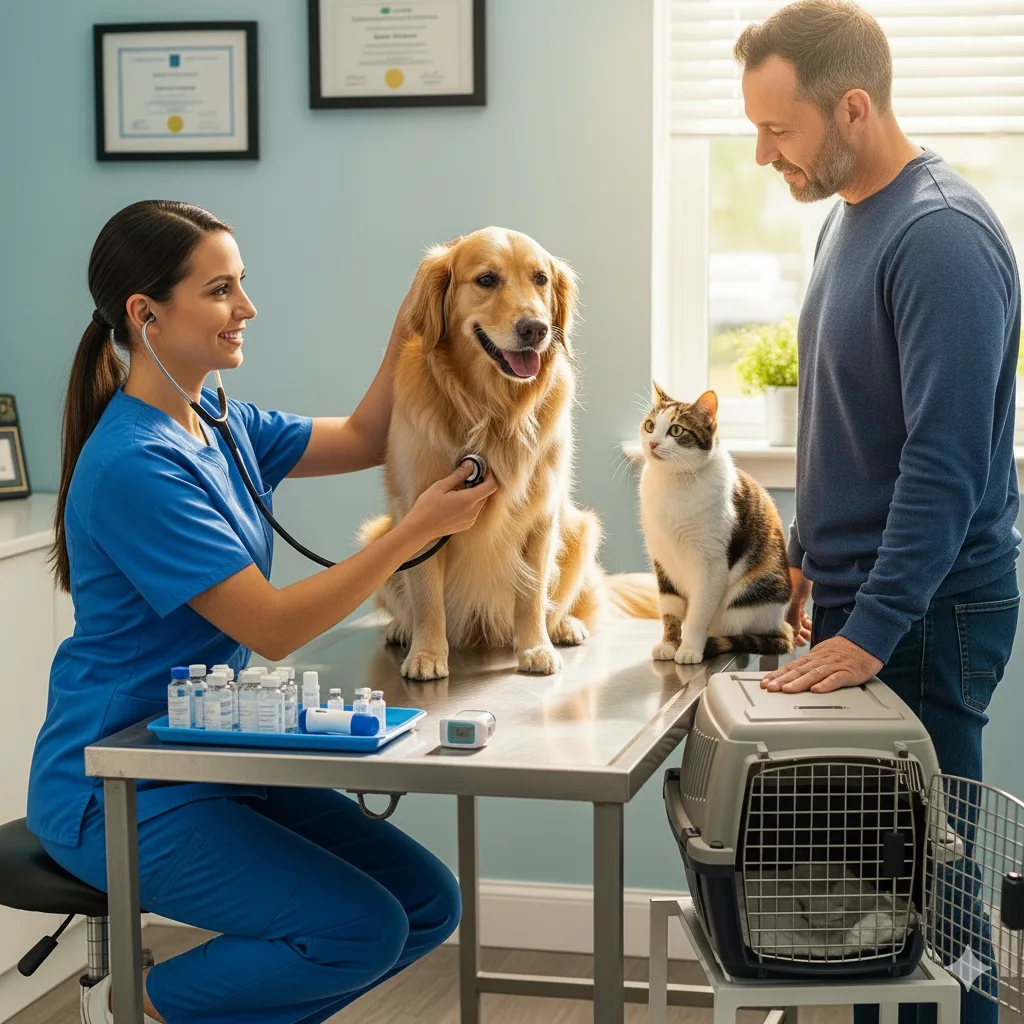
Regular vet visits are essential for catching health problems early.
Routine Vet Visits
- Puppies & Kittens: Need vaccinations and deworming during the first months.
- Adult Pets: Annual checkups for vaccines, weight monitoring, and dental care.
- Senior Pets: Twice-yearly visits to screen for age-related conditions.
Parasite Control
Fleas, ticks, and worms can harm your pet’s health. Use vet-recommended preventatives regularly.
Spaying & Neutering
This helps prevent unwanted litters and can reduce certain health risks like cancers or infections.
Seasonal Pet Care Tips 2025 Focus
Different seasons bring different challenges.
- Summer: Keep pets cool, avoid hot pavement walks, provide extra water.
- Winter: Protect paws from ice/salt, offer warm bedding, keep small pets indoors.
- Spring/Fall: Watch for allergies, ticks, and shedding season — increase grooming.
Creating a Safe Home for Your Pet
Your pet’s environment should be safe, comfortable, and stimulating.
Safety Tips
- Keep harmful chemicals, wires, and small objects out of reach.
- Make sure windows and balconies are secure for cats and birds.
- Use pet-safe plants — some houseplants are toxic.
Comfort & Rest
Provide cozy beds, hideouts, or perches so your pet feels secure. A stress-free environment leads to better behavior and health.
Socialization & Emotional Well-Being
Socialization is key for pets to become confident and friendly. Without it, they may become fearful or aggressive.
How to Socialize Pets
- Dogs: Introduce them to other dogs, people, and environments early (puppy socialization classes are great).
- Cats: Gradually expose them to new people and spaces, always allowing them to retreat if scared.
- Birds & Small Pets: Handle them gently and regularly so they get used to human touch.
Emotional Health
Pets experience emotions too — they can get stressed, anxious, or depressed.
- Provide companionship and avoid leaving pets alone for long hours.
- Use calming music, pheromone diffusers, or enrichment toys during stressful times (like fireworks).
- Recognize signs of stress: pacing, hiding, over-grooming, or vocalizing.
Traveling with Pets
Whether it’s a short trip to the vet or a long vacation, traveling with pets requires preparation.
Travel Tips
- Car Travel: Use a secure crate or seat belt harness. Never leave pets in a hot car.
- Air Travel: Check airline pet policies in advance. Some allow small pets in the cabin, others require cargo travel.
- Packing Essentials: Food, water, leash, waste bags, favorite toys, and any medications.
Reducing Stress on the Road
Take short practice trips before long travel days so your pet can get used to the car or carrier. Keep them hydrated and give bathroom breaks when possible.
Pet Insurance & Financial Planning
Vet bills can be expensive. Consider pet insurance or set aside an emergency fund for accidents, surgeries, or chronic conditions. A small monthly premium can save you thousands later.
Special Considerations for Different Pets
Every species has unique needs beyond the basics.
- Senior Pets: Need softer bedding, joint supplements, and more frequent vet visits.
- Exotic Pets: Reptiles, fish, and amphibians often require strict temperature and habitat conditions.
- Rescue Pets: May have past trauma — approach training with extra patience and love.
Sustainable & Responsible Pet Care
Pet care isn’t just about your animal — it’s about the environment too.
- Choose eco-friendly toys and biodegradable waste bags.
- Donate unused food or supplies to local shelters.
- Support adoption and rescue over unethical breeding.
Final Tips & Conclusion
Taking care of a pet is one of the most rewarding responsibilities you can have. Here’s a quick recap:
- Provide proper nutrition and hydration.
- Keep pets mentally and physically active.
- Train with patience and positive reinforcement.
- Maintain regular vet visits and preventive care.
- Create a safe, loving, and stimulating environment.
- Be mindful of your pet’s emotional health and special needs.
When you commit to responsible pet care, you give your furry, feathery, or scaly friend a long, happy, and healthy life — and in return, you gain a loyal companion who fills your home with joy.