


What is a dog ear hematoma?
A dog ear hematoma, medically referred to as an aural hematoma, is a common condition where blood collects between the skin and cartilage of a dog’s ear flap. This usually causes the ear to appear swollen, puffy, and sometimes warm to the touch. While it may seem alarming, it is treatable with proper care. Understanding the symptoms, causes, and available dog ear hematoma treatment options can help dog owners manage this condition effectively and ensure their pet’s comfort.
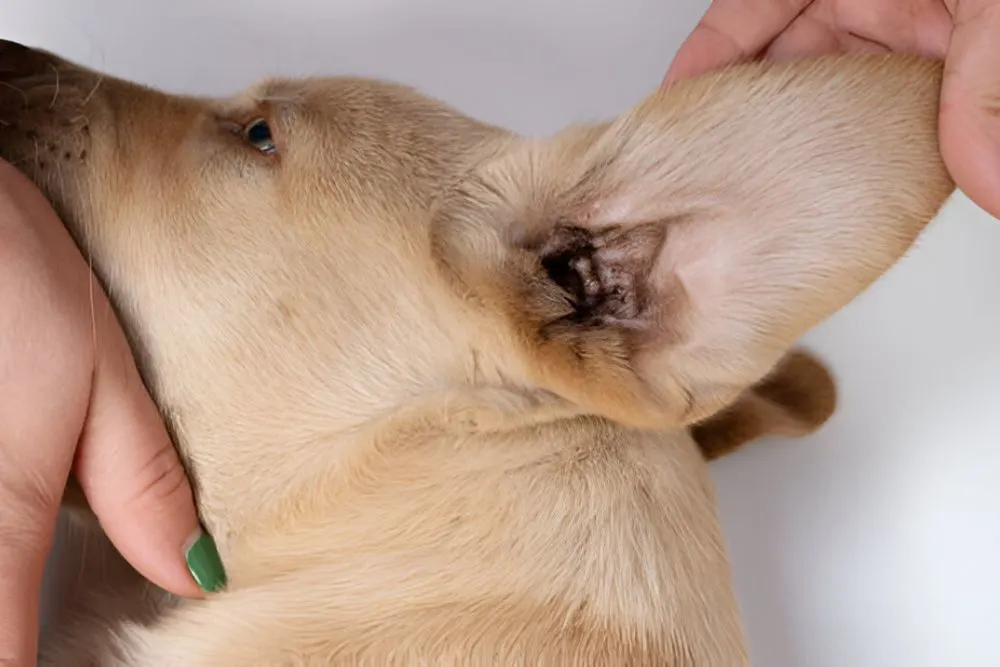
Understanding Aural Hematoma in Dogs
An aural hematoma typically forms when blood vessels inside the ear flap rupture, often due to trauma or excessive scratching. This results in a painful, fluid-filled pocket that may feel soft or firm depending on the amount of accumulated blood.
How It Forms in the Ear Flap (Pinna)
The ear flap, or pinna, is delicate and vulnerable to injury. When a dog shakes its head forcefully or scratches its ears, the force can break small blood vessels, allowing blood to pool between layers of skin and cartilage.
Common Breeds Affected
Dogs with floppy ears, such as Basset Hounds, Cocker Spaniels, and Labrador Retrievers, are more susceptible to hematomas due to the structure and mobility of their ear flaps. However, hematomas can occur in any breed under the right conditions.
Causes and Risk Factors
Recognizing the causes of dog ear hematomas can help prevent their recurrence. The condition often arises from underlying issues that irritate the ear.
Trauma and Scratching
One of the leading causes is trauma due to persistent scratching or aggressive head shaking. Dogs often do this in response to ear infections or itchiness.
Underlying Ear Infections
Ear infections, especially those involving yeast or bacteria, cause irritation and inflammation. This leads to repeated scratching, increasing the risk of vascular rupture in the ear flap.
Allergies and Parasites
Allergic reactions to food, environment, or flea bites can cause itching and ear discomfort. Parasites like ear mites also contribute by causing intense itching.
Breed-Specific Vulnerability
Certain breeds with large, pendulous ears or those prone to allergies are more likely to develop ear hematomas. Owners of such breeds should be particularly vigilant.
Symptoms and Warning Signs
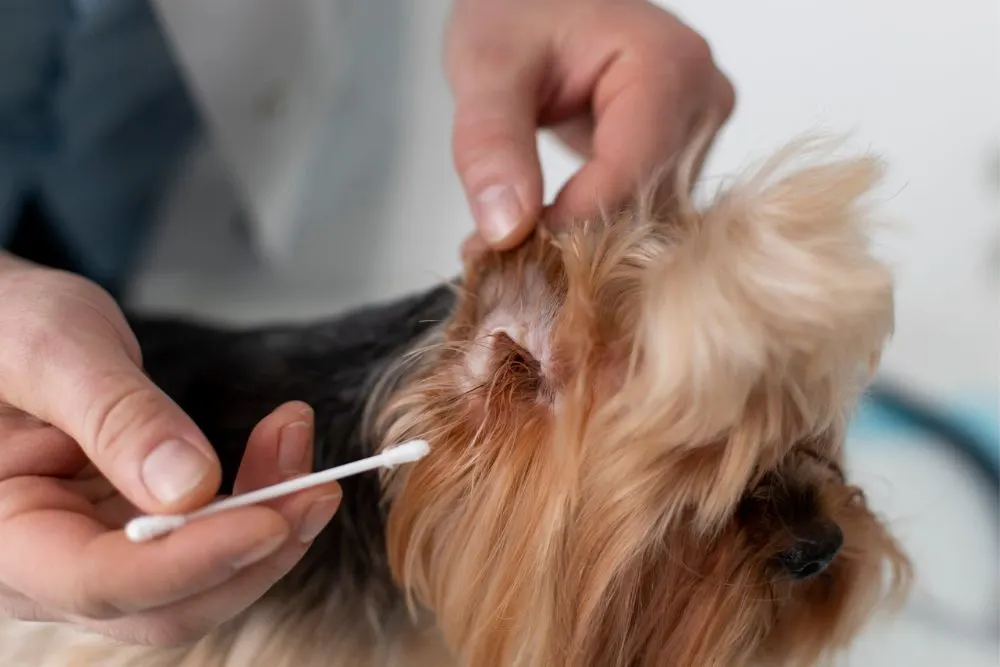
Being able to identify the early signs of an ear hematoma can lead to quicker treatment and less discomfort for your dog.
Swollen or Puffy Ear Flap
One of the most obvious signs is a visibly swollen ear flap that feels soft or balloon-like.
Dog Shaking Head or Scratching
Persistent head shaking or pawing at the ear may signal discomfort, often due to internal pressure caused by the hematoma.
Redness, Warmth, or Blood Blisters
Inflamed tissue, visible blood accumulation, or reddish blisters on the ear flap are common signs.
Fluid-Filled Bumps or Balloons on Ear
You may notice a pocket of fluid that shifts when touched. This is a hallmark of ear hematoma development.
Diagnosing Ear Hematoma
Veterinary diagnosis is essential to confirm an ear hematoma and rule out other ear conditions.
Clinical Examination by Veterinarian
A vet will physically examine the ear, palpate the swelling, and review the dog’s medical history to identify underlying causes.
Difference Between Hematoma and Other Swellings
Other issues like abscesses, tumors, or cysts can resemble hematomas. Proper diagnosis ensures accurate treatment.
Use of Otoscope and Fluid Sampling
Otoscope examination of the ear canal helps identify infections. Sometimes, fluid may be aspirated to confirm the presence of blood.
Treatment Options
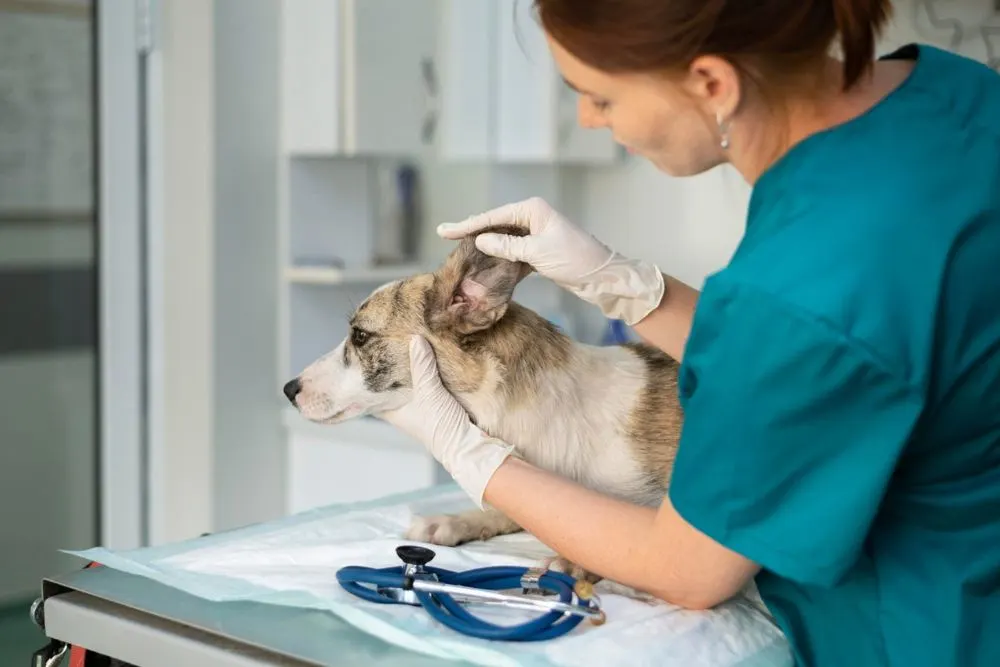
Treating a dog ear hematoma promptly is crucial to avoid permanent ear damage or pain.
Surgical Drainage Procedure
In severe or large hematomas, surgical drainage is the most effective treatment. This involves making an incision to remove accumulated blood and suturing the flap to prevent recurrence.
Non-Surgical Approaches (Needle Aspiration)
For small hematomas, needle aspiration may be attempted. However, it has a higher risk of recurrence without addressing the underlying cause.
Use of Steroids or Anti-inflammatory Medications
Corticosteroids may be injected locally or given orally to reduce inflammation and promote healing, especially in non-surgical cases.
Home Care and Monitoring
Post-treatment care includes keeping the ear clean, applying medications, and preventing further trauma through e-collars or bandaging.
Can You Treat It at Home?
Some owners may consider managing mild cases at home, but caution is necessary.
Home Remedies (Caution Advised)
Warm compresses may help reduce minor swelling. However, draining the ear at home is risky and not recommended without veterinary supervision.
Dog Ear Wraps and Bandages
Specialized ear wraps or snoods can help immobilize the ear and reduce movement, aiding recovery.
Natural Healing — When and Why It Works or Fails
In very mild cases, the body may reabsorb the fluid. However, untreated hematomas often lead to scarring, deformity, or chronic issues.
Aftercare and Recovery
Proper aftercare ensures smooth healing and minimizes complications.
Post-Surgical Care Instructions
Keep the surgical site clean and follow all vet instructions. Medications may be prescribed to manage pain and prevent infection.
Preventing Re-injury
Use protective gear like e-collars and monitor for signs of itching to prevent repeat trauma.
Signs of Recurrence or Infection
Watch for re-swelling, discharge, or foul odor, which could indicate infection or incomplete healing.
How to Prevent Future Hematomas
Prevention is often easier than treatment. Identifying and managing risk factors is key.
Regular Ear Cleaning and Hygiene
Routine ear cleaning helps prevent buildup that leads to infection or irritation.
Managing Allergies and Ear Infections Early
Address allergies with vet-recommended diets or medications. Treat infections promptly to reduce scratching.
Protective Measures During Play or Grooming
Monitor rough play, use proper grooming tools, and avoid activities that increase ear trauma.
Related Conditions
Some other conditions may mimic or accompany ear hematomas.
Inner Ear Hematoma vs. Outer Ear
Inner ear issues usually cause balance problems and are more complex. Hematomas generally affect the outer ear flap.
Ear Blisters, Scabs, and Swelling
Blisters or sores could result from infection, mites, or trauma. Differentiation requires a vet’s examination.
Cartilage Damage and Cauliflower Ear
Repeated trauma may cause permanent cartilage deformity, resulting in a wrinkled or thickened ear known as “cauliflower ear.”
When to Consult Your Veterinarian
Prompt vet consultation ensures effective treatment and comfort for your dog.
Emergency Indicators
Seek immediate help if the swelling is rapid, painful, or accompanied by bleeding, head tilting, or balance issues.
How to Choose a Veterinary Surgeon
Opt for experienced professionals, especially if surgery is needed. Ask about success rates and post-op care.
Cost Considerations for Hematoma Treatment
Costs vary by severity and method. Surgical treatments can be higher but are often more effective long-term.
FAQs (Frequently Asked Questions)
Can a dog ear hematoma go away on its own?
Mild cases might resolve, but most require veterinary care to prevent complications.
What causes fluid-filled lumps on my dog’s ear flap?
Usually, trauma or infection leads to broken vessels and fluid accumulation.
Is surgery always required for ear hematoma?
Not always. Small hematomas may respond to medical management, but larger ones often need surgery.
What is the success rate of home treatment?
Low. Home care rarely resolves the issue fully and often delays proper treatment.
How long does it take to heal?
Recovery may take 2 to 4 weeks depending on severity and treatment.
Can hematomas lead to hearing loss in dogs?
Not directly, but associated infections or complications may affect hearing.