


Introduction
If you’ve ever walked into a room and been hit by a sharp, musky odor that makes you recoil, chances are you’ve encountered cat spray. It’s one of those smells that seems to stick to everything—and once you’ve smelled it, you won’t forget it. For cat owners, especially those with unneutered males, this scent can become an unfortunate part of daily life. But what exactly is it? What does cat spray smell like, and how is it different from regular urine?
This article explores the unique qualities of cat spray, how it compares to urine, where you’re most likely to encounter it, and—perhaps most importantly—how to get rid of it. Whether you’re a seasoned pet parent or just trying to understand why your home suddenly smells a little… off, you’re in the right place.
Let’s demystify the infamous smell of cat spray once and for all.
Why So Many People Ask: What Does Cat Spray Smell Like?
It’s not uncommon for people to search for answers about mysterious household odors. Pet owners, especially first-timers, often confuse cat spray with a regular bathroom accident. But there’s a good reason this question gets asked so often: cat spray has a very distinctive, overpowering odor that tends to linger, and it can leave you puzzled and frustrated if you don’t know what you’re dealing with.
Unlike a typical bathroom accident, spraying is more about communication than elimination. Cats use spray to mark territory, send signals to other cats, or even express stress. And unfortunately for us, the smell is potent and often hard to ignore.
Understanding Cat Spray vs Urine
When trying to identify a mysterious smell in your home, it’s important to understand the differences between cat spray and regular urine. While they may come from the same source, their purposes—and smells—are very different.
Is Cat Spray the Same as Urine?
No, not exactly. While both spray and urine come from a cat’s urinary system, cat spray is used as a form of communication rather than elimination. When a cat sprays, especially a male, he releases a small amount of urine mixed with powerful hormones and pheromones designed to send a message. Female cats may also spray, but it’s far less common.
Urine, on the other hand, is just waste excretion. It typically happens in the litter box and doesn’t carry the same intense scent profile unless there’s a health issue.
How Spray and Pee Differ in Smell
The difference in scent is immediately noticeable to anyone who has smelled both. Cat spray vs pee smell is like comparing burnt rubber to stale water. Regular urine can be unpleasant if left uncleaned, but cat spray? That’s on a whole different level.
Cat spraying smell is pungent, musky, and sometimes described as a mix of ammonia and rotting food. This intensity comes from the hormones present in the spray, which are meant to catch the attention of other cats. It’s not just stronger than pee—it’s chemically designed to linger.
What Cat Spray Smells Like
There’s no sugarcoating it: cat spray smells bad. But it’s not just “pee” bad—it’s a unique and unmistakable odor that can stop you in your tracks. Here’s how the smell differs depending on the sex of the cat.
Male Cat Spray Smell Description
Male cat spray smell is especially potent. Unneutered males produce a stronger, muskier spray that contains high levels of testosterone-driven pheromones. This scent is nature’s version of a billboard announcing their availability to mate—and it’s anything but subtle.
The odor is often described as:
- Strong and acrid
- Musky, with a sharp ammonia edge
- Slightly oily or skunky
- Long-lasting, even after cleaning
If your male cat isn’t neutered, you’re more likely to experience this smell regularly. Even neutered males may spray occasionally, though the scent is often less intense.
Female Cat Spray Smell (if any)
Female cats can and do spray, although it’s far less common than in males. When they do, the smell is generally milder but still noticeable. It may lack the heavy musky tone of male spray but still carries that distinct ammonia scent, especially if the cat is in heat or feeling territorial.
Some owners describe it as slightly sour or acidic, but overall, cat spraying smell from females doesn’t pack the same punch as from their male counterparts.
Common Places You’ll Notice the Smell
Cats are clever about where they spray, but unfortunately for us, they don’t always choose convenient locations. Here are some of the most common spots where the smell of spray might hit you:
- Doorways and windows (to mark territory)
- Corners of furniture
- Vertical surfaces like walls or drapes
- Luggage or shopping bags brought in from outside
- Clothing or laundry piles
- Baseboards and entryways
Because cats tend to spray vertical surfaces, it can sometimes go unnoticed until the smell becomes overwhelming. In multi-cat households, cats may spray more often due to competition or stress, making it even more important to monitor for signs.
What Does It Look Like When a Cat Sprays?
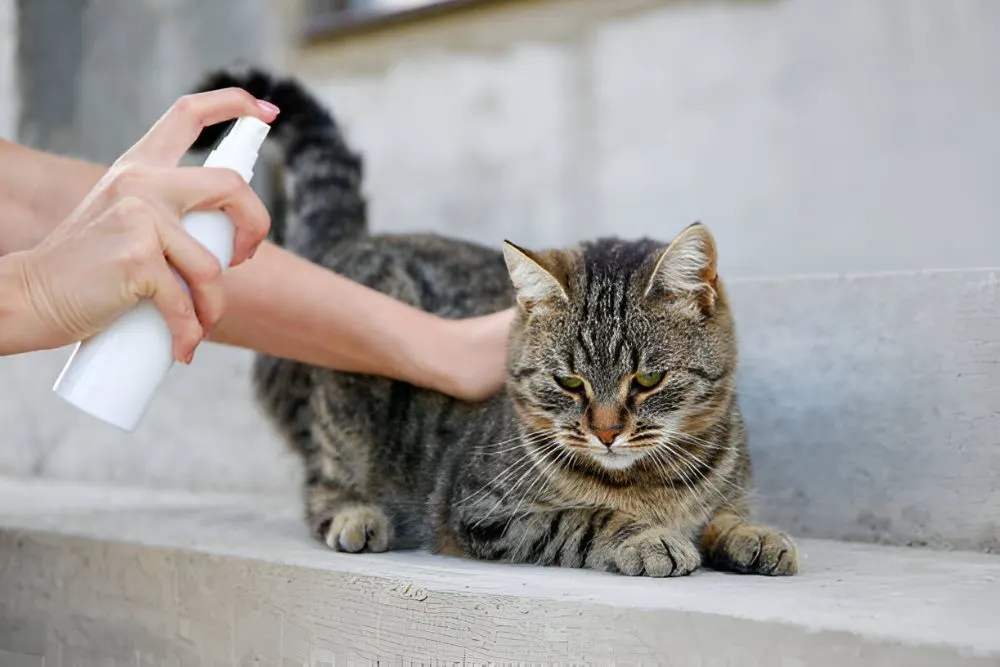
Unlike a cat urinating in a puddle on the floor, spraying is a very specific behavior. A spraying cat will typically back up to a vertical surface, twitch its tail, and release a quick stream of liquid. This is usually done while standing rather than squatting.
The amount of liquid is small—often just a few drops—but incredibly potent. It may not even be visible right away, which is why the smell can seem to appear out of nowhere. The odor will clue you in before the stain ever does.
Does the Smell Go Away?
Without intervention, the answer is no. The scent of cat spray can linger indefinitely if not treated properly. It can seep into fabrics, wood, carpet, and even walls, making it very difficult to remove.
Over time, you may become “nose blind” to the smell, but visitors won’t be so lucky. And if the scent remains, your cat may return to the same spot to spray again. That’s why cleaning effectively—and quickly—is key.
Products to Remove the Odor
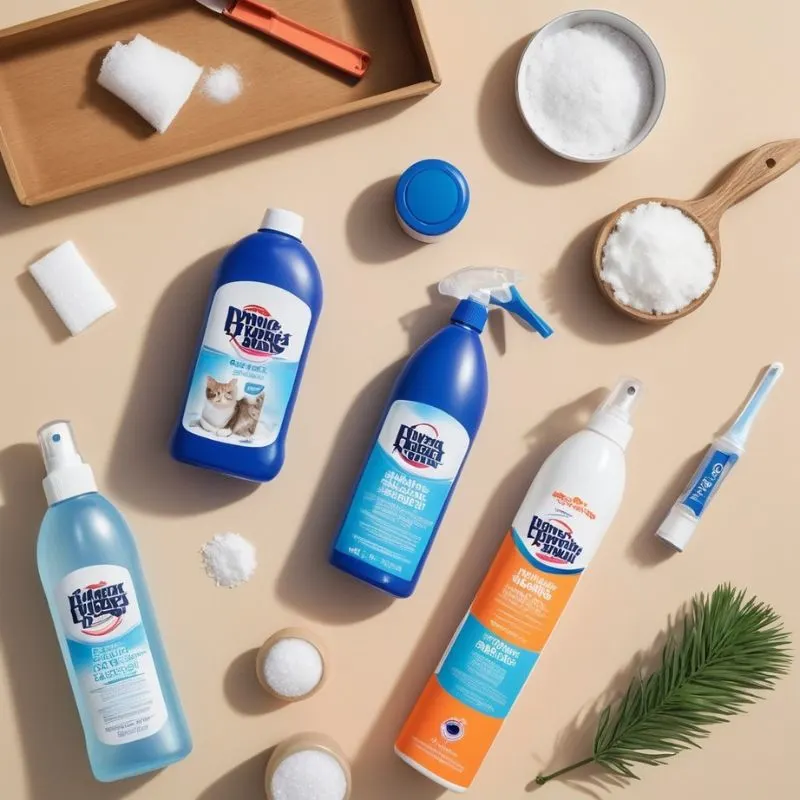
If you’ve identified a spraying incident, don’t panic. There are several effective ways to eliminate the odor. The trick is to break down the enzymes in the spray rather than just masking the smell.
Recommended Products:
- Enzymatic Cleaners: These break down the proteins in cat spray and neutralize the smell at the source.
- Vinegar and Baking Soda: An affordable DIY combo that can help with light spraying.
- Activated Charcoal Deodorizers: Great for neutralizing lingering smells in the air.
- UV Flashlights: Useful for locating invisible spray stains.
- Air Purifiers with HEPA and carbon filters: These can help freshen the overall space.
Never use ammonia-based cleaners. Since cat pee vs spray already smells like ammonia, these can actually encourage more spraying.
FAQs
What is the difference between cat spray and cat urine?
Cat spray is a small amount of urine mixed with hormones and pheromones used for marking territory or communication. Regular urine is used for waste elimination.
Why does cat spray smell worse than pee?
Because it’s more concentrated and contains hormonal compounds designed to linger and attract other cats, making it significantly more pungent.
Can you stop the smell of cat spray completely?
Yes, but only with thorough cleaning using enzymatic cleaners. Preventing future spraying by neutering and addressing behavioral triggers is also essential.
What does neutered male cat spray smell like?
While neutered males spray less frequently, when they do, it smells similar to unneutered spray but typically less intense and musky.