


You already know that nicknames carry emotion. They say something a full name simply cannot. If you have ever heard a Russian speaker call someone “solnyshko” or “zaychik” and wondered what it meant, you are not alone. Russian pet names are rich, layered, and deeply cultural.
This guide covers the most common Russian terms of endearment, explains what they actually mean, shows you how gender changes them, tells you which ones work for pets like cats and dogs, and warns you about a few that can go wrong.
What Are Russian Pet Names?
Russian pet names (ласкательные слова, laskatelnyye slova) are affectionate words used between close friends, romantic partners, family members, and pets. They are formed by adding diminutive suffixes to ordinary nouns, turning words for animals, nature, and food into warm expressions of love and closeness. Most carry a sense of smallness, tenderness, or preciousness.
Why Russians Use Animal Names as Terms of Endearment
This surprises many English speakers. In English, sweet names often reference food: honey, sugar, cupcake. In Russian, animals are the go-to source for affectionate nicknames. This reflects a cultural warmth toward small creatures and a tradition of using diminutives to soften language.
The logic is simple: small animals feel gentle, harmless, and close. A bunny, a kitten, a little fish, a sparrow. These images carry softness, not insult. The same instinct shows up in English pet naming, which is why so many rabbit names lean on food and softness rather than strength.
This is also why the suffix matters so much. The word “kot” means cat. “Kotik” means little cat or kitten. That tiny suffix changes the entire emotional tone of the word.
The Most Common Russian Pet Names and What They Mean
Russian has three main categories of pet names: animal-based, nature-based, and words that express love or closeness directly. Each one carries a slightly different emotional weight, and knowing the difference helps you use them correctly.
Animal-Based Nicknames
These are the most widely used affectionate names in Russian. They work for romantic partners, children, and close friends.
| Russian | Pronunciation | Meaning |
|---|---|---|
| Зайчик / Зайка | Zaychik / Zayka | Little bunny |
| Котик / Котёнок | Kotik / Kotyonok | Kitten |
| Рыбка | Rybka | Little fish |
| Мышка | Myshka | Little mouse |
| Ласточка | Lastochka | Little swallow |
| Цыплёнок | Tsyplyonok | Little chick |
| Воробушек | Vorobushek | Little sparrow |
| Лисичка | Lisichka | Little fox |
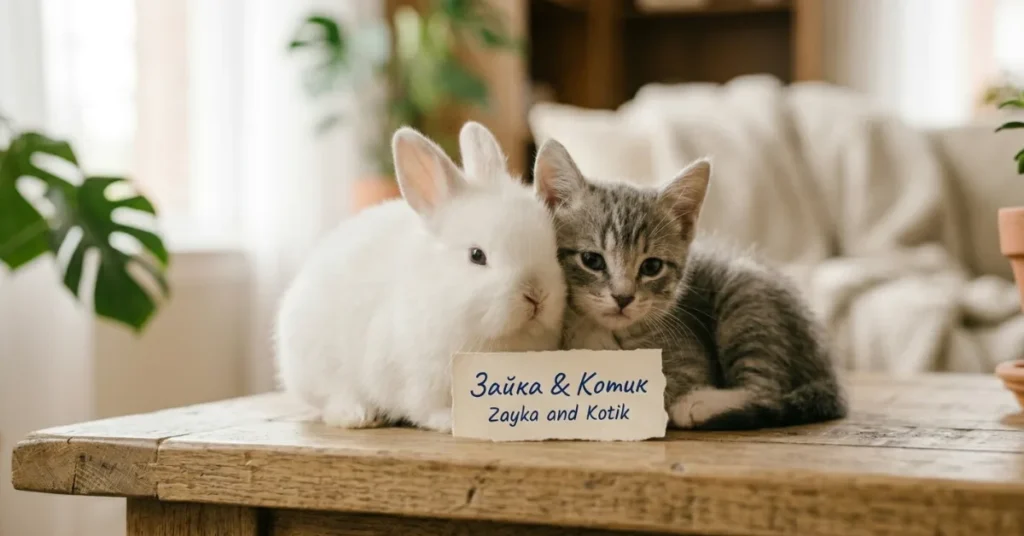
“Зайка” and “котик” are probably the two most common terms used between romantic partners in Russia today. You will hear them constantly in everyday conversation.
Nature and Warmth-Based Nicknames
These names focus on light, value, and beauty. They express deep affection rather than playfulness.
| Russian | Pronunciation | Meaning |
|---|---|---|
| Солнышко | Solnyshko | Little sun / sunshine |
| Звёздочка | Zvyozdochka | Little star |
| Золотце | Zolotse | Little gold / precious one |
| Ягодка | Yagodka | Little berry |
| Бусинка | Businka | Little bead |
“Солнышко” is one of the most universally used pet names in Russian. Parents say it to children, partners say it to each other. It carries no awkwardness and works across age groups.
Affection Words Based on Beauty and Closeness
These are more direct expressions of love and value.
| Russian | Pronunciation | Meaning |
|---|---|---|
| Любимая / Любимый | Lyubimaya / Lyubimyy | Beloved (f/m) |
| Дорогая / Дорогой | Dorogaya / Dorogoy | Dear (f/m) |
| Родная / Родной | Rodnaya / Rodnoy | My own / darling (f/m) |
| Милая / Милый | Milaya / Milyy | Gentle / sweet (f/m) |
| Лапочка | Lapochka | Sweetie / darling |
| Малышка / Малыш | Malyshka / Malysh | Baby (f/m) |
| Крошка | Kroshka | Tiny one / baby |
| Умница | Umnitsa | Clever one / good girl or boy |
Notice the pattern: many of these have a feminine and masculine form. Russian is a gendered language, so the ending changes depending on who you are speaking to.
How Gender Changes Russian Pet Names
This matters more in Russian than in English. When you call someone “beloved” or “dear,” the word ending changes.
- Speaking to a woman: Любимая, Дорогая, Родная, Красивая
- Speaking to a man: Любимый, Дорогой, Родной, Красивый
Animal-based names like “котик,” “зайка,” and “рыбка” are grammatically neutral in usage. You can call anyone these names without changing the ending, which is why they are so popular.
Russian Pet Names for Cats and Dogs
If you want to give your Russian-inspired pet a meaningful name, the same affectionate vocabulary applies. Russians name their cats and dogs with the same warmth they use for people.
For a full list of creative and culturally inspired names for your pets, check out this complete collection of pet names for cats, dogs, birds, and rabbits with over 1,500 options.
Some common Russian-flavored pet names that work well for cats and dogs:
- Masha (Маша) – a classic Russian diminutive of Maria, popular for female cats
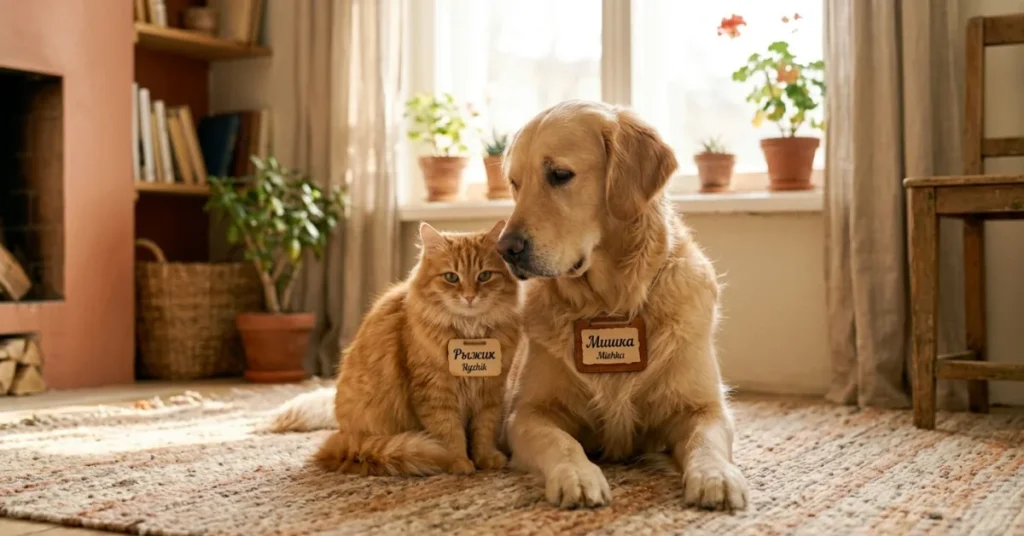
- Mishka (Мишка) – “little bear,” great for a big fluffy dog
- Belka (Белка) – “squirrel,” perfect for quick, energetic pets
- Ryzhik (Рыжик) – “little ginger,” ideal for orange cats
- Zvezda (Звезда) – “star,” works for standout pets
If you have a small pet like a mouse or hamster, you might also enjoy this guide to charming and funny mouse names for more inspiration.

How Russian Diminutive Suffixes Work
Russian is unique in how it creates affectionate words. You take a regular noun and add a suffix that shrinks it emotionally. The most common ones are:
- -ик / -ик (kot → kotik: cat → kitten)
- -ка / -ька (mysh → myshka: mouse → little mouse)
- -очка / -ечка (Anna → Anechka: formal → gentle)
- -ушек / -юшек (vorobey → vorobushek: sparrow → little sparrow)
- -еньк (doch → dochenka: daughter → dear daughter)
This system means Russian speakers can technically create an endearing form of almost any word. The language has enormous flexibility when it comes to expressing closeness.
According to linguistic research published through resources like Encyclopaedia Britannica’s coverage of Slavic languages, the Russian diminutive system is one of the most developed among Indo-European languages, which explains why terms of endearment are so central to everyday communication.
Using Diminutive Forms of Russian Names
One thing many guides miss is that Russians also shorten personal names into affectionate forms. These are not just nicknames. They signal closeness and trust.
Using someone’s diminutive name instead of their full name shows you are comfortable with them. It is a sign of warmth, not informality.
Some examples:
- Александр becomes Саша, Сашенька, or Саня
- Дмитрий becomes Дима or Димочка
- Анастасия becomes Настя or Настенька
- Михаил becomes Миша or Мишенька
- Екатерина becomes Катя or Катенька
- Иван becomes Ваня or Ванечка
The longer the diminutive form, the more tender it sounds. “Мишенька” is softer than “Миша.”
Pet Names to Avoid in Russian
Not all small or cute words feel flattering. Some animal comparisons can offend depending on how they land.
Be careful with:
- Обезьянка (obezyanka) – “little monkey” – can feel playful between close friends but easily reads as mocking
- Поросёночек (porosyonochek) – “little piglet” – almost never taken well
- Пончик (ponchik) – “donut” – can feel like a comment on weight
If you are learning Russian and experimenting with terms of endearment, stick to the safe classics: зайка, котик, солнышко. These carry no risk and are universally understood as affectionate.
When to Use Russian Pet Names
Context matters. Russians do not use diminutive names casually with strangers or new acquaintances. These words signal existing closeness.
Use them when:
- You are in a romantic relationship
- Speaking to a young child
- Talking to a close family member
- Addressing a very close friend you have known for years
Do not use them with people you have just met. It can come across as presumptuous or even sarcastic, depending on tone.
As noted by language experts at Cambridge Dictionary’s Russian language resources, affectionate terms in any language carry implicit signals about relationship status and should be used within understood social boundaries.
FAQ: Russian Pet Names
What is the most common Russian pet name for a romantic partner? “Зайка” (zayka, little bunny) and “котик” (kotik, little kitten) are the two most widely used terms between couples in modern Russian.
Can Russian pet names be used for both men and women? Most animal-based ones like зайка, котик, and рыбка can be used for anyone. Adjective-based terms like “любимый” or “любимая” do change form depending on the gender of the person you are addressing.
Is it rude to use pet names in Russian with strangers? Yes, it can come across as overly familiar or even mocking. These words are reserved for people you are genuinely close to.
Do Russians use pet names for their actual pets? Yes. Cats and dogs in Russian households are often called котик, малыш, зайка, or other soft names, just like people.
What does “солнышко” mean and when do you use it? Солнышко means “little sunshine.” It is one of the safest and warmest pet names in Russian. Parents use it for children, couples use it for each other, and it never sounds inappropriate.
Are Russian diminutive names different from pet names? Diminutive personal names (like Миша for Михаил) are a separate but related category. They show closeness, but they refer to a person’s name rather than comparing them to an animal or nature image.
Conclusion
Russian pet names are rooted in warmth, smallness, and closeness. They use the natural world, especially small animals, to express love and tenderness. The diminutive suffix system makes Russian uniquely flexible for creating affectionate language.
The key takeaways: use animal-based names like зайка and котик for partners or children, be aware that gendered words change based on who you address, and always save these names for people you are genuinely close to.
Whether you are naming a new pet with a Russian flair or learning how to express warmth in Russian, the vocabulary here gives you a strong, practical foundation.


