
Introduction: Why Quail Breeding is Growing in Popularity
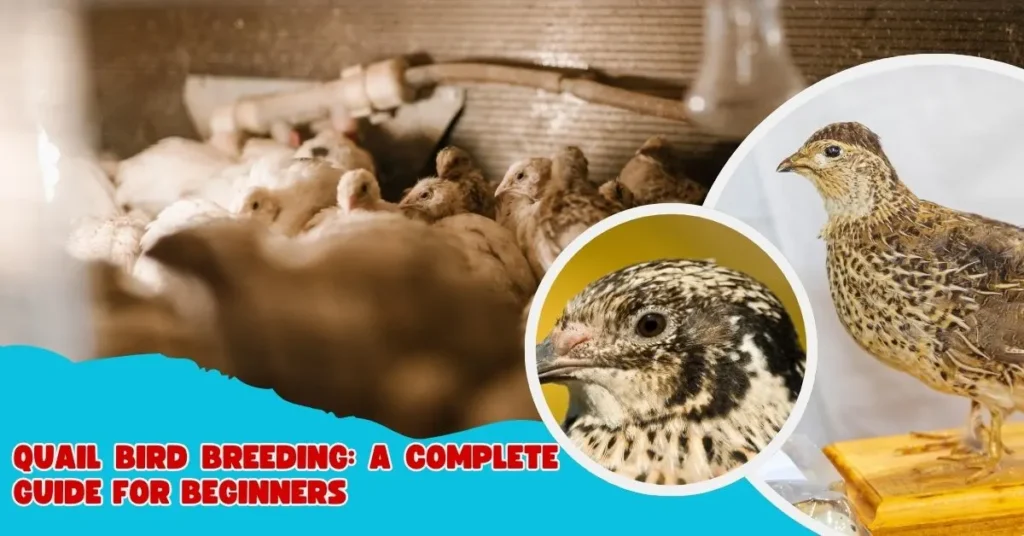
Quail bird breeding is becoming increasingly popular among poultry lovers and small-scale farmers. Unlike chickens or ducks, quails are hardy, small, and efficient egg layers, making them perfect for backyard quail farming. They mature quickly, require less space, and are easy to manage, which is why many beginners prefer raising quails over other poultry.
In this complete guide, you’ll learn everything about breeding quails—from choosing the right breeds to caring for chicks and improving egg production. Whether you’re a hobbyist or aiming for commercial quail farming, these steps will help you start successfully.
Types of Quails for Breeding
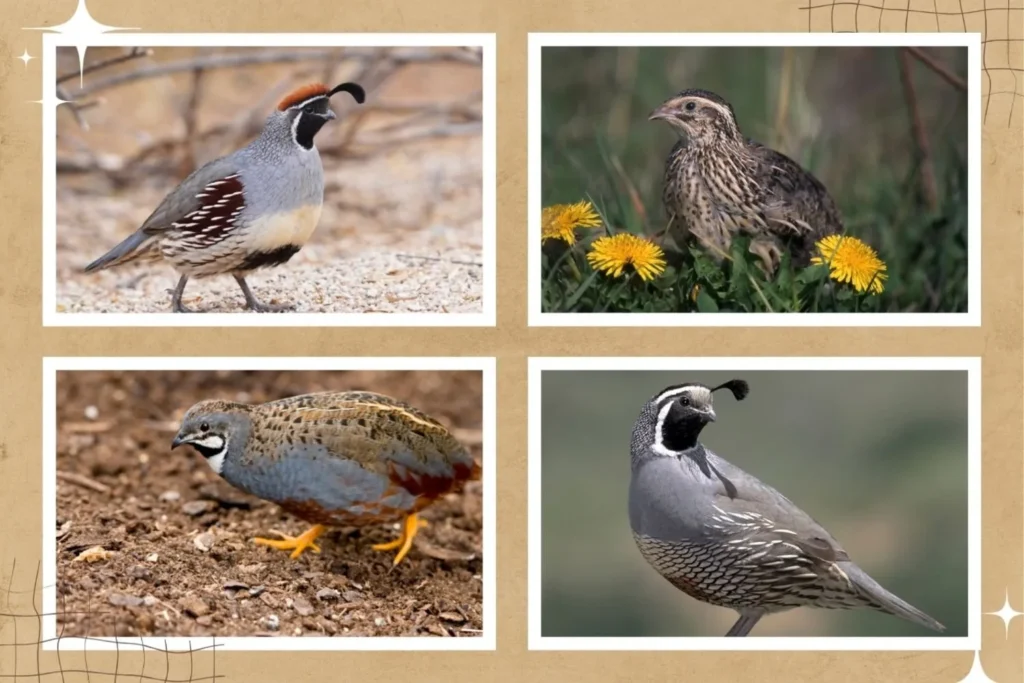
Before diving into breeding, it’s important to know which quail breeds suit your goals. Here are some popular types:
- Coturnix Quail (Japanese Quail) – The most popular breed for beginners. They mature quickly (about 6 weeks) and start laying eggs earlier than other breeds. Coturnix quails are known for high egg production, mild temperament, and adaptability.
- Bobwhite Quail – A bit more challenging but popular in the United States for hunting preserves and meat. They take longer to mature (16 weeks) but are valued for their gamey flavor and attractive appearance.
- Button Quail (Chinese Painted Quail) – Tiny, colorful, and mostly kept as ornamental or pet birds. They are great for enthusiasts who want exotic beauty rather than high production.
- California Quail and Gambel’s Quail – Often kept by collectors or hobbyists; require more care and space.
- King Quail – Attractive and small, mostly for pets or ornamental purposes.
Tip: Beginners should always start with Coturnix quail because of their fast growth and ease of care.
Housing and Environment Setup

A proper housing system ensures healthy breeding and good productivity. Quails are small, but they still need a clean, safe, and comfortable environment.
1. Space and Cage Requirements:
- Each adult quail requires at least 1 square foot of space. Overcrowding can lead to stress and aggression.
- Use wire cages with trays for easy cleaning and egg collection.
- For pets or ornamental breeding, aviary-style enclosures with natural plants can work well.
2. Flooring:
- Wire mesh flooring keeps droppings away but ensure it’s fine enough to prevent foot injuries.
- Add bedding like wood shavings if keeping them in a ground pen.
3. Lighting and Temperature:
- Quails need 14–16 hours of light daily to maintain egg production.
- Temperature should stay between 70–75°F (21–24°C) for best breeding results.
- In colder climates, provide heating lamps; in hot regions, ensure proper ventilation.
4. Safety and Hygiene:
- Protect quails from predators like cats, rats, and snakes.
- Clean cages regularly to prevent buildup of droppings and bacteria.
Feeding and Nutrition for Quails
Proper nutrition plays a vital role in quail bird breeding, ensuring healthy hens, strong eggs, and fast-growing chicks. A balanced diet improves egg production and boosts hatch rates, making it one of the most important parts of successful quail farming.
1. Starter Feed:
- Newly hatched chicks require a high-protein starter diet with around 24–28% protein. Crumble feed is ideal, as chicks are too small to eat large pellets
2. Grower and Layer Feed:
- At about 4 weeks, transition quails to a grower feed containing 20–22% protein. For laying hens, provide a layer diet with 18–20% protein and extra calcium to maintain strong eggshells.
3. Supplements:
- Supply grit to support digestion and add cuttlebone or oyster shells for calcium. Occasional treats like fresh greens, fruits, or mealworms can be given in small amounts.
4. Water:
- Clean, fresh water is essential every day. For chicks, use shallow dishes with marbles or stones to prevent drowning accidents.
Quail Breeding Basics
Once your quails are healthy and well-fed, breeding is simple compared to other poultry.
Male-to-Female Ratio:
- Keep 1 male for every 4–6 females to avoid over-mating and stress.
- Too many males can cause fights and injuries.
When Do Quails Start Laying Eggs?
- Coturnix quails start laying at 6–8 weeks. Other breeds may take longer.
- They usually lay one egg per day when conditions are right.
Collecting and Storing Eggs:
- Collect eggs daily to keep them clean and safe.
- Store fertile eggs at 55–65°F (13–18°C) if not incubating immediately.
- Do not wash eggs intended for hatching; a light wipe with a dry cloth is okay.
Incubation Process: How to Hatch Quail Eggs Successfully

Breeding quails isn’t complete without hatching the eggs. While some quail breeds like Button Quails can naturally incubate eggs, most commonly kept quails such as Coturnix rarely sit on eggs. That’s why artificial incubation is the most reliable method.
1. Choosing the Right Incubator
- A small tabletop incubator is enough for beginners. Choose one that maintains temperature and humidity consistently.
- Ensure it has an automatic egg turner to prevent chicks from sticking to the shell.
2. Incubation Conditions
- Temperature: Keep between 99.5°F (37.5°C) to 100°F (37.8°C).
- Humidity: Maintain 45–55% during the first 14 days, then increase to 65–70% during hatching (last 2–3 days).
- Turning Eggs: Turn eggs at least 3–5 times daily if not using an automatic turner. Stop turning after day 14.
3. Incubation Duration
- Coturnix quail eggs hatch in 17–18 days.
- Bobwhite quail eggs take around 23–24 days.
4. Key Tips for High Hatch Rates
- Use only clean, uncracked, medium-sized eggs for incubation.
- Do not refrigerate eggs before setting them.
- Avoid opening the incubator frequently, especially during the last few days.
Chick Care: From Hatch to Independence
Quail chicks are tiny and delicate, but with proper care, they grow quickly.
1. Brooder Setup
- Use a small brooder box or even a plastic storage container.
- Line it with paper towels for the first week to prevent splay legs. Switch to pine shavings after that.
- Ensure no sharp edges or gaps where chicks could escape or get injured.
2. Heat and Light
- Maintain a temperature of 95°F (35°C) during the first week.
- Reduce the temperature by 5°F each week until they’re fully feathered (around 3–4 weeks).
- A 60W bulb or heat lamp works well; always provide a cooler area so chicks can move if overheated.
3. Feeding Chicks
- Offer high-protein starter feed (24–28%) in crumble form.
- Provide shallow water dishes with marbles or stones to prevent drowning.
4. Growth and Transition
- At 3 weeks, chicks start to look like mini adults and can be moved to larger cages.
- At 6 weeks, they reach maturity and can join the breeding flock or be sold.
Health and Disease Management
Healthy quails breed better and live longer. While quails are generally hardy, poor hygiene or nutrition can lead to problems.
1. Common Quail Diseases
- Coccidiosis: Caused by parasites; symptoms include diarrhea and lethargy. Prevent with clean cages and medicated feed if needed.
- Respiratory Infections: Avoid dusty bedding and ensure good ventilation.
- Egg-Binding: Happens if hens lack calcium. Provide grit and calcium supplements.
2. Hygiene and Biosecurity
- Clean cages, feeders, and waterers regularly.
- Quarantine new birds before adding them to the flock.
- Avoid mixing quails with chickens to reduce disease risks.
3. Signs of a Healthy Quail
- Bright eyes, smooth feathers, active movement, and consistent eating.
- Healthy hens will lay regularly; a sudden drop in production can indicate stress or illness.
Profitability and Market Tips
Quail breeding can be a fun hobby, but it’s also a profitable side business if done right.
1. What Can You Sell?
- Eggs: Quail eggs are a delicacy and can sell at premium prices in restaurants and specialty stores.
- Meat: Quail meat is lean, flavorful, and sought after in gourmet cuisine.
- Live Birds: Sell breeding pairs, chicks, or even pet quails.
- Fertilizer: Quail droppings make excellent garden manure.
2. Where to Sell?
- Local farmers’ markets, organic stores, and online platforms.
- Restaurants and hotels often buy in bulk.
- Social media and small websites can help you market your birds.
3. Tips for Scaling Up
- Start small, learn the basics, and expand gradually.
- Keep proper records of breeding, egg production, and expenses.
- Always prioritize quality over quantity for long-term profits.
Common Mistakes to Avoid
- Overcrowding: Stress and fighting reduce productivity.
- Ignoring Hygiene: Dirty cages quickly lead to disease.
- Wrong Feed: Low protein or calcium will affect eggs and growth.
- Poor Male-to-Female Ratio: Too many males can harm hens.
- Skipping Light Management: Quails need proper lighting to lay consistently.
Quail bird breeding is one of the easiest and most rewarding types of small bird farming. Whether you’re raising quails as pets, breeding for meat and eggs, or starting a small commercial farm, this guide will help you achieve success. With the right environment, good feed, and patience, your journey in quail farming can quickly grow into a thriving venture. With the right environment, good feed, and a little patience, you can turn a few birds into a thriving flock.
Quick Checklist for Success:
- Choose beginner-friendly breeds (Coturnix).
- Provide clean housing and proper lighting.
- Use high-protein feed and fresh water daily.
- Maintain correct incubation and brooder temperatures.
- Monitor bird health and keep records.
By following these steps, you’ll be well on your way to becoming a successful quail breeder.