
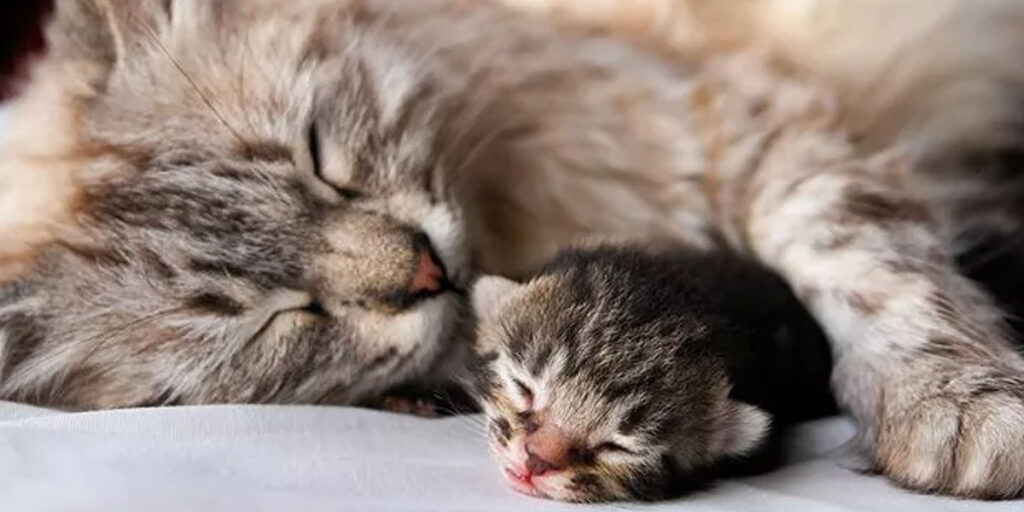

Most people fall for a cat in a single moment: a photo, a friend’s lap cat, a kitten that climbs straight into their hands. The years that follow depend on choices made long before that moment, about lifestyle, breed, and who raised the kitten.
Getting those choices wrong has a real cost for cats. A study published by the ASPCA in December 2015 estimated that more than 1 million U.S. households re-home a cat or dog every year, and 46% of those cases came down to a problem with the pet itself, such as behavior or health.
Knowing how to choose a cat lowers that risk for everyone involved. This guide walks through the process in order: matching a cat to your daily life, narrowing down breeds, finding a responsible breeder, and finally meeting the kitten who will share your home.
Start With Your Daily Life, Then the Cat
What should you consider before choosing a cat?
Start with time, space, and energy, because those decide which cats will thrive with you. Choosing a cat on looks alone is how many mismatches begin.
Ask yourself three practical questions:
- How many hours is the home empty? Social breeds struggle with long days alone.
- How much room is there to climb and play? Large and active cats need vertical space more than floor space.
- How much grooming can you commit to each week? Long coats need regular brushing, and hairless cats need regular baths.
How does home size shape the decision?
Size affects comfort more than people expect. A Maine Coon kitten can grow into a cat weighing well over 15 pounds, so it needs sturdy cat trees, a large litter box, and shelves strong enough to hold it. Smaller breeds such as the Cornish Rex settle easily into compact apartments.
Who else lives in the home?
Children, older relatives, and other pets all shape the right fit. A patient, sturdy cat suits a busy family, while a sensitive, quieter cat often does better with one or two calm adults.
Narrowing Down the Breed
How do you compare breeds fairly?
Compare breeds on the same few traits: energy, social needs, grooming, and size. Writing these down side by side quickly shows which breeds fit and which only look appealing.
| Breed | Energy | Social needs | Grooming |
| Persian | Low | Moderate, enjoys quiet company | Daily brushing |
| Burmese | Moderate | High, follows its people | Weekly brushing |
| Siberian | Moderate to high | Moderate, playful | Brushing 2 to 3 times a week |
| Abyssinian | High | Moderate, curious and busy | Weekly brushing |
| Sphynx | High | High, seeks warmth and contact | Weekly baths and ear cleaning |
| Somali | High | Moderate, playful | Brushing 2 to 3 times a week |
Why talk to people who already live with the breed?
Owners describe daily life in a way breed profiles cannot. Breed clubs, cat shows, and owner groups are good places to ask how much the cat sheds, how loud it is, and how it handles visitors.
When should health traits shape your choice?
Always, before you commit. Many breeds have known inherited conditions, and a responsible breeder will be open about them and about the tests used to screen for them.
Finding a Breeder Who Puts Cats First
How to choose a cat breeder you can trust
Look for a breeder who raises kittens in the home, tests the parents for known health conditions, and asks you as many questions as you ask them.
Health testing is the clearest sign of care. For example, the UC Davis Veterinary Genetics Laboratory offers a DNA test for a mutation linked to hypertrophic cardiomyopathy (HCM) in Maine Coons. In cats carrying two copies, serious heart disease can appear by age 4 or earlier. A good breeder will show results like these without being asked twice.
What steps should you follow?
A clear sequence keeps the search calm and thorough:
- Check registration. Ask which cat association the breeder and the parents are registered with.
- Ask for health records. Request genetic test results, vet records, and vaccination history for the parents and kittens.
- See where kittens live. Visit in person or by video call, and look for clean, lived-in rooms with toys and people around.
- Meet the mother. A relaxed, friendly mother is a good early sign of the kittens’ temperament.
- Read the contract. Look for a written health guarantee, a spay or neuter policy, and a promise to take the cat back if you ever cannot keep it.
Which warning signs mean you should walk away?
Knowing how to choose a cat breeder also means knowing when to stop. Be cautious if kittens are offered before 12 weeks of age, if you cannot see the parents, or if the seller pushes for fast payment.
Meeting the Kitten Who Fits
What should you watch for during the first meeting?
Watch how the kitten behaves with you. In an ASPCA study of nearly 1,500 adopters published in April 2012, seeing a cat’s behavior while interacting with it weighed more heavily in people’s final choice than seeing the animal behind a cage door.
Signs of a well-socialized kitten:
- Approaches people with curiosity after a short pause
- Relaxes when picked up and gently held
- Recovers quickly from a sudden noise
- Plays with toys and littermates without constant hissing
Should you choose the boldest or the quietest kitten?
Choose the one whose energy matches your home. The bold kitten who climbs your leg suits an active household, while the gentle observer often fits a quieter one. Ask the breeder, who has watched each kitten every day for weeks.
Why does the breeder’s input help so much?
The breeder sees each kitten eat, play, nap, and react to visitors. Sharing honest details about your routine lets them guide you, which makes choosing a cat far less of a guessing game.
From Wish List to Welcome Home
How to choose a cat comes down to an honest look at your days, a short list of breeds that suit them, and a breeder who can prove the kittens were raised with care.
Take your time at each step. The cat you bring home will rely on that care for well over a decade, and a thoughtful choice gives both of you the best start.
Frequently Asked Questions
How long is a typical wait for a kitten from a breeder?
It varies by breed and season. Popular breeds may have waiting lists of several months, so start your search early.
Is it better to choose a breeder close to home?
A nearby breeder makes visits easier, but distance counts for less than health testing, transparency, and follow-up support.
What questions will a good breeder ask you?
Expect questions about your home, work hours, other pets, and experience with cats. This is a sign the breeder cares where each kitten goes.
Should you get a pet-quality or show-quality kitten?
For a family companion, a pet-quality kitten is usually the right fit. The difference is often cosmetic, such as coat pattern or ear set.
Can you meet the kitten more than once before deciding?
Many breeders welcome a second visit or video call. Seeing the kitten twice helps you judge its usual mood.
What should the kitten’s first vet visit include?
A general health check, a review of vaccination records, and a plan for future vaccines, parasite control, and spaying or neutering.
Does a good breeder stay involved after the kitten comes home?
Yes. A good breeder stays in touch and answers questions about food, behavior, and health for years.