
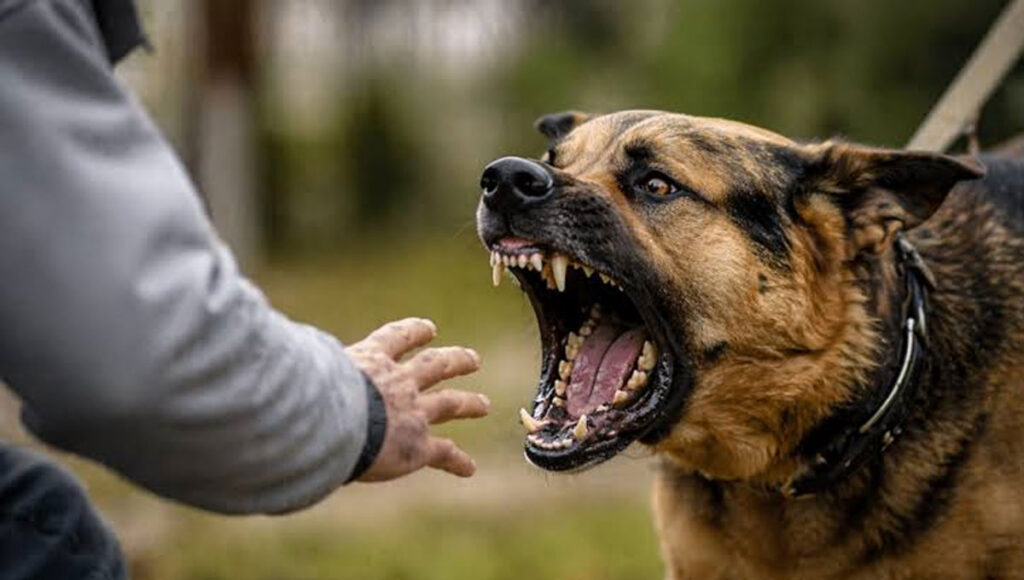

Dog bites can happen in familiar surroundings, during a walk, while visiting a friend or when approaching an unfamiliar animal. Even a dog that has never shown aggression may react unexpectedly when frightened, startled, injured, or overwhelmed. Understanding canine behavior and respecting an animal’s boundaries can help prevent many incidents. However, responsible ownership also involves knowing how to respond when a bite occurs.
Owners, parents, and anyone interacting with dogs should understand basic safety measures, appropriate medical care, and the legal considerations that may follow an attack. A combination of awareness, supervision, and responsible handling can help protect people while supporting the well-being of dogs.
How Can People Reduce the Risk of Dog Bites?
Preventing dog bites begins with understanding that animals communicate through body language. A dog may become uncomfortable when people approach too quickly, invade its space, or ignore warning signals.
- Common situations that may increase bite risk include:
- Approaching dogs while they are eating, sleeping, or caring for puppies.
- Hugging, cornering, or restraining a dog that wants to move away.
- Teasing animals, pulling their tails or ears, or making sudden movements.
- Allowing young children to interact with dogs without adult supervision.
- Approaching unfamiliar dogs without giving them time to become comfortable.
Children should be taught to ask an owner’s permission before touching a dog and avoid approaching animals that are resting, frightened, or showing signs of discomfort. Adults should actively supervise interactions rather than assume a familiar pet will always behave predictably.
What Responsible Dog Ownership Can Do to Prevent Attacks
Responsible ownership involves more than feeding, grooming, and providing veterinary care. Owners also have a duty to manage their pets in ways that help protect other people and animals.
Helpful practices include:
- Training and socialization: Introduce dogs to people, environments, and other animals gradually and positively.
- Leash management: Use appropriate leashes and follow local leash regulations in public spaces.
- Recognizing warning signals: Learn to identify stiff posture, growling, tucked tails, repeated lip licking, and attempts to retreat.
- Secure containment: Use suitable fencing, gates, and restraints to prevent dogs from escaping.
- Routine veterinary care: Address pain, illness, or behavioral changes that could affect a dog’s reactions.
Owners should avoid punishing growling because it may suppress an important warning signal without addressing the underlying discomfort. Understanding and responding to canine communication can help reduce risks.
What to Do Immediately After a Dog Bite
A dog bite can cause puncture wounds, tissue damage, infection, and lasting scars. Prompt action can reduce health risks and help document the incident.
If someone is bitten, they should:
- Move to a safe location: Avoid further contact with the dog and prevent another attack.
- Clean the wound: Wash thoroughly with soap and running water.
- Seek medical attention: Contact a healthcare professional promptly, especially for deep wounds, bites to the face or hands, bleeding, swelling, or signs of infection.
- Check rabies concerns: Ask a medical professional whether rabies prevention or other treatment is needed, based on the animal and circumstances.
- Document the incident: Photograph injuries, record the date and location, and collect the owner’s contact details and witness information.
The CDC provides guidance on dog bite prevention and wound-related precautions in its dog safety and health guidance.
When Legal Considerations Become Important After an Animal Attack
Medical treatment is the immediate priority, but serious dog bite incidents may also raise questions about responsibility, insurance, and financial losses. Depending on local law, a dog owner may be liable for injuries caused by their animal, although the circumstances and applicable legal standards vary.
When injuries are serious, liability is disputed or an insurer refuses to offer fair compensation, consulting an animal attack lawyer may help an injured person understand the available legal options.
Potentially relevant considerations include:
- Responsibility and liability: Ownership, prior incidents, the location of the attack, and the victim’s conduct may affect liability.
- Medical expenses: Treatment, rehabilitation, medication, and future care may form part of a compensation claim.
- Lost income: Time away from work and potential future earning losses may be relevant.
- Evidence: Photographs, medical records, witness statements, animal control reports, and insurance information may help establish what happened.
- Legal deadlines: The time available to bring a claim depends on the applicable jurisdiction and circumstances.
For example, Pennsylvania applies specific legal standards to dog bite and animal attack claims. These rules should not be assumed to apply elsewhere. An injured person should seek jurisdiction-specific guidance before making decisions about a claim.
Conclusion
Dog bite prevention requires awareness, training, supervision and responsible pet ownership. Understanding canine behavior can reduce risks, but accidents may still happen. Prompt medical care, careful documentation and awareness of applicable legal responsibilities can help people respond appropriately. Protecting people and supporting animal welfare go hand in hand when communities approach dog safety responsibly.
Frequently Asked Questions
Can a dog bite cause an infection even if the wound looks small?
Yes. Dog bites can introduce bacteria into the skin, so even minor-looking wounds may require medical evaluation.
Should children be left alone with a familiar family dog?
No. Young children should always be supervised around dogs because animals can react unpredictably, even when they are familiar family pets.
Can a dog owner face consequences if their pet bites someone?
Yes. Depending on local laws and the circumstances, owners may face civil liability, insurance claims or other consequences following a bite.