

Introduction
Bringing home a new puppy is exciting, but the bills can catch you off guard. Training costs vary wildly depending on where you live, what method you choose, and how much help your puppy needs. This guide breaks down exactly what you’ll pay for puppy training in 2026, from budget-friendly group classes to premium private sessions. You’ll learn the real costs, what affects pricing, and how to choose the best option for your budget and your pup’s needs.
What Is Puppy Training Cost?
Puppy training cost refers to the total expense of teaching basic obedience, socialization, and behavioral skills to a young dog, typically between 8 weeks and 6 months old. In 2026, most American dog owners spend between $150 and $600 for group classes or $500 to $2,000+ for private training sessions, depending on location, trainer credentials, training method, and the puppy’s specific behavioral needs.
Average Puppy Training Costs in 2026
Training prices have increased slightly since 2024 due to inflation and higher demand for certified trainers. Here’s what you can expect to pay:
Grooming has moved the same way; our breakdown of what a dog haircut costs covers the range by coat type and region.
Group Training Classes
Group classes are the most affordable option. You’ll train alongside other puppies in a controlled environment.
- Basic puppy kindergarten (4-6 weeks): $150–$300
- Intermediate obedience (6-8 weeks): $200–$400
- Advanced group training: $300–$500
Group sessions typically last 45-60 minutes and meet once weekly.
Private Training Sessions
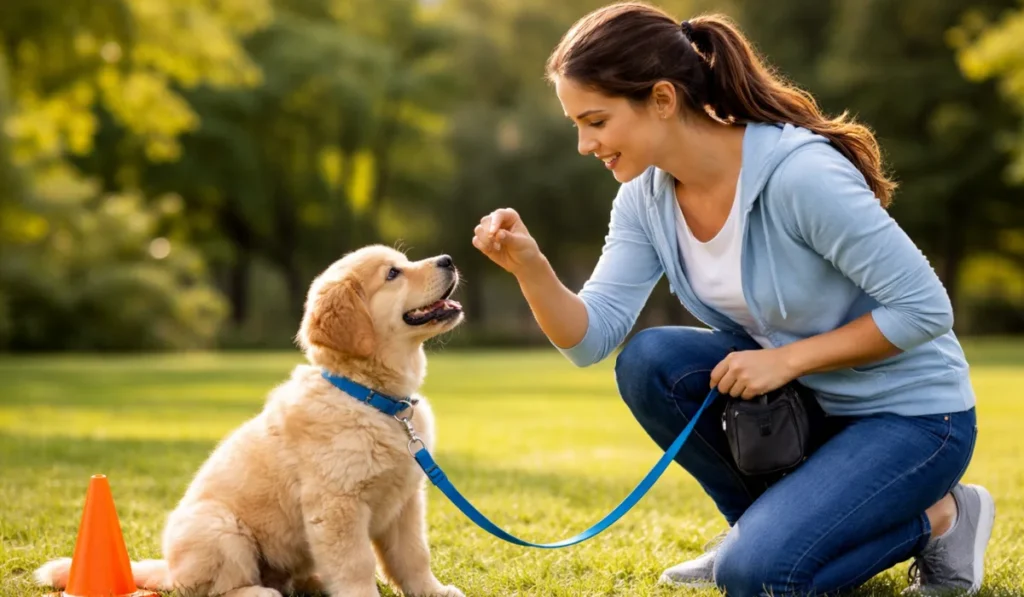
One-on-one training offers personalized attention and faster results.
- Single session (1 hour): $75–$200
- Package of 4-6 sessions: $400–$1,000
- Intensive package (10+ sessions): $1,200–$2,500
Private training works best for puppies with specific behavioral issues or anxious dogs who struggle in group settings.
Board and Train Programs
Your puppy stays with a trainer for 2-4 weeks and receives daily training.
- 2-week program: $1,500–$3,000
- 4-week program: $3,000–$5,500
- Specialized behavior modification: $4,000–$7,000+
These programs include boarding, meals, and intensive daily training sessions.
Online Training Courses
Digital training has grown popular since 2023.
- Self-paced video courses: $30–$150
- Live virtual sessions: $50–$100 per hour
- Subscription platforms: $15–$50 monthly
Online training costs less but requires more owner involvement and self-discipline.
Puppy Training Cost Breakdown by Method
| Training Type | Price Range | Duration | Best For |
|---|---|---|---|
| Group Classes | $150–$500 | 4-8 weeks | Socialization, budget-conscious owners |
| Private Sessions | $75–$200/session | Ongoing | Behavioral issues, personalized attention |
| Board & Train | $1,500–$7,000+ | 2-4 weeks | Intensive correction, busy owners |
| Online Courses | $30–$150 | Self-paced | DIY learners, supplement to in-person |
Source: American Kennel Club
Factors That Affect Puppy Training Costs
Location
Urban areas charge more than rural regions. Expect to pay 30-50% more in cities like New York, San Francisco, or Seattle compared to smaller towns.
Trainer Credentials
Certified trainers cost more but deliver better results.
- Basic trainers: $50–$100/hour
- Certified Professional Dog Trainers (CPDT-KA): $100–$150/hour
- Veterinary behaviorists: $150–$300/hour
Look for trainers certified by the Certification Council for Professional Dog Trainers (CCPDT) or International Association of Animal Behavior Consultants (IAABC).
Training Method
Positive reinforcement trainers typically charge more than those using outdated correction-based methods. Force-free training is more effective and ethical but may cost $10-30 more per session.

Puppy’s Age and Behavior
Older puppies or those with aggression, anxiety, or fear issues require more specialized training, increasing costs by 25-50%.
Session Length and Frequency
Longer sessions and multiple weekly meetings cost more upfront but may reduce total training time.
Additional Costs to Consider
Don’t forget these extra expenses:
- Training equipment: $30–$100 (leash, collar, clicker, treats)
- Puppy socialization classes: $100–$200 (separate from obedience)
- Veterinary behaviorist consultation: $300–$600 (for severe issues)
- Follow-up sessions: $50–$150 each
- Training books and materials: $20–$50
How to Choose the Right Training Option
Consider these factors before committing:
Your budget: Group classes offer the best value for basic training.
Your schedule: Busy owners may prefer board and train programs despite higher costs.
Your puppy’s temperament: Shy or reactive puppies do better with private sessions.
Your experience level: First-time owners benefit from structured group classes with professional guidance.
Training goals: Basic manners need less investment than competition obedience or therapy dog certification.
Cost Comparison: Regional Pricing
| Region | Group Classes | Private Sessions | Board & Train |
|---|---|---|---|
| Northeast | $250–$500 | $100–$200/hour | $2,500–$6,000 |
| Southeast | $150–$350 | $75–$150/hour | $1,800–$4,500 |
| Midwest | $150–$300 | $70–$140/hour | $1,500–$4,000 |
| West Coast | $300–$600 | $120–$250/hour | $3,000–$7,000+ |
Source: Pet Professional Guild
Ways to Save on Puppy Training
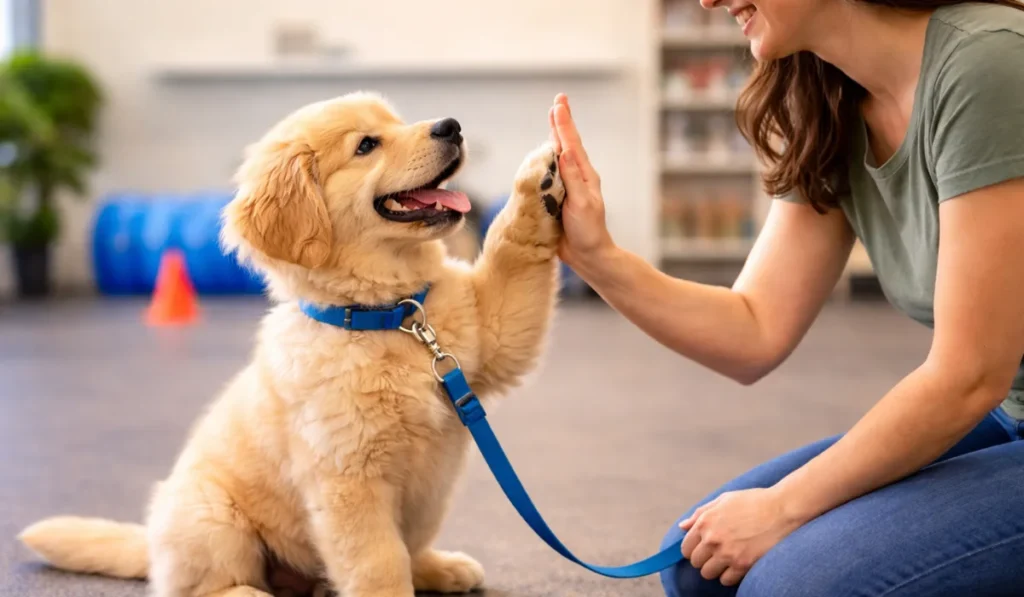
You don’t have to break the bank to train your puppy well.
Start early: Younger puppies learn faster, reducing total sessions needed.
Use free resources: YouTube channels, library books, and shelter workshops cost nothing.
Group discounts: Some trainers offer 10-15% off for multiple dogs or referrals.
Pet insurance: A few policies cover behavioral training (check your plan).
Community classes: Humane societies and rescues often offer low-cost training for $50-100.
DIY reinforcement: Practice at home between professional sessions to speed progress.
Red Flags: When to Avoid a Trainer
Watch for these warning signs:
- Guarantees specific results or timelines
- Uses shock collars, prong collars, or dominance theory
- Lacks certifications or verifiable credentials
- Won’t let you observe a class before enrolling
- Has no references or negative online reviews
- Focuses on punishment over positive reinforcement
A good trainer explains their methods, welcomes questions, and prioritizes your puppy’s emotional wellbeing.
People Also Ask
How much does puppy training cost per session?
Private puppy training sessions cost $75–$200 per hour in 2026, depending on trainer credentials and location. Urban areas charge more than rural regions. Certified trainers with advanced qualifications typically charge $100–$150 per session.
Is private or group training better for puppies?
Group training works best for socialization and basic obedience at lower cost ($150–$300 for 4-6 weeks). Private training suits puppies with behavioral issues, fearfulness, or owners needing flexible scheduling, but costs $400–$1,000+ for a package.
How many training sessions does a puppy need?
Most puppies need 6-10 sessions for basic obedience. Simple commands may require fewer sessions, while behavioral issues like separation anxiety or aggression need 12-20+ sessions with a certified trainer or veterinary behaviorist.
Does pet insurance cover puppy training?
Most pet insurance doesn’t cover routine obedience training. Some policies include behavioral therapy for diagnosed conditions like anxiety or aggression. Check your specific plan or consider wellness add-ons that may cover training costs.
When should I start training my puppy?
Start training immediately after bringing your puppy home, typically around 8 weeks old. Early socialization and basic commands during the critical period (8-16 weeks) prevent future behavioral problems and reduce long-term training costs.
Investing in Your Puppy’s Future
Training costs money upfront but saves you thousands in damaged furniture, vet bills from escape injuries, and behavioral rehabilitation later. A well-trained puppy becomes a well-adjusted adult dog who’s easier to manage, safer around people and other animals, and more enjoyable to live with.
The best training method depends on your budget, time, and puppy’s personality. Group classes work for most owners, while private sessions help dogs with special needs. Board and train programs suit busy families who want fast results.
Choose a certified trainer who uses positive reinforcement methods. Check credentials, read reviews, and observe a class before enrolling. Your puppy’s early experiences shape their entire life, so invest in quality training from professionals who prioritize kindness and science-based methods.
Want more guidance on caring for your new companion? Explore our complete pet care guide for evidence-based advice on nutrition, health, and training. You’ll find practical tips that work for real families with real pets.