

You’re considering dog insurance, but the monthly costs seem confusing. Some quotes are $30, others are $150, and you’re not sure what’s actually reasonable.
Here’s what I’ll show you: the real monthly costs of dog insurance in 2026, what affects your premium, and how to find coverage that fits your budget without sacrificing your dog’s care.
By the end of this guide, you’ll know exactly what to expect when shopping for dog insurance this year.
What Does Dog Insurance Cost Per Month in 2026?
Dog insurance in the USA costs between $30 and $100 per month on average in 2026. Most pet owners pay around $50–$65 monthly for accident and illness coverage. Prices vary based on your dog’s breed, age, location, and the coverage level you choose. Accident-only plans start as low as $10–$20 per month, while comprehensive plans with wellness add-ons can exceed $120 monthly.
Average Dog Insurance Costs by Coverage Type
Different plans offer different levels of protection. Here’s what you’ll pay depending on what you need:
| Coverage Type | Average Monthly Cost | What It Covers |
|---|---|---|
| Accident-Only | $10–$25 | Injuries from accidents (broken bones, cuts, poisoning) |
| Accident & Illness | $40–$70 | Accidents plus illnesses (cancer, infections, chronic conditions) |
| Comprehensive with Wellness | $80–$120+ | Everything above plus routine care (checkups, vaccines, dental) |
Most dog owners choose accident and illness coverage because it balances cost with protection.
What Affects Your Dog Insurance Premium?
Your monthly cost isn’t random. Insurance companies look at several factors when calculating your rate:
Your Dog’s Age
Puppies cost less to insure than senior dogs. A 2-year-old Labrador might cost $45 per month, while a 10-year-old could cost $85 or more. Older dogs face higher health risks, which increases premiums.
Breed and Size
Large breeds and purebreds cost more to insure. Great Danes, German Shepherds, and Bulldogs have higher premiums because they’re prone to expensive health issues. Mixed breeds typically cost 10–20% less than purebreds.
Where You Live
Location matters. Urban areas with higher vet costs mean higher premiums. Dog owners in California or New York pay 20–40% more than those in rural states like Wyoming or Montana.
Deductible and Reimbursement Level
You control these settings:
- Higher deductible = lower monthly cost. Choosing a $500 deductible instead of $250 can save you $10–$15 monthly.
- Lower reimbursement = lower premium. Selecting 70% reimbursement instead of 90% reduces your payment but increases out-of-pocket costs at the vet.
Annual Coverage Limit
Plans with unlimited coverage cost more than those capped at $5,000 or $10,000 annually. If your dog has a serious condition requiring $15,000 in treatment, an unlimited plan pays everything (after deductible). A capped plan stops at the limit.
Dog Insurance Cost by Breed (2026 Estimates)

Some breeds cost significantly more to insure due to genetic health issues:
| Breed | Average Monthly Cost |
|---|---|
| Mixed Breed | $30–$55 |
| Labrador Retriever | $40–$65 |
| Golden Retriever | $50–$70 |
| French Bulldog | $60–$95 |
| German Shepherd | $55–$75 |
| Bulldog (English) | $75–$110 |
| Rottweiler | $60–$80 |
| Great Dane | $70–$100 |
Breeds with shorter lifespans or breathing problems (like Bulldogs) face the highest premiums.
Dog Insurance Cost by Age

Age has one of the biggest impacts on your monthly bill:
| Dog’s Age | Average Monthly Cost |
|---|---|
| Under 1 year | $25–$45 |
| 1–3 years | $35–$55 |
| 4–6 years | $45–$70 |
| 7–9 years | $60–$90 |
| 10+ years | $80–$130+ |
Pro tip: Enroll your dog while they’re young and healthy. You’ll lock in lower rates and avoid coverage exclusions for pre-existing conditions.
How to Lower Your Dog Insurance Cost
You don’t have to pay full price. Here are practical ways to reduce your premium:
Increase your deductible. Moving from a $250 to $500 deductible can save $120–$180 annually.
Choose a lower reimbursement rate. Dropping from 90% to 80% reimbursement cuts costs by 10–15% monthly.
Pay annually instead of monthly. Many insurers offer 5–10% discounts for annual payments.
Ask about multi-pet discounts. Insuring multiple pets with the same company saves 5–10% per policy.
Enroll early. Puppies cost less, and you avoid pre-existing condition exclusions that limit coverage later.
Skip wellness add-ons if you don’t need them. Routine care riders add $20–$40 monthly but may not save you money if your dog only needs basic vaccines and checkups.
Is Dog Insurance Worth the Monthly Cost?
It depends on your financial situation and your dog’s health risks.
Insurance makes sense if:
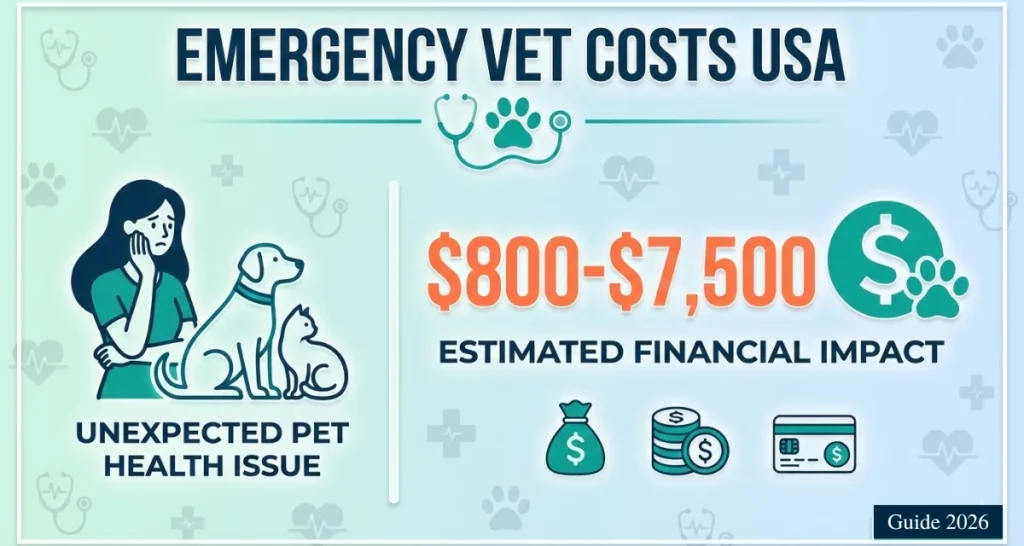
- You can’t afford a $3,000–$10,000 emergency vet bill
- Your dog is a breed prone to expensive health issues
- You want predictable monthly costs instead of surprise expenses
You might skip it if:
- You have $10,000+ saved for pet emergencies
- Your dog is very young with no health issues
- You’re comfortable paying out-of-pocket for vet care
One emergency surgery or cancer diagnosis can cost $5,000–$15,000. Insurance turns that into manageable monthly payments and a deductible.
According to data from the North American Pet Health Insurance Association, claims for cancer treatment, cruciate ligament injuries, and gastrointestinal issues are among the most common and expensive, often exceeding $3,000–$8,000 per incident.
Comparing Top Dog Insurance Providers (2026)
Before choosing a plan, compare at least three providers. Here’s what to check:
Coverage options: Does it cover hereditary conditions, chronic illnesses, and emergency care?
Reimbursement speed: How fast do they process claims? Most top companies pay within 5–15 days.
Customer reviews: Check Trustpilot or the Better Business Bureau for real customer experiences.
Exclusions: What won’t they cover? All plans exclude pre-existing conditions, but some also exclude breed-specific issues.
Waiting periods: Most plans have 2–14 day waiting periods for illness coverage and 6 months for orthopedic issues.
Get quotes from at least three companies. Monthly costs can vary by 30–50% for the same coverage.
What Dog Insurance Actually Covers
Understanding what’s included helps you avoid surprises:
Covered:
- Accidents (broken bones, poisoning, cuts)
- Illnesses (infections, cancer, diabetes)
- Hereditary and congenital conditions (hip dysplasia, heart defects)
- Emergency care and hospitalization
- Surgery and diagnostic tests
- Prescription medications
Not covered:
- Pre-existing conditions (anything diagnosed before enrollment)
- Routine care (unless you add a wellness rider)
- Elective procedures (cosmetic surgery, tail docking)
- Breeding costs
Some conditions like cruciate ligament injuries have waiting periods of 6–12 months after enrollment.
When to Enroll Your Dog in Insurance
The best time is now—if your dog is healthy.
Pre-existing conditions are never covered. If your dog develops hip dysplasia, then you buy insurance, that condition won’t be covered. Any related treatments will come out of your pocket.
Ideal enrollment window: Between 8 weeks and 2 years old. You’ll get the lowest rates and full coverage before health issues develop.
If your dog is older or has health issues, you can still enroll. But expect higher premiums and exclusions for existing conditions.
For more guidance on keeping your dog healthy and avoiding costly vet visits, check out our complete pet care guide.
Understanding Deductibles and Reimbursement
These two settings control your out-of-pocket costs:
Deductible: The amount you pay before insurance kicks in. If you have a $500 deductible and a $2,000 vet bill, you pay $500 first.
Reimbursement rate: The percentage the insurance pays after your deductible. With 80% reimbursement on that $2,000 bill, insurance pays $1,200 (80% of $1,500 after your $500 deductible). You pay $800 total.
Higher deductibles and lower reimbursement rates reduce monthly premiums but increase costs when you file a claim.
Dog Insurance vs. Emergency Savings
Some pet owners skip insurance and save money instead. Here’s the math:
If you pay $60/month for insurance, that’s $720 per year. Over five years, you’ll spend $3,600 in premiums (not counting deductibles).
If you save $60/month instead, you’ll have $3,600 in five years—but only if you don’t touch it.
Insurance wins if:
- Your dog has a major health issue in year one or two
- You can’t save consistently
- You want protection from catastrophic costs ($10,000+ bills)
Savings wins if:
- You have strong financial discipline
- Your dog stays healthy for years
- You’re comfortable with financial risk
Many owners do both: carry insurance with a high deductible and save for smaller expenses.
Common Dog Health Issues and Their Costs
Knowing what could happen helps you decide on coverage:
- Cruciate ligament tear (knee injury): $3,000–$5,000
- Cancer treatment: $5,000–$15,000+
- Bloat (GDV) emergency surgery: $2,000–$5,000
- Hip dysplasia surgery: $3,500–$7,000
- Foreign body removal: $1,500–$4,000
- Chronic ear infections: $1,000–$2,500 annually
Just one of these conditions can exceed years of insurance premiums.
If your dog develops something like a ear hematoma, treatment costs can add up quickly—making insurance a valuable safety net.
Keeping Your Dog Healthy Reduces Long-Term Costs
Prevention is always cheaper than treatment. Here’s how to reduce vet bills:
Stay current on vaccinations. Preventable diseases are expensive to treat. Follow the recommended pet vaccination schedule to avoid costly infections.
Maintain a healthy weight. Obesity leads to diabetes, joint problems, and heart disease—all expensive to manage.
Brush teeth regularly. Dental disease affects 80% of dogs over age three and can lead to $500–$1,500 cleanings under anesthesia.
Exercise daily. Active dogs have fewer behavioral and health problems.
Schedule annual checkups. Catching problems early saves money and improves outcomes.
The American Veterinary Medical Association recommends annual wellness exams for adult dogs and twice-yearly exams for seniors to catch health issues before they become expensive emergencies.
People Also Ask
How much is dog insurance per month for a puppy?
Puppy insurance costs $25–$50 per month on average. Younger dogs have lower premiums because they’re less likely to have health issues. Rates increase as your dog ages.
Does dog insurance cost increase with age?
Yes. Most insurers raise premiums as your dog gets older, typically starting around age 6–7. Expect increases of 10–20% every few years as your dog ages.
What’s the cheapest dog insurance?
Accident-only plans are the cheapest, starting at $10–$20 monthly. For accident and illness coverage, expect to pay $35–$50 for mixed breed dogs in low-cost states.
Is dog insurance tax deductible?
No. Pet insurance is not tax deductible for personal pets. It may be deductible if your dog is a certified service animal or used for business purposes (like a guard dog for a business).
Can I use any vet with dog insurance?
Most dog insurance plans let you visit any licensed veterinarian, including specialists and emergency clinics. A few companies have network restrictions, so check before enrolling.
Do dog insurance premiums go down?
No. Premiums typically increase over time due to age and rising vet costs. They never decrease, even if your dog stays healthy.
Final Thoughts
Dog insurance costs between $30 and $100 per month in 2026, depending on your dog’s age, breed, location, and the coverage you choose. For most owners, paying $50–$65 monthly provides solid protection against unexpected vet bills that could reach thousands of dollars.
The key is enrolling early, comparing multiple providers, and choosing a deductible and reimbursement level that fits your budget. Insurance won’t cover everything, but it can prevent financial stress when your dog needs expensive emergency care or ongoing treatment.
Ready to protect your dog? Get quotes from at least three insurance companies today. Compare coverage, read the fine print, and choose a plan before your dog develops any health issues. And for more tips on keeping your pet healthy and happy, explore our other guides at petnicki.com.