


Introduction: What Makes an Animal Dangerous?
Not all dangerous animals roar or hiss. Some are silent killers—tiny insects that spread deadly diseases—while others are apex predators that can rip through prey in seconds. What makes an animal “dangerous” isn’t always how it looks. It’s about how many humans it kills, how easily it spreads fatal diseases, or how aggressive it becomes when threatened.
From the familiar (sharks, snakes) to the surprising (snails, deer), danger comes in many forms. This article ranks the 100 most dangerous animals based on data like annual deaths, lethality, venom, and encounter risk. Whether you’re traveling, camping, or just fascinated by the natural world—this is the ultimate list you need to stay informed and safe.
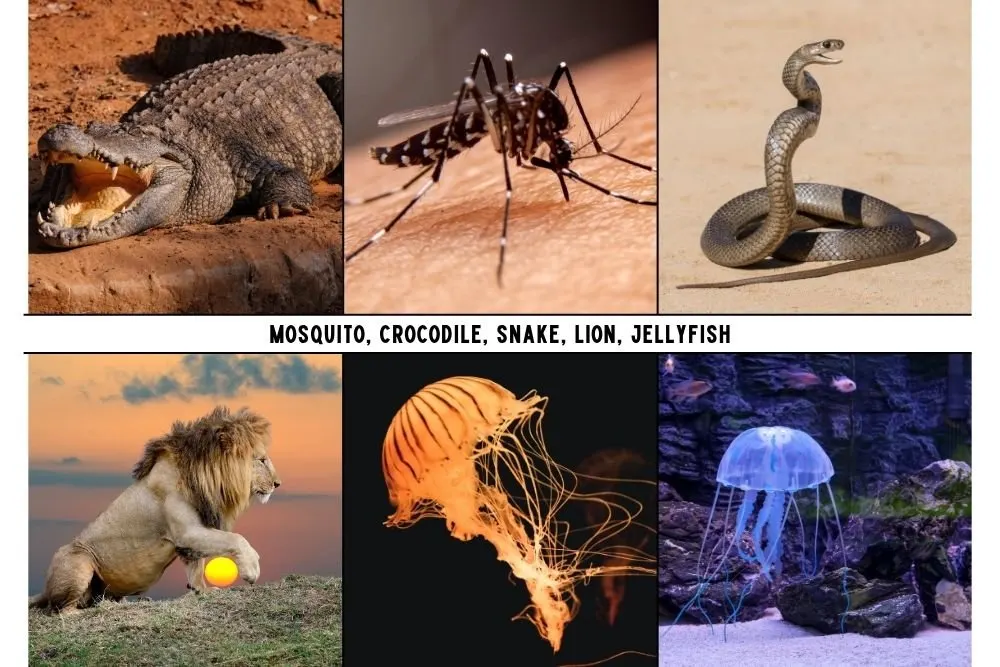
Ranking Criteria for Dangerous Animals
To create this list, we use a mix of scientific data, fatality stats, and ecological insights:
- Annual human fatalities
- Deadliness of venom/toxins
- Aggression toward humans
- Ability to spread disease
- Frequency of human encounters
- Speed, strength, and stealth
Some animals are lethal due to venom. Others kill by spreading illness. A few kill through sheer force. But they all belong here—among nature’s most dangerous.
Top 30 Most Dangerous Animals in the World
1. Mosquito – Kills 700,000+ per year
The deadliest animal on Earth. Tiny but lethal, mosquitoes transmit malaria, dengue, Zika, and yellow fever. They thrive in tropical areas and kill more humans than any predator ever could.
2. Humans – Kills millions through violence & pollution
War, homicide, and environmental destruction make humans the most destructive and dangerous species. We’re a danger to ourselves—and every other species.
3. Snakes – 100,000+ deaths annually
Deadly bites from vipers, cobras, and mambas especially in Asia and Africa. Lack of antivenom access makes snakebites a major killer.
4. Dogs (Stray/Unvaccinated) – 25,000+ deaths via rabies
Infected dogs are the leading source of rabies deaths. Countries with high stray populations suffer the most.
5. Tsetse Fly – Spreads Sleeping Sickness
A major threat in Sub-Saharan Africa. The parasite it transmits attacks the nervous system, leading to death if untreated.
6. Assassin Bug (Kissing Bug) – Spreads Chagas Disease
Found in the Americas, this insect spreads a parasite causing long-term heart and digestive issues. Very dangerous and hard to detect.
7. Freshwater Snail – Spreads Schistosomiasis
Often overlooked, these snails transmit a deadly parasite that infects millions each year in Africa, Asia, and Latin America.
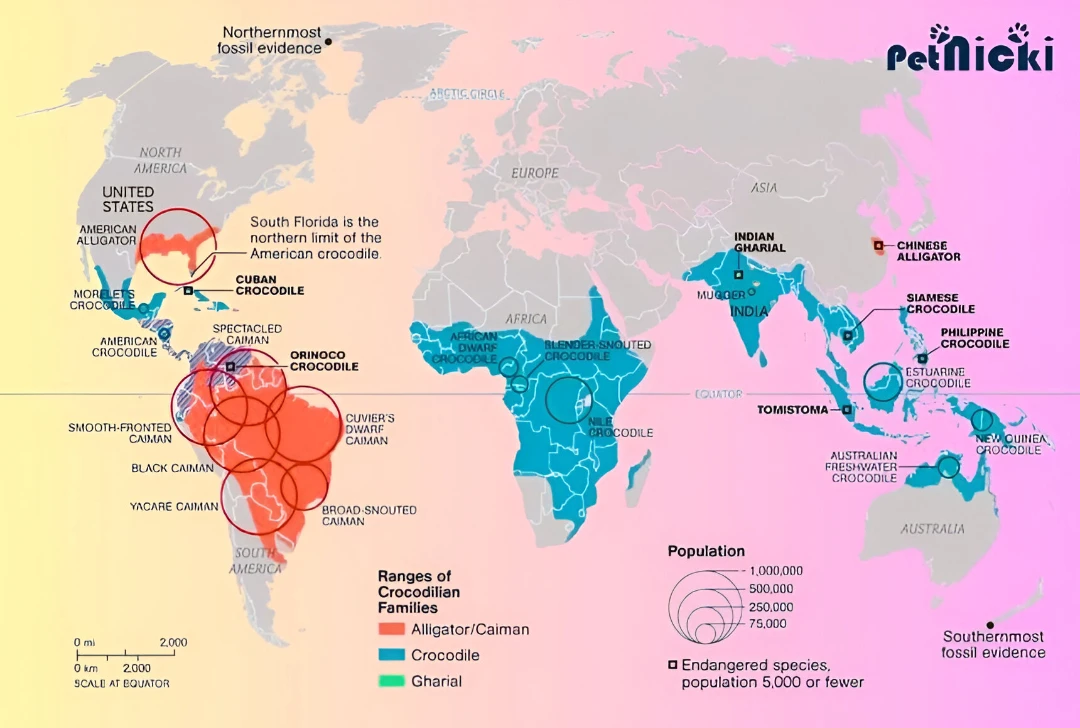
8. Crocodile – Kills 1,000+ per year
The most lethal large predator. Nile and saltwater crocs can sprint, ambush, and crush a human in seconds.
9. Hippopotamus – Kills 500+ per year
Territorial and aggressive, hippos capsize boats and charge without warning. Deadlier than lions.
10. Elephant – Kills 500+ per year
Majestic but unpredictable. Human-wildlife conflicts in Asia and Africa lead to deadly elephant encounters.
11. Box Jellyfish
A marine killer. Transparent and hard to spot, its sting can stop your heart in under 5 minutes.
12. Sharks
Shark attacks are rare, but fatal. Bull sharks and great whites are the most dangerous to swimmers and surfers.
13. Cape Buffalo
Unpredictable and powerful, they gore more hunters than lions in Africa.
14. Lions
They kill about 200 people per year in Africa, usually in villages near reserves.
15. Scorpions
The deathstalker scorpion can kill children with one sting. Found in deserts and arid areas. Most scorpion species are not dangerous to people, though; only a small minority carry medically significant venom, and our guide to scorpion types, anatomy and behavior covers how they differ.
16. Pufferfish
Contains tetrodotoxin—1,200 times more poisonous than cyanide. Deadly if eaten improperly.
17. Cone Snail
Pretty but poisonous. One sting from this sea snail can paralyze you in minutes.
18. Komodo Dragon
Its saliva carries toxic bacteria. One bite leads to blood poisoning and death if untreated.
19. Blue-Ringed Octopus
Tiny but toxic. There’s no antivenom. Paralysis sets in fast, even before you feel pain.
20. Polar Bear
Not afraid of humans. In the Arctic, they’ll track and attack when hungry.
Other Lethal Creatures You Should Know
- Wolves – Rare, but can attack in packs when desperate
- Tigers – Stealthy and lethal in parts of India and Russia
- Leopards – Kill humans in rural India when food is scarce
- Wolverines – Aggressive and fearless in the wild
- Jellyfish (Irukandji) – Causes severe pain and can be fatal
- Bees (Africanized “Killer” Bees) – Swarm and sting repeatedly
- Ants (Driver Ants, Fire Ants) – Attack in colonies; painful stings
- Wasps – Stings can cause fatal allergic reactions
- Fleas – Carried the plague; still transmit deadly diseases
- Rodents (Rats) – Spread hantavirus, leptospirosis, plague
Full List of the Top 100 Most Dangerous Animals
| Rank | Animal | Region |
|---|---|---|
| 31 | Deer | North America |
| 32 | Kangaroo | Australia |
| 33 | Wolverine | Arctic Regions |
| 34 | Cassowary | Australia/Papua New Guinea |
| 35 | Hyena | Africa |
| 36 | Golden Poison Dart Frog | South America |
| 37 | Stonefish | Indo-Pacific |
| 38 | Tiger Shark | Global |
| 39 | Great White Shark | Global |
| 40 | Honey Badger | Africa |
| 41 | Bengal Tiger | Strong, fast, and stealthy predator |
| 42 | Brown Bear | Unpredictable, especially when with cubs |
| 43 | Black Mamba | Fast, aggressive, and extremely venomous |
| 44 | Indian Cobra | Common in rural Asia, deadly bite |
| 45 | Inland Taipan | Most venomous snake in the world |
| 46 | Coral Snake | Bright colors, deadly neurotoxic venom |
| 47 | Boomslang | Venom causes internal bleeding |
| 48 | Deathstalker Scorpion | Small, but highly toxic sting |
| 49 | Tarantula Hawk Wasp | Painful sting, aggressive defense |
| 50 | Gila Monster | Venomous lizard found in the U.S. |
| 51 | Anaconda | Constrictor snake, suffocates prey |
| 52 | Reticulated Python | Can kill and swallow humans |
| 53 | Piranha | Razor-sharp teeth, deadly in feeding frenzies |
| 54 | Electric Eel | Shocks up to 600 volts, can kill by drowning |
| 55 | Bull Shark | Swims in both salt and freshwater |
| 56 | Great Horned Owl | Can attack humans when nesting |
| 57 | Snow Leopard | Solitary but powerful mountain hunter |
| 58 | Cougar (Mountain Lion) | Stealth hunter, attacks in North America |
| 59 | Cheetah | Rarely attacks but lethal when threatened |
| 60 | Wild Boar | Charges with tusks, highly aggressive |
| 61 | Tasmanian Devil | Extremely strong jaw force for its size |
| 62 | Platypus | Males have venomous spurs |
| 63 | Lynx | Agile and territorial predator |
| 64 | Harpy Eagle | Powerful talons and dive attacks |
| 65 | Ostrich | Kicks strong enough to kill |
| 66 | Emu | Defensive and unpredictable |
| 67 | Raccoon | Rabies vector, aggressive when cornered |
| 68 | Skunk | Can cause temporary blindness |
| 69 | Chimpanzee | Strong, aggressive, especially in captivity |
| 70 | Gorilla | Can kill if feeling threatened |
| 71 | Wildcat | Small but dangerous to livestock and pets |
| 72 | Sea Snake | More venomous than land snakes |
| 73 | Moray Eel | Bites can lead to infection |
| 74 | Stonefish | Venomous spines, painful and fatal |
| 75 | Lionfish | Venomous rays, can cause paralysis |
| 76 | Jellyfish (Portuguese Man-of-War) | Stings can be fatal |
| 77 | Warthog | Aggressive and charges with tusks |
| 78 | Spitting Cobra | Sprays venom into eyes |
| 79 | Vultures | Spread bacteria near carrion |
| 80 | Antelope | Can cause injuries in panic stampedes |
| 81 | Yak | Attacks humans in Himalayan regions |
| 82 | Ibex | Mountain goat with sharp horns |
| 83 | Musk Ox | Powerful charges in Arctic zones |
| 84 | Moose | Huge, can trample or flip cars |
| 85 | Tapir | Large herbivore with unpredictable behavior |
| 86 | Lemming | Mass migrations cause environmental damage |
| 87 | Crabeater Seal | Sharp teeth, very territorial |
| 88 | Leopard Seal | Has attacked divers and penguins |
| 89 | Sea Lion | Aggressive during breeding season |
| 90 | Walrus | Tusks can pierce a boat hull |
| 91 | Octopus (Giant Pacific) | Intelligent, strong, can drown humans |
| 92 | Sea Urchin | Poisonous spines cause intense pain |
| 93 | Hyacinth Macaw | Powerful beak can crush bones |
| 94 | Giant Anteater | Strong claws, surprisingly aggressive |
| 95 | Sloth Bear | Highly aggressive, causes facial maulings |
| 96 | Pangolin | Can carry zoonotic diseases |
| 97 | Horses | Strong kick can be fatal |
| 98 | Donkeys | Known for powerful bite and kicks |
| 99 | Camels | Can trample or bite when agitated |
| 100 | Africanized Honey Bee | Swarms and chases targets for miles |
Why Cute-Looking Animals Can Also Kill You
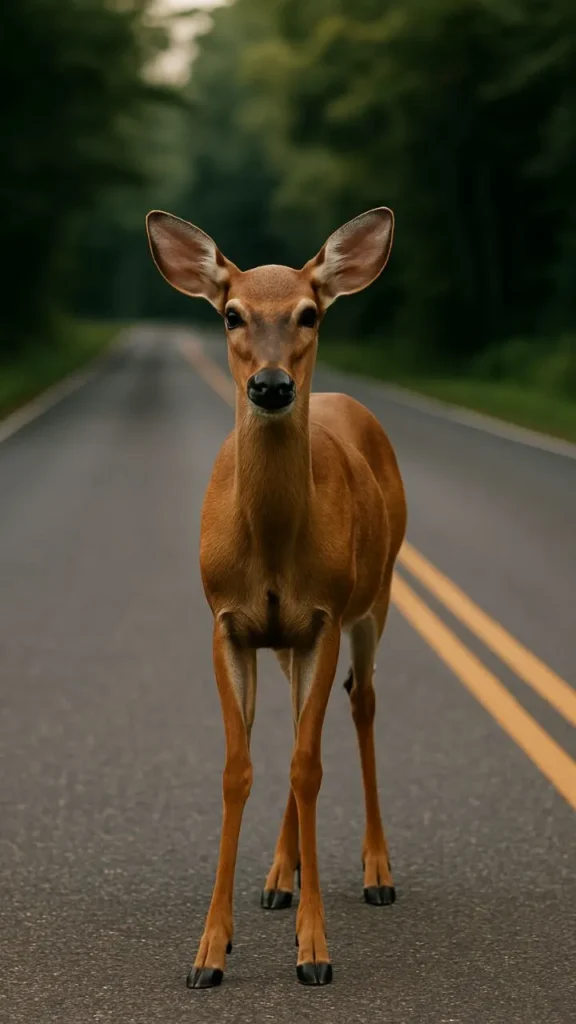
You wouldn’t expect it, but animals like deer, dolphins, and even swans make this list. Here’s why:
- Deer – Cause more human deaths in the U.S. than bears, due to car crashes.
- Dolphins – Can become aggressive, and have caused fatal injuries.
- Swans – Extremely territorial and known to drown intruders.
- Elephants – Their intelligence doesn’t stop them from attacking villages.
Where Are the Most Dangerous Animals Found?
| Region | Deadliest Animals Found There |
|---|---|
| Africa | Mosquito, Hippo, Crocodile, Lion |
| Asia | Cobra, Elephant, Tigers, Dogs |
| Australia | Box Jellyfish, Funnel-web spider, Blue Octopus |
| North America | Bears, Cougars, Deer, Wolves |
| South America | Piranhas, Assassin Bug, Poison Frogs |
FAQs
What’s the #1 most dangerous animal?
The mosquito, due to disease transmission, kills over 700,000 people every year.
Which country has the deadliest animals?
Australia leads with venomous snakes, spiders, and sea creatures.
Are hippos more dangerous than lions?
Yes. Hippos kill more people annually and are more territorial and unpredictable.
Can humans be classified as dangerous animals?
Absolutely. Humans top the list due to war, pollution, and violence.
Final Thoughts: Coexisting with Nature’s Killers
Surviving among dangerous animals is about respect, education, and awareness. Most creatures don’t hunt humans for sport; they react when threatened or disturbed. Learning about them is the first step to coexistence, conservation, and safety.
Whether you’re trekking the jungle or planning a beach holiday, keep this list in mind. After all, knowing your enemy even if it’s a mosquito can save your life.


